Upcoming Episodes!
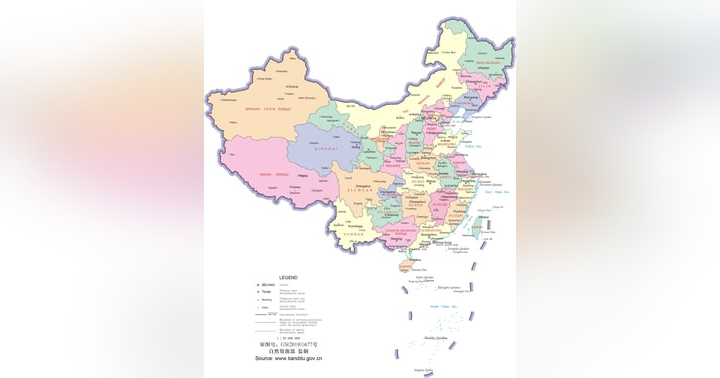
Episode 208 - "Cash My Check" (coming April 1!): Mike walks us through the complex situation in China in the aftermath of World War II, with armed Japanese operating in the country, Soviet forces occupying Manchuria, and the Nationalist and Communist Chinese resuming their civil war with one another. The decisive phase of the civil war ensues, culminating in the Communist takeover of mainland China and the Nationalist retreat to Taiwan. Marshall then leads our discussion of the efforts of American leaders, including President Truman and Secretaries of State George C. Marshall and Dean Acheson, to determine a way forward in their China policy while Madame Chiang and General Claire Chennault lobby for continued support to the corrupt Nationalist regime of Chiang Kai-shek — whose constant demands for more American aid earn him the derisive nickname “Cash My Check.”
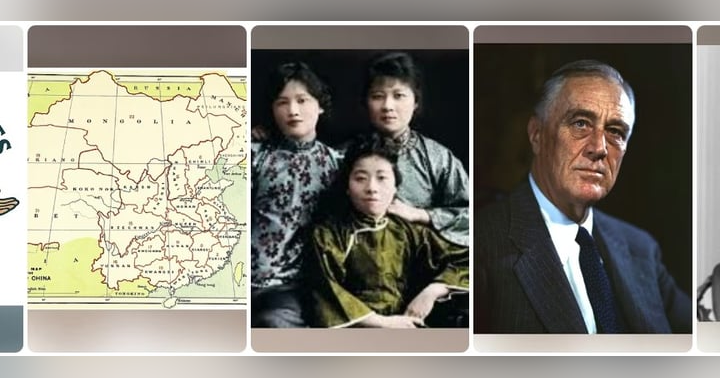
Episode 209 (coming April 15!): Marshall, Blake, and Mike engage in a wide-ranging discussion of American policy disputes over what to do about China after World War II. President Truman, Secretaries of State George C. Marshall and Dean Acheson, Madame Chiang and her family, General Claire Chennault, Joseph Stalin, Mao Zedong, the CIA, the domino theory, the American idea of monolithic “international communism,” and anti-colonial nationalist movements in Southeast Asia all play roles as Marshall lays out three options U.S. policymakers debated between 1945 and 1950: Should the United States follow the advice of the “China hands” by turning its back on the corrupt Nationalist government of the Republic of China under Chiang Kai-shek and instead recognize the Communist government of the People’s Republic of China as China’s legitimate government? Or should America take the view of policy realists that China had little strategic value to the United States and was a sociopolitical mess not worth being involved in? Or should America do what the “China lobby” — the supporters of Chiang Kai-shek — wanted and go all in with continued support to Chiang? When Communist Chinese “volunteers” intervene in the Korean War in 1950, the American idea that Communism is monolithic solidifies, leading to consequences in the United States that, ironically, give events in China far more influence over the United States than America ever had in China.
YouTube Shorts!