The United States of Amnesia
Welcome to The United States of Amnesia, where yesterday's history meets today's realities.
History, politics, and religion are full of forgotten lessons, misunderstood events, and stories shaped by myth and bias. But the past never stays buried. Its ideas, conflicts, and consequences continue to shape the world we live in, often in ways we fail to recognize.
We look beyond familiar narratives to examine what happened, why it matters, and what we might be missing. Because understanding where we've been is essential to understanding where we are, and where we may be headed.
The past isn't past. It's still making history.
History, politics, and religion are full of forgotten lessons, misunderstood events, and stories shaped by myth and bias. But the past never stays buried. Its ideas, conflicts, and consequences continue to shape the world we live in, often in ways we fail to recognize.
We look beyond familiar narratives to examine what happened, why it matters, and what we might be missing. Because understanding where we've been is essential to understanding where we are, and where we may be headed.
The past isn't past. It's still making history.
 Spotify
  Amazon Music
  Apple Podcasts
  YouTube
The United States of Amnesia
Welcome to The United States of Amnesia, where yesterday's history meets today's realities.
History, politics, and religion are full of forgotten lessons, misunderstood events, and stories shaped by myth and bias. But the past never stays buried. Its ideas, conflicts, and consequences continue to shape the world we live in, often in ways we fail to recognize.
We look beyond familiar narratives to examine what happened, why it matters, and what we might be missing. Because understanding where we've been is essential to understanding where we are, and where we may be headed.
New episode every other Wednesday.
Recent
Oct. 24, 2026
Why Did Lincoln Hire His Adversaries? #history #clips #shorts
Abraham Lincoln did something modern leaders could learn from: he brought his political rivals into his own cabinet. Rather than surround himself with people who already agreed with him, Lincoln appointed former opponents like William H. Seward to help lead a nation on the brink of civil war. Does surrounding yourself with opposing viewpoints make you a stronger leader, or does it invite conflict? History has a way of challenging what we think we know about leadership, politics, and power. Pa
Oct. 21, 2026
The Government's Role in Building American Prosperity #shorts #history #clips
Industrialists built fortunes, but who built the economic foundations that made those fortunes possible? America's19th century transformation involved more than individual ambition. Federal policy, transportation networks, access to land, and education all helped shape the national economy. The argument over government's role in prosperity didn't end with Lincoln. It remains one of America's defining debates. What does a prosperous America mean to you? www.usofamnesia.com #podcast #governme
Oct. 18, 2026
Did the Founding Fathers Trust the Voters? #shorts #history
The Founders designed a government where the states had far more power, and ordinary voters had far less direct influence, than we might expect today. Senators were chosen by state legislatures, and presidential electors were meant to exercise their own judgment. The idea was to keep the will of the people in check. How much of that original vision can we see in American government today? #USHistory #AmericanHistory #Founders #USGovernment #Politics

Oct. 14, 2026
"Redacted No More" by Sharon Bibee on Substack
Sharon Bibee joins us for our latest series, "The U.S. and Iran: What Went Wrong." For more from Sharon, read her column, "Redacted No More," in which she explores history, politics, travel, culture, and whatever else sparks her curiosity. You can …
Oct. 14, 2026
Upcoming Episodes!
Episode 503: "The Road to Victory" (coming October 28!) With World WarII raging, Mohammed Reza Shah seeks to curry favor with the United States as a counterweight to the British and Soviets. But when the Axis powers invade the Soviet Union in June 1…
2
Oct. 14, 2026
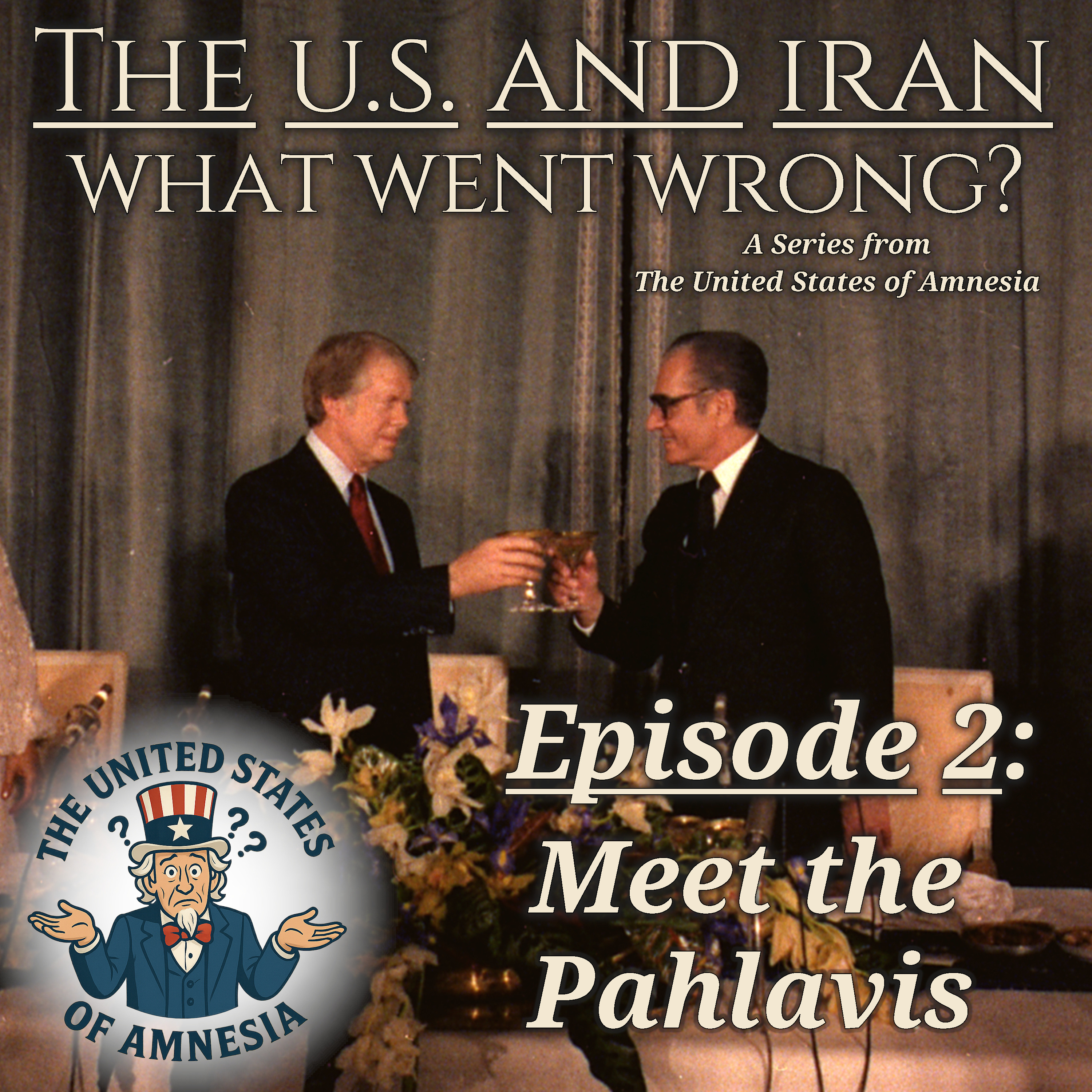
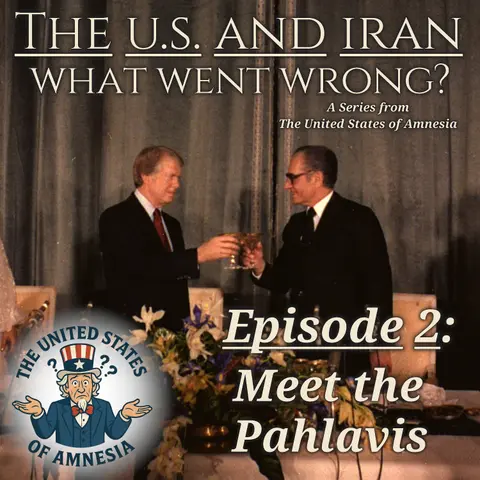
The U.S. And Iran: What Went Wrong? - Meet the Pahlavis
Can a nation modernize and reclaim its independence when powerful foreign empires are determined to keep it within their grasp? Between 1920 and 1941, Iran's attempt to forge its own future collides with the ambitions of Britain, the Soviet Union, and the upheaval of World War II. Reza Pahlavi rises to power as Reza Shah, founding the Pahlavi dynasty and launching an ambitious campaign to transform Iran, inspired in part by Mustafa Kemal Atatürk's modernization of Turkey. But strengthening hi
Oct. 13, 2026
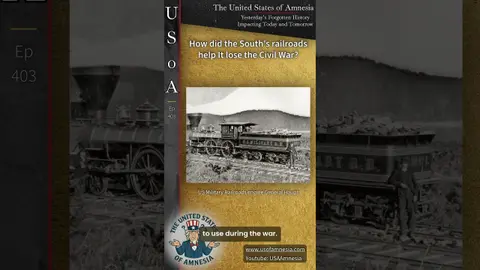
How the South's Priorities Backfired #shorts #history #civilwar
We often debate the role of government in building infrastructure and connecting the country, and these arguments are nothing new. Before the Civil War, Henry Clay and John Quincy Adams advocated for national investment in transportation and economic development. The South, meanwhile, built much of its railroad network around getting cotton to port. When war came, those priorities became a serious liability. How did a debate over the nation's future help shape the outcome of the Civil War? Expl
Oct. 12, 2026
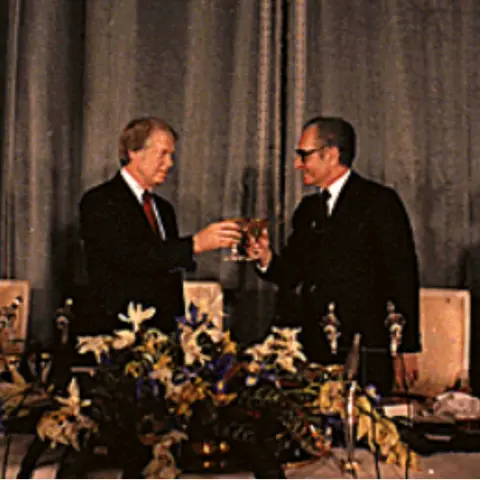
Image Gallery for "The U.S. and Iran: What Went Wrong?"
This gallery of photos, maps, and other images add to our "The U.S. and Iran: What Went Wrong?" audio series about how America's relations with Iran – where the United States once was viewed as a refreshing alternative to predatory imperial powers a…
Join Our Mailing List!
Never miss a new episode again!
Listen On