Image Gallery for "Internal Improvements"
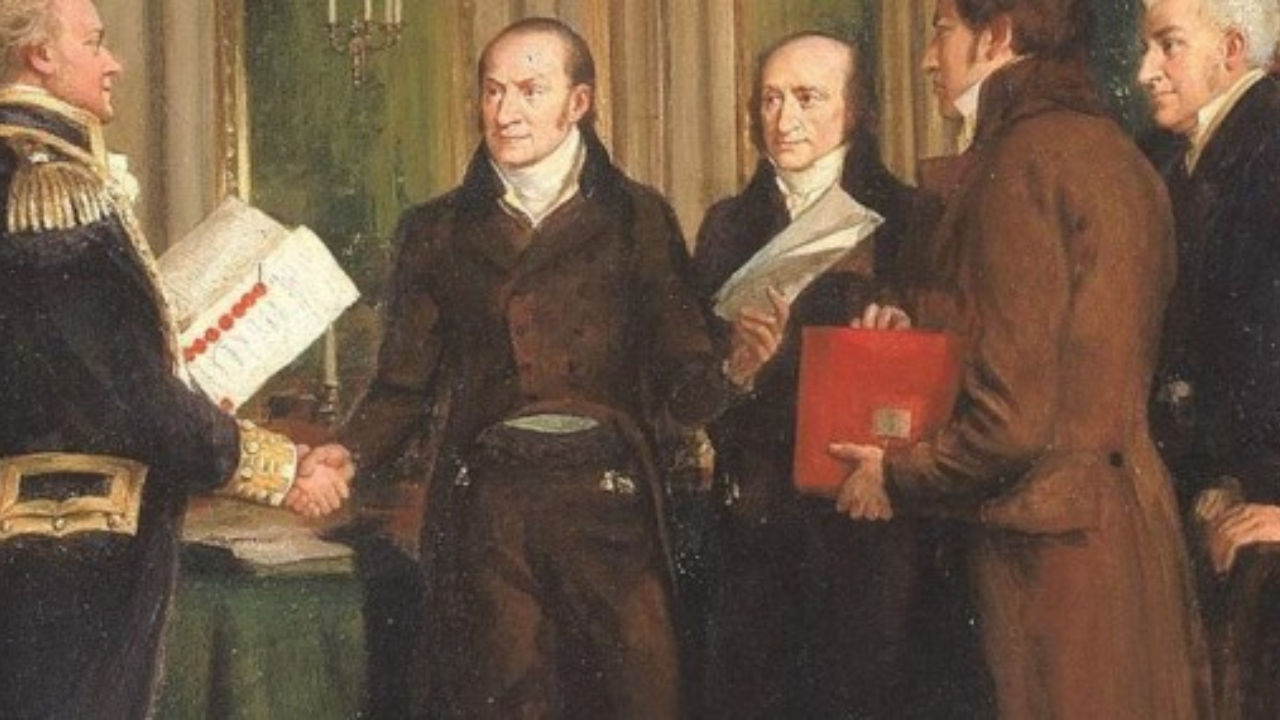
This gallery of photos, maps, and other images add to our "Internal Improvements" audio series about America's struggles in the first half of the 19th century to give the United States government the power to develop infrastructure and create a stable financial and currency system, the opposition of Southern slaveholders to grant such powers to the government, and Abraham Lincoln's signifcant achievements in these areas. We expand the gallery as the series continues – and sometimes after it has concluded – and add links to episodes as they drop. So check back here from time to time, follow along in the gallery as you listen to the series, and enjoy a more immersive experience as you get better acquainted with the people, events, and locales we discuss.
NOTE: All images are in the public domain unless otherwise indicated.
******
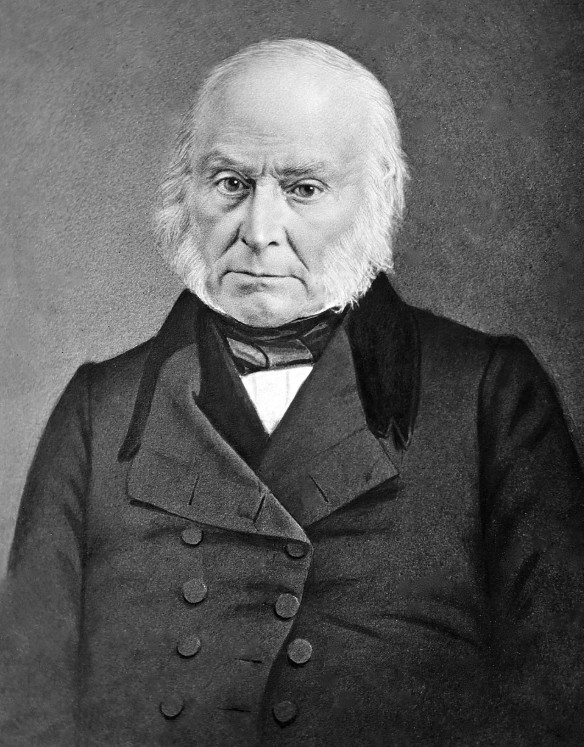
John Quincy Adams (1767–1848) was President of the United States from 1825 to 1829. He proposed a program of "internal improvements" to improve America's infastructure. He wanted to develop transportation networks, etablish universities and astronomical observatories, and create the United States Naval Academy. (Episode 401: Internal Improvements – The American System and Episode 402: By the Eternal!)
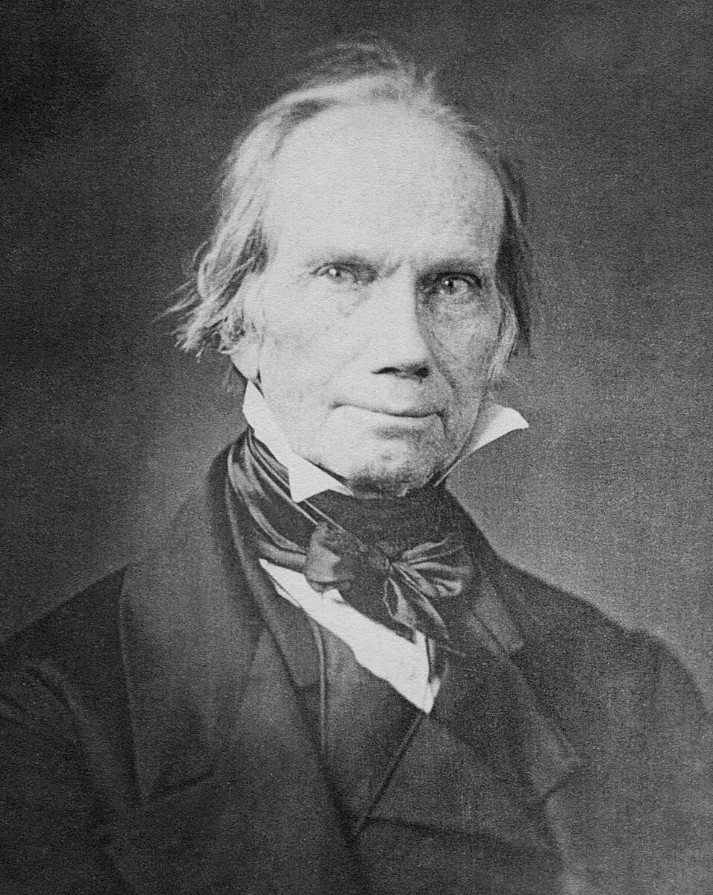
Henry Clay (1777–1852), who served as secretary of state in Adams's administration, also favored a major federal role in infratsructure development. He called his version the "American System."(Episode 401: Internal Improvements – The American System and Episode 402: By the Eternal!)
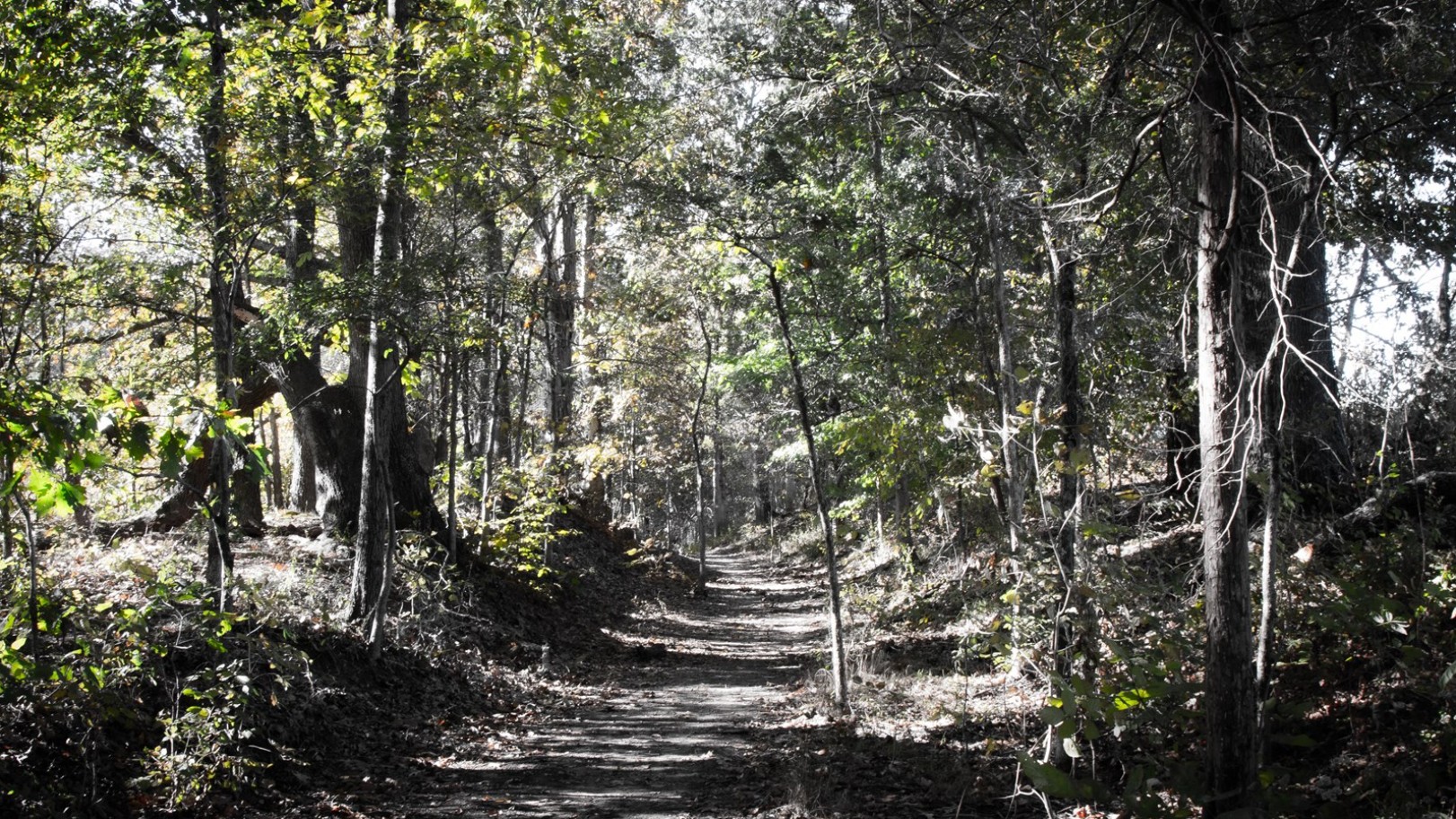
Roads in the early United States were so poor that states even allowed tree stumps in them. (Episode 401: Internal Improvements – The American System)
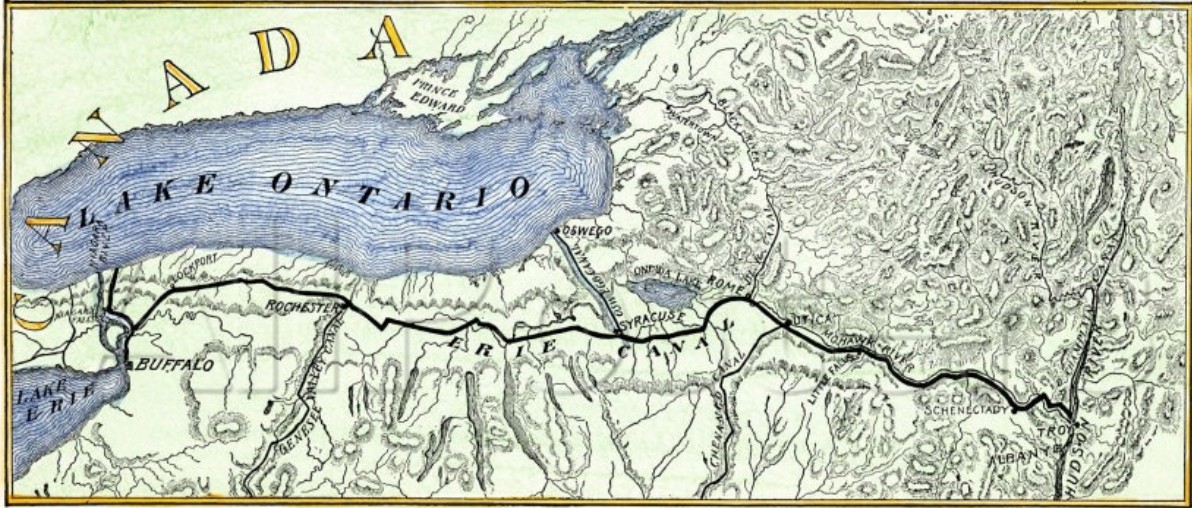
When it opened in 1825, the Erie Canal revolutionized the transportation of passengers and cargo between the American Midwest — known at the time as the "West" — and New York City, making it far quicker and cheaper than before. It was New York state project, and Adams and Clay hoped that the federal government could emulate New York's success on a national scale. (401 Internal Improvements – The American System)
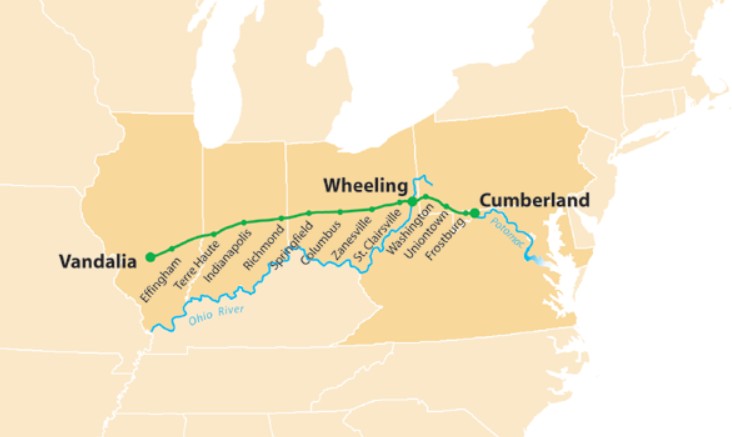
The National Road, or Cumberland Road, was constructed between 1811 and 1839and was the United States's first great federally financed highway. It served as a proof-of-concept for national‑scale internal improvements in the United States. (Attribution: Citynoise. Licensed under the Creative Commons Attribution-Share Alike 2.5 Generic license.) (Episode 401: Internal Improvements – The American System)
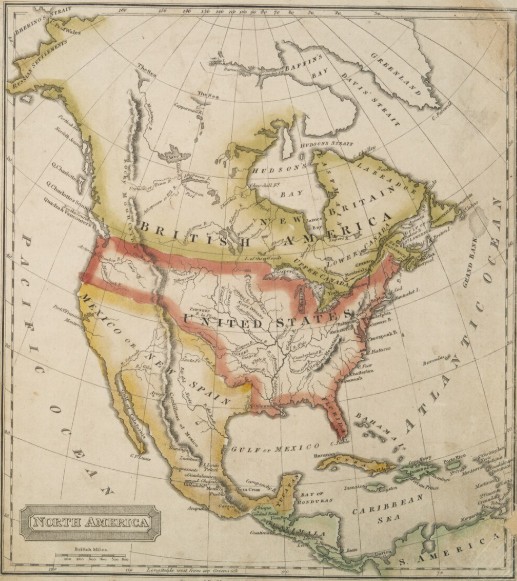
North America, ca.1822. Advocates of a U.S. national program to improve transportation saw it partly as a matter of national security because the United States had lengthy borders with potentially hostile powers. What is now Canada was British North America until 1867, and much of what is now the western United States was a part of Mexico, which gained independence from Spain in 1821. (Episode 401: Internal Improvements – The American System)

"Redacted No More" by Sharon Bibee on Substack