
Videos
Shorts, excerpts, and more from our Youtube channel.

Oct. 24, 2026
Why Did Lincoln Hire His Adversaries? #history #clips #shorts
Abraham Lincoln did something modern leaders could learn from: he brought his political rivals into his own cabinet. Rather than surround himself with people who already agreed with him, Lincoln appointed former opponents like William H. Seward to help lead a nation on the brink of civil war. Does surrounding yourself with opposing viewpoints make you a stronger leader, or does it invite conflict? History has a way of challenging what we think we know about leadership, politics, and power. Part of our 'Internal Improvements' series from The United States of Amnesia. Would you rather have advisers who challenge you or colleagues who agree with you? Tell us why in the comments.

Oct. 21, 2026
The Government's Role in Building American Prosperity #shorts #history #clips
Industrialists built fortunes, but who built the economic foundations that made those fortunes possible? America's19th century transformation involved more than individual ambition. Federal policy, transportation networks, access to land, and education all helped shape the national economy. The argument over government's role in prosperity didn't end with Lincoln. It remains one of America's defining debates. What does a prosperous America mean to you? www.usofamnesia.com #podcast #government #lincoln #politics

Oct. 18, 2026
Did the Founding Fathers Trust the Voters? #shorts #history
The Founders designed a government where the states had far more power, and ordinary voters had far less direct influence, than we might expect today. Senators were chosen by state legislatures, and presidential electors were meant to exercise their own judgment. The idea was to keep the will of the people in check. How much of that original vision can we see in American government today? #USHistory #AmericanHistory #Founders #USGovernment #Politics
Oct. 13, 2026
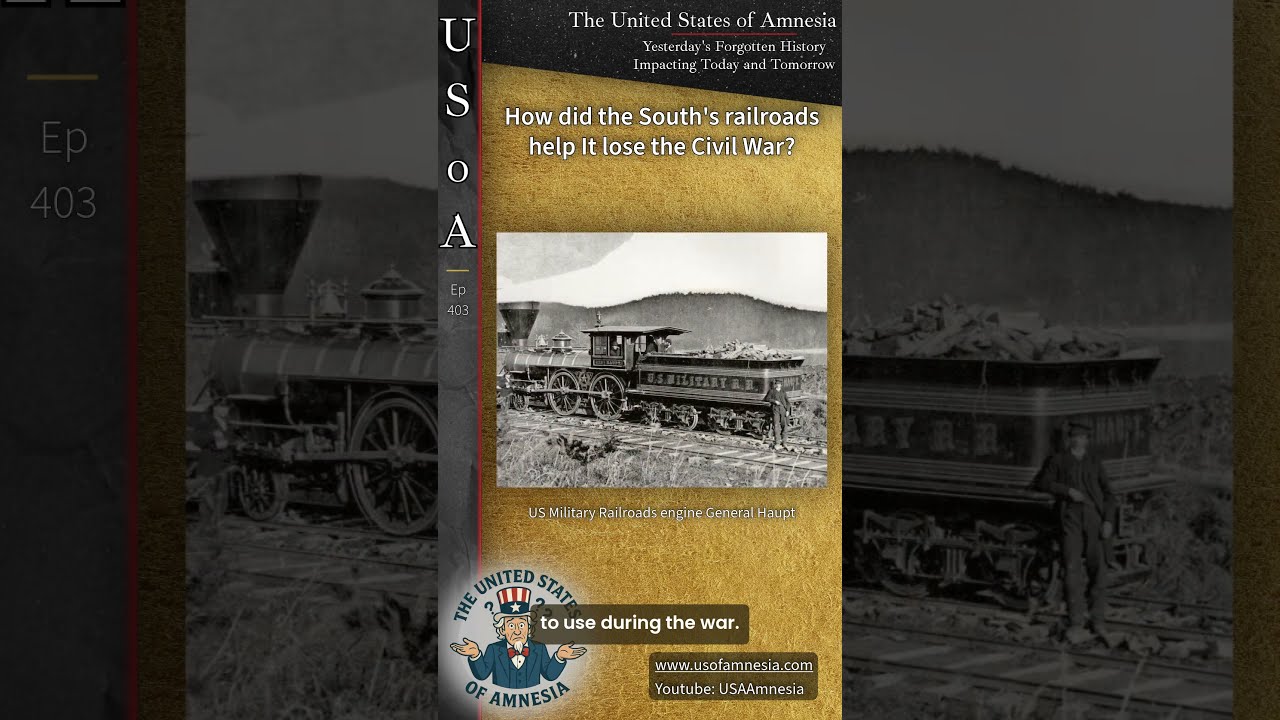
How the South's Priorities Backfired #shorts #history #civilwar
We often debate the role of government in building infrastructure and connecting the country, and these arguments are nothing new. Before the Civil War, Henry Clay and John Quincy Adams advocated for national investment in transportation and economic development. The South, meanwhile, built much of its railroad network around getting cotton to port. When war came, those priorities became a serious liability. How did a debate over the nation's future help shape the outcome of the Civil War? Explore the history behind today's assumptions on The United States of Amnesia. #railroad #trains #americanhistory #usoa

Oct. 12, 2026
"In God We Trust" Isn't as Old as You Think! #history #shorts #usoa
“In God We Trust” is not an ancient American tradition. It first appeared on U.S. currency during the Civil War, when some Christians interpreted the conflict as divine punishment for the nation’s lack of faith. Nearly a century later, during the Cold War and the Red Scare, it became the official motto of the United States. How did a phrase shaped by the Civil War become a national symbol in the fight against communism? And what does that history tell us about the assumptions we project onto America’s past? Our podcast series, 'A Christian Nation?' examines the history behind the symbols, slogans, and religious traditions we often take for granted. Visit our website for more: www.usofamnesia.com #history #usoa #americanhistory #christiannation #coldwar
Oct. 11, 2026
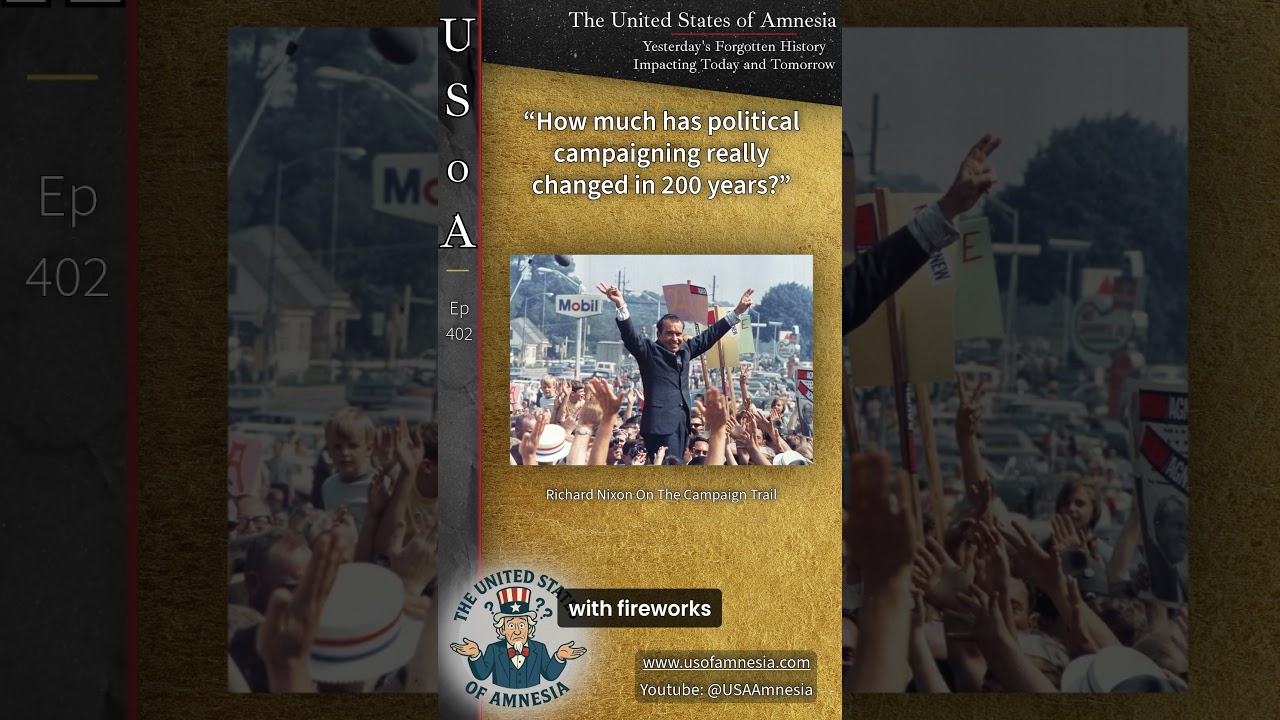
Are You Voting for a Politician or Buying a Product? #history #usoa
Catchy slogans. Political spectacle. Candidates marketed like consumer products. From Andrew Jackson's era to JFK's campaign trail, American politicians have long relied on image, emotion, and memorable slogans to win voters. So how much has political campaigning really changed? Do we see any patterns continuing today? #AmericanHistory #USHistory #Politics #PoliticalHistory
Oct. 10, 2026
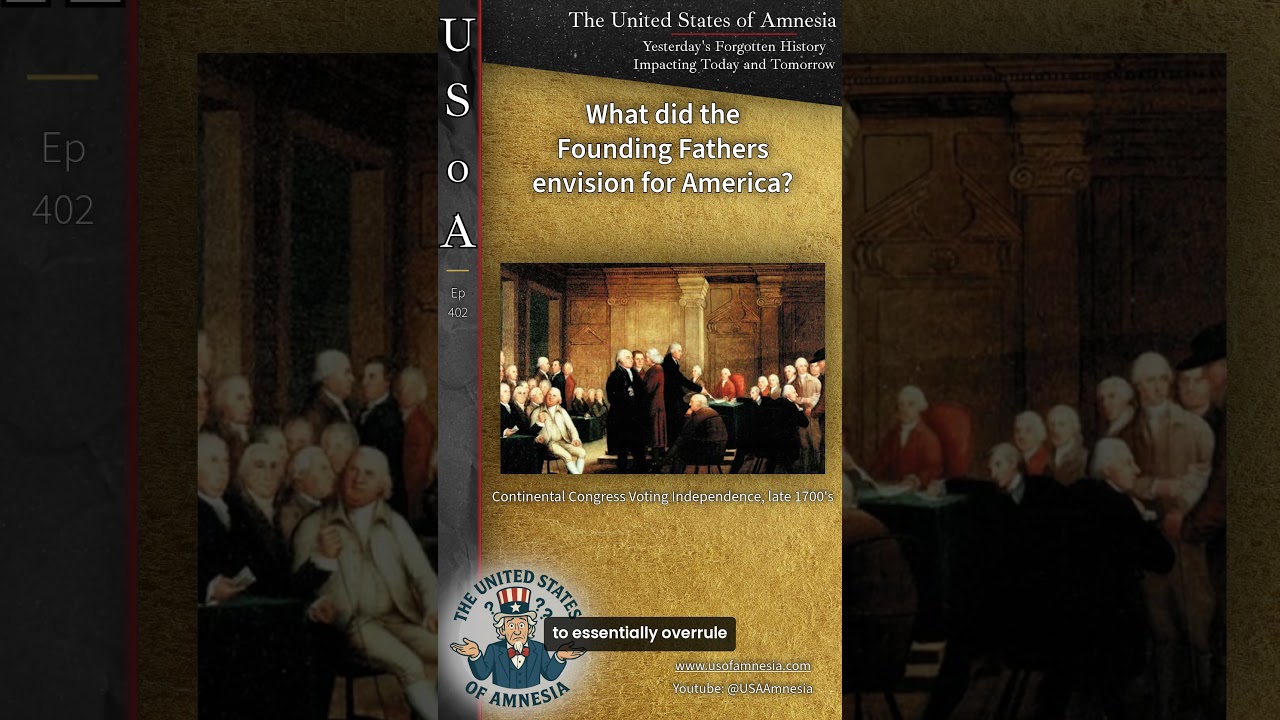
The Founding Fathers Didn't Trust the Voters? #shorts #history
The Founders designed a government where the states had far more power, and ordinary voters had far less direct influence, than we might expect today. Senators were chosen by state legislatures, and presidential electors were meant to exercise their own judgment. The idea was to keep the will of the people in check. How much of that original vision can we see in American government today? #USHistory #AmericanHistory #Founders #USGovernment #Politics
Oct. 9, 2026
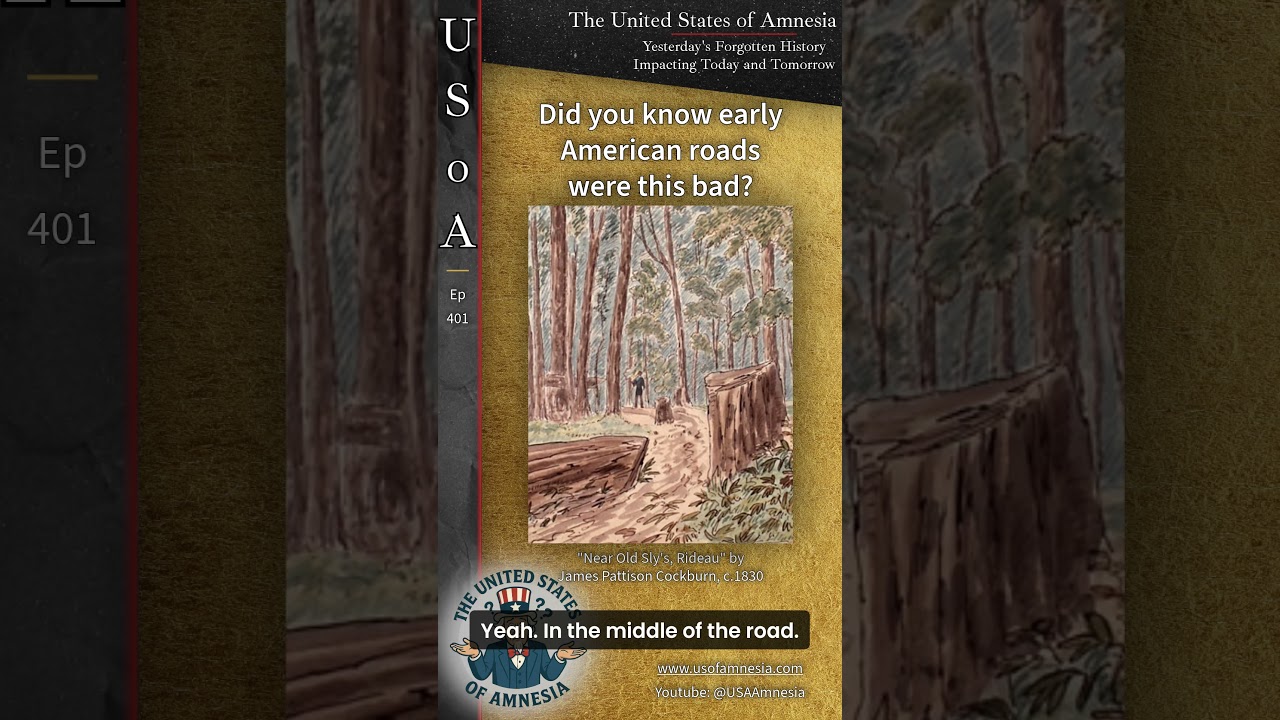
Early American Roads Were How Bad? #history #usoa #podcast
In the early 1800's, moving goods across the United States was much harder than today. Railroads didn't really exist, waterways were limited, and roads were barely considered roads by today's standards. America was politically united, but economically fragmented. The Internal Improvements movement in the post-Civil War period would help change that, connecting markets and turning a collection of loosely connected regions into a more integrated national economy. This is an excerpt from episode 401 from our series, Internal Improvements,' looking at the pre- and post-Civil War period in the United States. This era saw an explosion in domestic transportation investment, which we get into in depth in our full episodes. Subscribe to The United States of Amnesia for more history, politics, and the de-mythification of our shared past.

Oct. 7, 2026
"In God We Trust" Isn't as Old as You Think!
“In God We Trust” is not an ancient American tradition. It first appeared on U.S. currency during the Civil War, when some Christians interpreted the conflict as divine punishment for the nation’s lack of faith. Nearly a century later, during the Cold War and the Red Scare, it became the official motto of the United States. How did a phrase shaped by the Civil War become a national symbol in the fight against communism? And what does that history tell us about the assumptions we project onto America’s past? Our series, 'A Christian Nation?' examines the history behind the symbols, slogans, and religious traditions we often take for granted. Visit our website for more: www.usofamnesia.com #history #usoa #americanhistory #christiannation #coldwar
Oct. 7, 2026
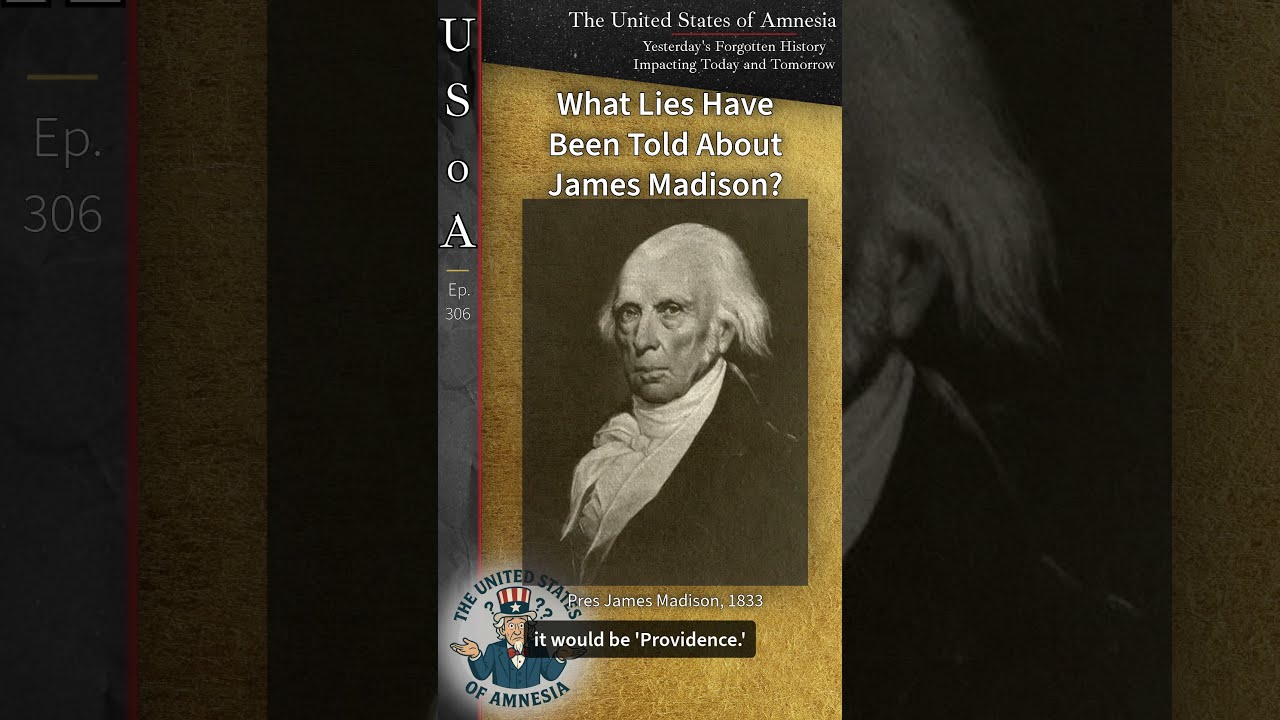
The James Madison Quote That Isn't Real #history #podcast #usoa
Did James Madison really say that the future of the United States depends on Jesus and the Bible? The historical record suggests otherwise. Madison never said it, but the quotation continues to circulate as though repetition were evidence. In this excerpt, we examine how claims about the Founders become accepted as history, from Madison’s supposed words to George Washington’s cherry tree. Where does history end and myth begin? Mythos over logos. Watch the full episode of The United States of Amnesia as we ask a larger question: Was America founded as a Christian nation? #USHistory #JamesMadison #AmericanHistory #FoundingFathers #History
Oct. 6, 2026
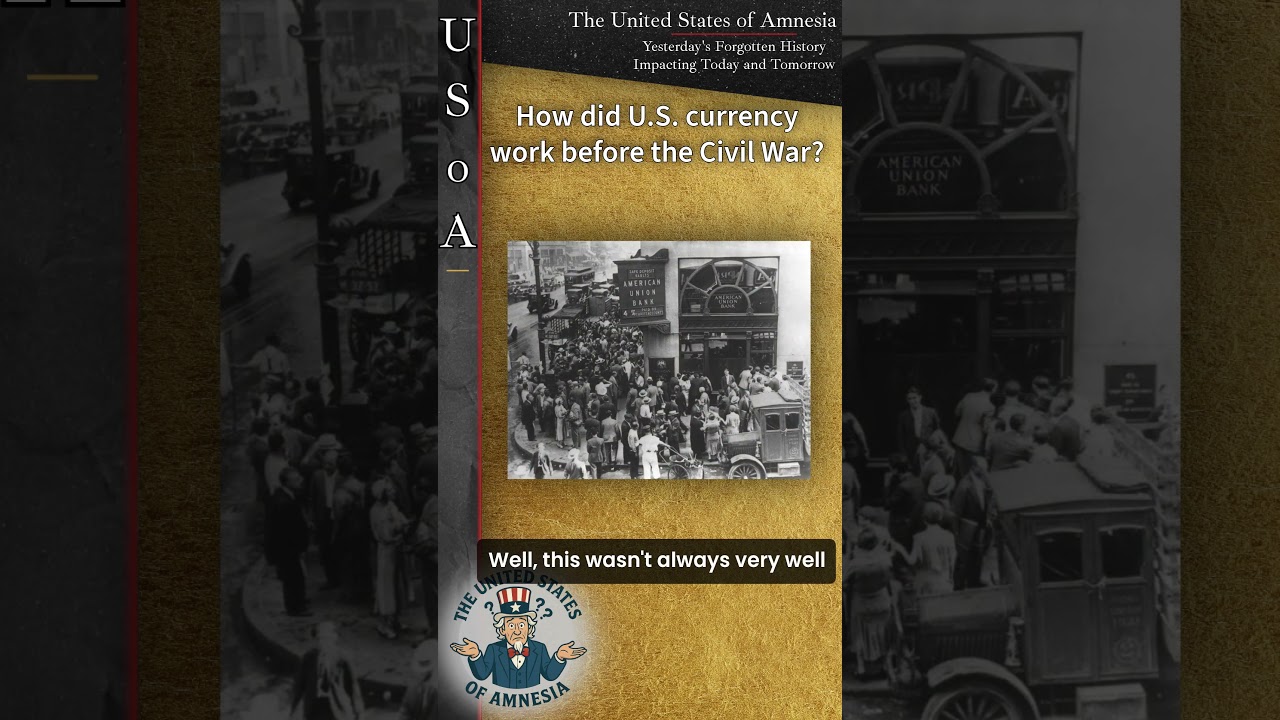
The U.S. Used Over 7,000 Different Currencies before the Civil War! #history #podcast #shorts #usoa
Before the Civil War, the United States was fragmented and mostly disconnected with itself. There was little infrastructure binding states and regions together, so each region, state, counties, or oftentimes even neighboring towns all used different currencies. This was fixed during/after the Civil War with the introduction of the "greenback," the first legislatively-agreed upon national currency. If you liked this, be sure to subscribe to our channel so you don't miss anything, and check out the rest of our episodes for the nitty gritty details of America's (misremembered) past. @USAAmnesia www.usofamnesia.com
Oct. 3, 2026
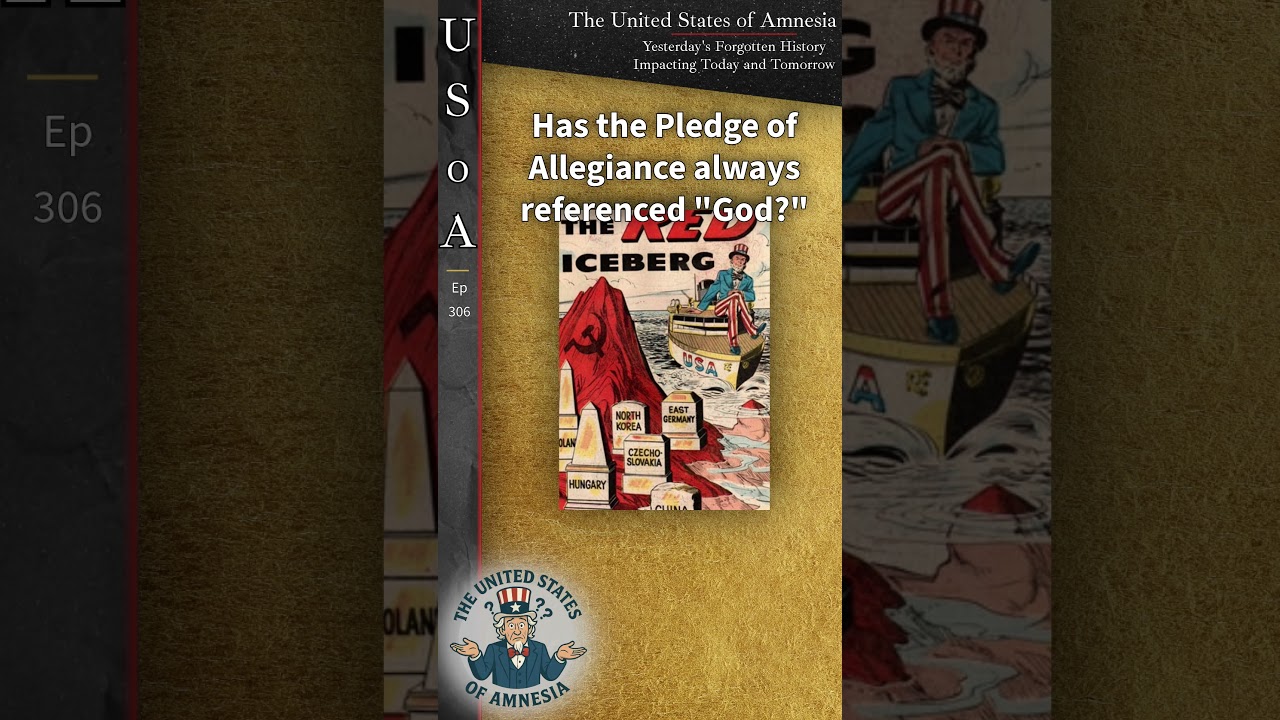
References to God in the Pledge of Allegiance #history #podcast
An excerpt from the final episode in our series "A Christian Nation?" which dives into the history and religious affiliations of America's founding, and the fathers that led it. The United States of Amnesia is a long-format podcast exploring the lessons we’ve forgotten, misunderstood, or never learned. Over time, history, politics, and religion have been distorted by bias, oversimplification, and myth. This podcast aims to cut through the fog, reconnecting past and present to help us think more clearly about the world we’re in and the one we're heading toward. Join us as we delve into the great struggle of humanity: to reconcile who we were with who we are becoming. Want to learn about the history you have forgotten — or never knew? We post new episodes every other Wednesday and begin a new series every few weeks. You can listen on our YouTube channel at @USAAmnesia, at our website at https://www.usofamnesia.com, or wherever you get your podcasts. We also post YouTube Shorts highli…