
Videos

March 28, 2026
The U.S. Sells Sea Cucumbers to China #shorts #history #podcast #china
In this excerpt from Episode 202 ("Conflict Follows Trade") of the United States of Amnesia podcast series "Tea, Drugs, and Jesus" — which discusses how the United States always has misunderstood China — Marshall describes how American merchants seeking trade with China in the 1820s and 1830s established a market in bêche-de-mer — also known as sea cucumbers. We are a long-format podcast that makes deep dives into the history you have forgotten or never knew. We drop new episodes every other Wednesday and begin a new series every few weeks. For much more, see our YouTube channel @USAAmnesia, listen wherever you get your podcasts, or visit our website at https://www.usofamnesia.com. Email us at usa.amnesia@gmail.com. The Wikimedia Commons photo of a sea cucumber in chopsticks is by Jpatokal (https://commons.wikimedia.org/wiki/User:Jpatokal) and is used under the Creative Commons Attribution-Share Alike 4.0 International license (https://creativecommons.org/licenses/by-sa/4.0/deed.en)…
March 26, 2026
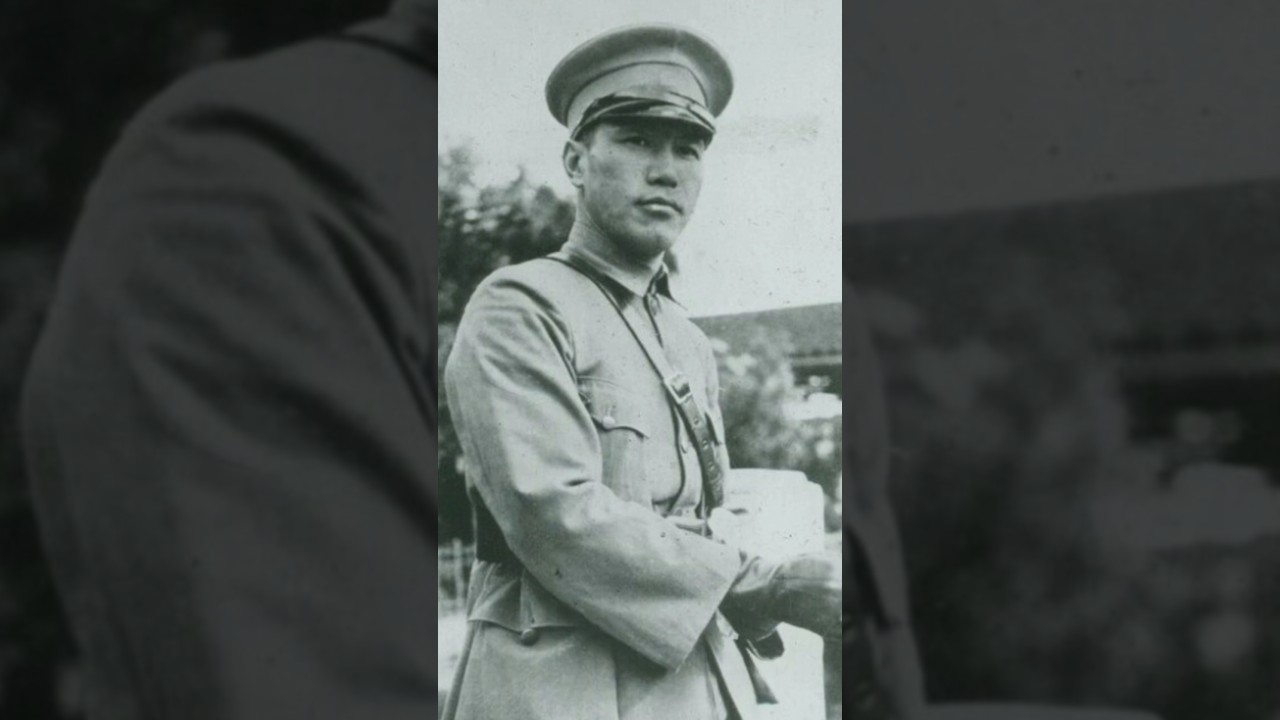
Chiang Kai-shek — Communist Collaborator! #podcast #history #china #military
In this excerpt from Episode 205 ("The Soong Dynasty") of the United States of Amnesia podcast series "Tea, Drugs, and Jesus" — which explores how the United States has never really understood China — Marshall explains how Nationalist Chinese leader Chiang Kai-shek, later viewed in the United States as a great leader in a struggle against global communism, actually collaborated with the Soviet Union and the Chinese Communists in his early days — in ways his American supporters in the 1950s abhorred in the fellow Americans. We drop long-form podcast episodes on historical topics every other Wednesday. For much more, visit our YouTube channel @USAmnesia, listen wherever you get your podcasts, and visit our website at https://www.usofamnesia.com. Email us at usa.amnesia@gmail.com.

March 19, 2026
Stilwell and Chennault on Chiang Kai-shek #shorts #podcast #history #china #military
In this excerpt from Episode 207 ("Flying Tigers and Burmese Roads") of the United States of Amnesia podcast's "Tea, Drugs, and Jesus" series on the persistent U.S. misunderstanding of China, Blake tells us how Generals Joseph Stilwell and Claire Chennault described Chinese Nationalist leader Generalissimo Chiang Kai-shek in a 1943 meeting with President Franklin Roosevelt. For the entire episode — and much more — see our YouTube channel @USAAmnesiaor listen wherever you get your podcasts. To learn more, visit our website at https://www.usofamnesia.com. Email us at usa.amnesia@gmail.com.
March 17, 2026
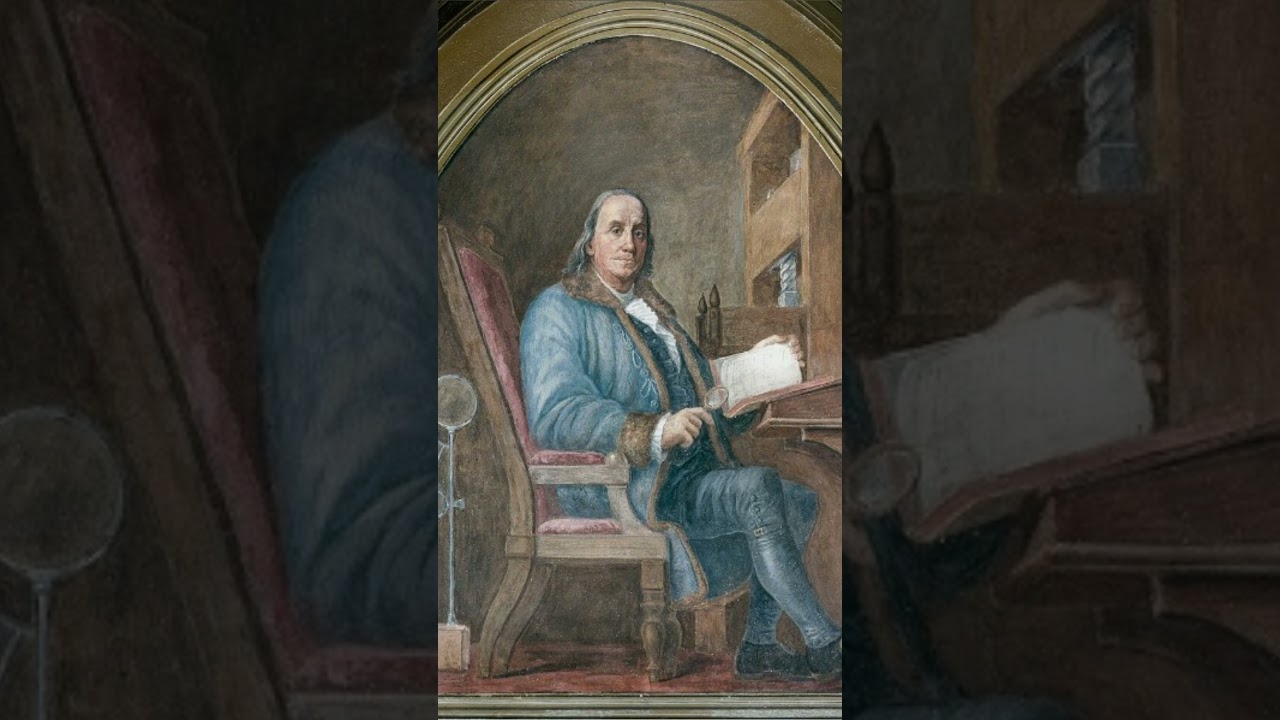
Benjamin Franklin Gets China Wrong #shorts #podcast #history #china
Marshall, Blake, and Mike discuss the imaginative stories that Enlightenment figures like Benjamin Franklin told about exotic, faraway lands like China — places the Western world knew little about — in this excerpt from Episode 201 — "The Flag Follows Trade" — of the United States of Amnesia podcast series "Tea, Drugs, and Jesus," which discusses the persistent American misunderstanding of China. For much more about the history you have forgotten or never knew, see our YouTube channel @USAAmnesia, listen wherever you get your podcasts, or visit us at https://www.usofamnesia.com. Email us at usa.amnesia@gmail.com.

March 16, 2026
Vinegar Joe Stilwell Takes the Job in China #shorts #podcast #history #China #military
In an excerpt from Episode 206 — "Vinegar Joe and the Generalissimo" — of the United States of Amnesia podcast series "Tea, Drugs, and Jesus" — which discusses how the United States always has misunderstood China — Mike describes how and why U.S. Army General Joseph "Vinegar Joe" Stilwell became chief of staff to Chiang Kai-shek and commander of U.S. forces in China during World War II. For much more, see our YouTube channel @USAAmnesia, listen wherever you get your podcasts, and visit us at https://www.usofamnesia@gmail.com. Email us at usa.amnesia.com.

March 15, 2026
Over the Hump, Merrill's Marauders, and Flying Tigers #shorts #podcast #history #china #military
In this excerpt from Episode 206 — "Vinegar Joe and the Generalissimo" — of the United States of Amnesia podcast series "Tea, Drugs, and Jesus," which discusses how the United States always has misunderstood China, Mike describes some of the more famous U.S. military operations and units in the China-Burma-India (CBI) Theater of World War II For much more, see our YouTube channel @USAAmnesia, listen wherever you get your podcasts, and visit us at https://www.usofamnesia.com. Email us at usa.amnesia@gmail.com.

March 15, 2026
Deference to Lindbergh — And Eugenics #shorts #podcast #history #aviation
In this excerpt from Episode 106 — "America First, Part 6" — from the United States of Amnesia podcast, Marshall describes how Charles Lindbergh, the "Lone Eagle" who made the first solo transatlantic flight in1927 and later became a leading voice of the "America First" movement, received deference from virtually everyone during the leadup to World War II — and was held up by eugenicists at the time as an example of the ideal "Nordic" person. For much more, see our YouTube channel @USAAmnesia, listen wherever you get your podcasts, and visit our Web site at www.usofamnesia.com. Email us at usa.amnesia@gmail.com.

March 13, 2026
The United States of Amnesia — A Podcast #shorts #podcast #history #politics #religion
Want to learn about the history you have forgotten — or never knew? Blake's introduction to the United States of Amnesia podcast lays out the motivation for it, its philosophy, and its main themes. We drop episodes every other Wednesday and begin a new series every few weeks. For much more, visit our YouTube channel @USAAmnesia and our Web site at www.usofamnesia. We also are on all major podcast platforms. Email us at usa.amnesia.com.

March 13, 2026
China in the Warlord Period #shorts #podcast #history #china
In this excerpt from Episode 205 — "The Soong Dynasty" — of the United States oif Amnesia podcast series "Tea, Drugs, and Jesus," Marshall gives us a personal example of Western misunderstanding of and misinformation about China from his younger days, as well as a look at what resources were available and what information was being represented regarding the Chinese First Republic and its president, Sun Yat-sen. For more, visit our YouTube channel @USAAmnesia and our Web site at www.usofamnesia.com, or listen wherever you get your podcasts. Email us at usa.amnesia@gmail.com.
March 13, 2026
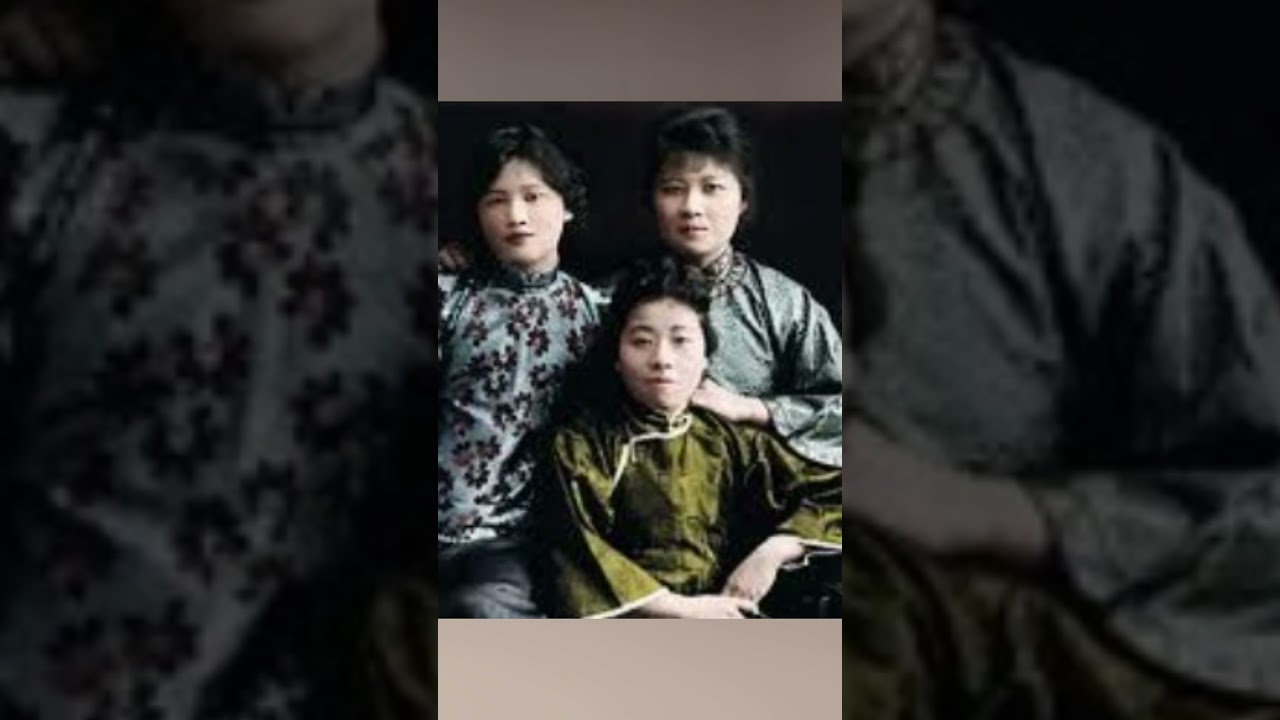
The West Misunderstands Exotic Cathay #shorts #podcast #history #china
In this excerpt from Episode 202 — "Conflict Follows Trade" — of the United States of Amnesia podcast series "Tea, Drugs, and Jesus," Marshall lays out the theme of the series. Based mostly on artwork like porcelain pots and fanciful literature, the Western world's perception of China in the 19th century was one of exotic "Cathay," a place of enlightened mandarins, beautiful women, and stunning landscapes. Accurate information was in very short supply — and this initial misperception still affects America's relations with China today! For more, visit our YouTube channel @USAAmnesia and our Web site at www.usofamnesia.com. Email us at usa.amnesia@gmail.com.

March 13, 2026
An Idealized U.S. View of China #shorts #podcast #history #china
In an excerpt from Episode 205 — "The Soong Dynasty" — of the United States of America podcast series "Tea, Drugs, and Jesus," Mike provides a brief thesis of the series, outlining how the information given to the American people regarding China was romanticized and idealized time and time again. For much more, visit our YouTube channel @USAAmnesia and our Web site at www.usofamnesia.com. Email us at usa.amnesia.com.

March 13, 2026
Repeated U.S. Behavior in China #shorts #podcast #history #china
In this excerpt from Episode 204 — "The Harmonious Fists" — of the United States of Amnesia podcast series "Tea, Drugs, and Jesus," Blake quotes historian Barbara Tuchman as he notes that the United States has persistently misunderstood China — and many other countries around the world. For much more, visit our YouTube channel @USAAmnesia and our Web site at www.usofamnesia.com. Email us at usa.amnesia.com.