Image Gallery for America First
This gallery of photos, maps, and other images add to our America First audio series about the rise and evolution of the "America First" movement in the United States from the 1880s through World War II. The gallery includes links to episodes for each image. So follow along in the gallery as you listen to the series and enjoy a more immersive experience as you get better acquainted with the people, events, and locales we discuss.
NOTE: All images are in the public domain unless otherwise indicated.
******
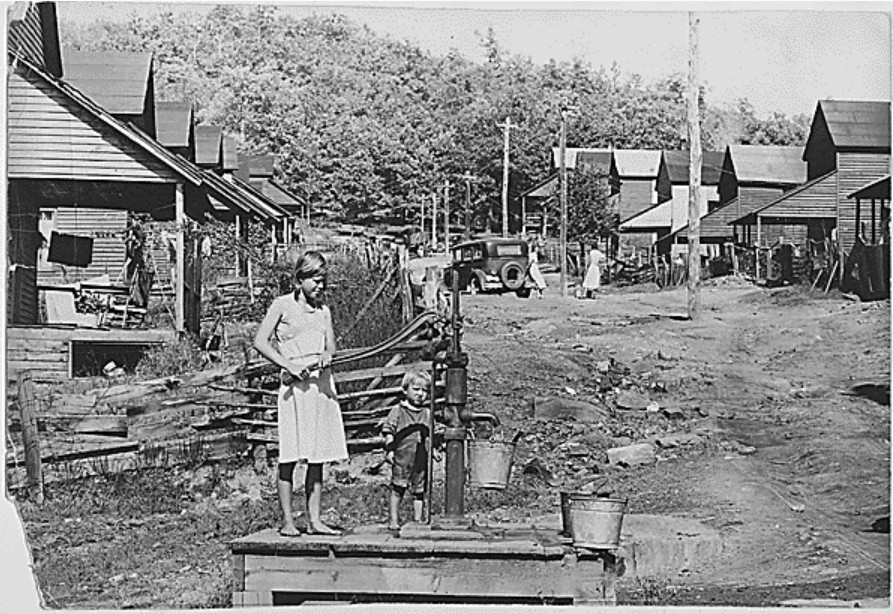
Pumping water by hand in rural Tennessee in 1942. As America urbanized in the late 19th and early 20th centuries, America Firsters longed for an idealized rural past centered around the yeoman farmer, overlooking the reality that rural life was one of hard, dull physical labor, low incomes, few – if any – conveniences, and few opportunities for recreation. (Episode 101: America First Part One)
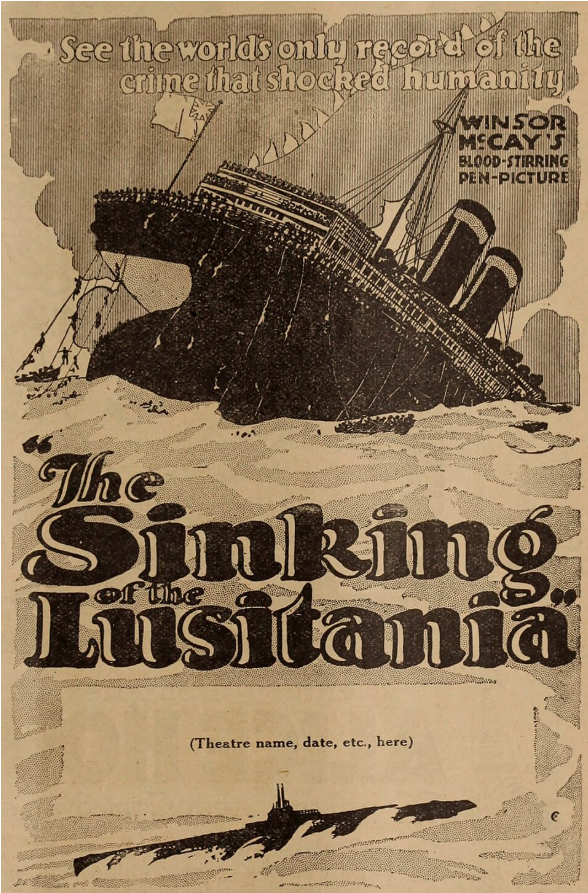
Advertisement for a 1918 film about the 1915 sinking of RMS Lusitania. (Episode 101: America First Part One)
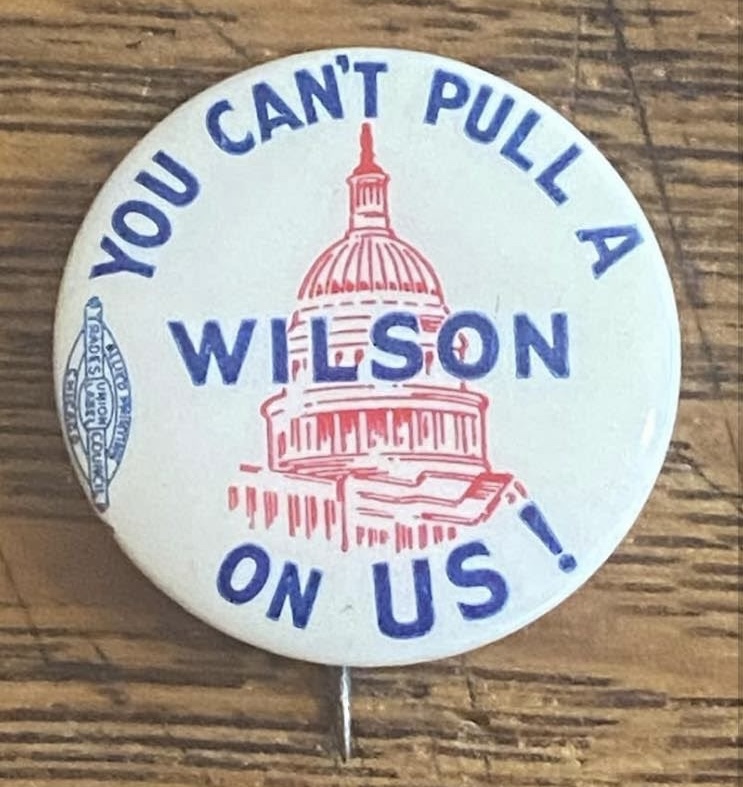
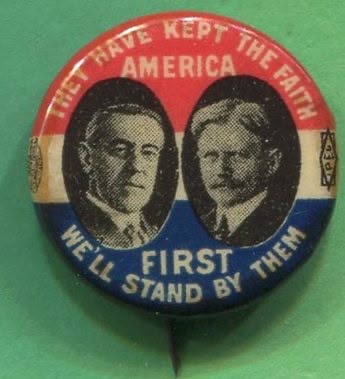
Woodrow Wilson presidential campaign buttons. (Episode 101: America First Part One)
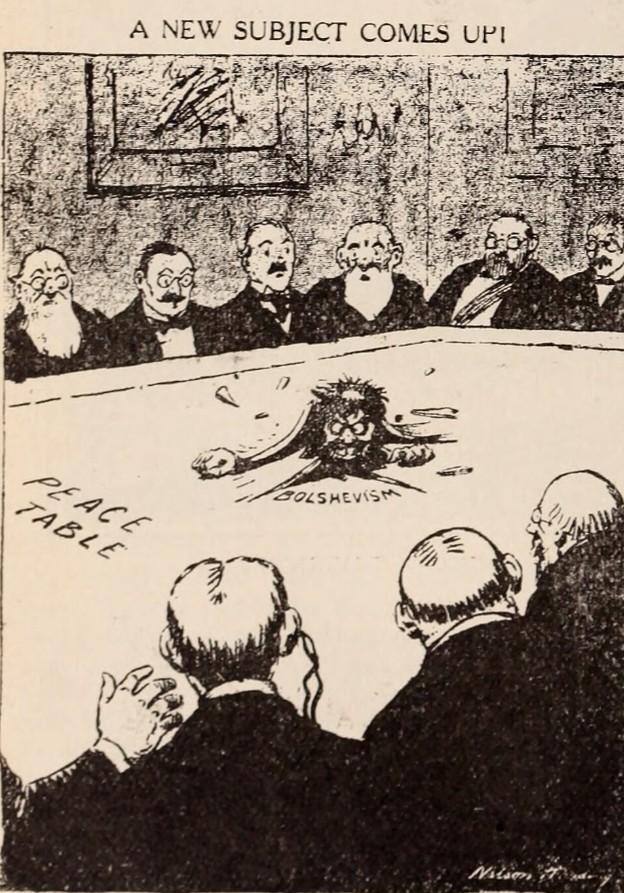
A 1919 political cartoon from the Brooklyn Eagle depicts the effect of the rise of communism in Russia on the ongoing post-World War I peace negotiations at Versailles as negotiators crafted the Treaty of Versailles . Bolshevism's successes in the October Revolution of 1917 and in the ensuing Russian Civil War as well as communism's claim of representing an inevitable global revolutionary movement of workers against the established world order frightened many people in the industrialized world. (Episode 102: America First Part Two)
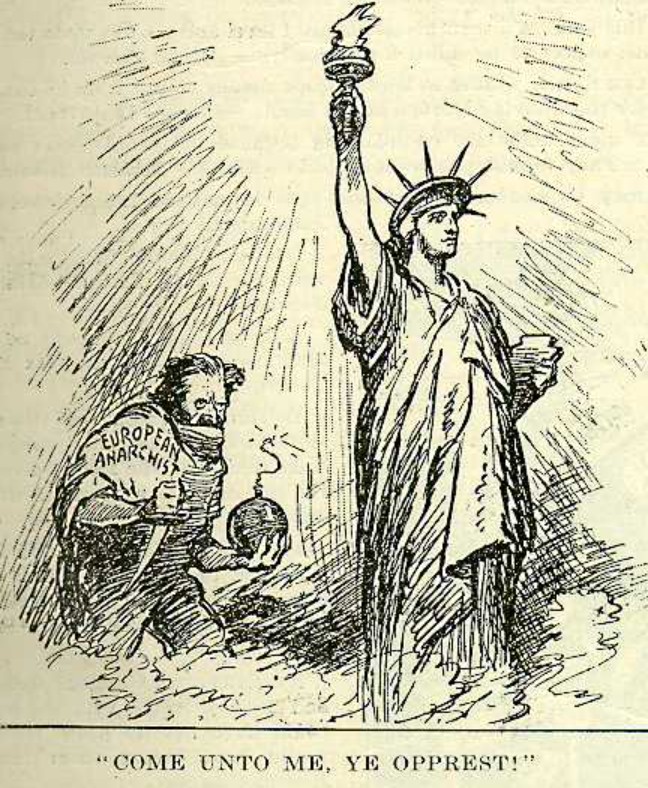
A sinister "European anarchist" armed with a dagger approaches the Statue of Liberty to destroy it with a bomb in a July 1919 political cartoon from the Memphis Commercial Appeal. Fear of violence by foreign anarchists spread in the United States after World War I, leading to the First Red Scare. (Episode 102: America First Part Two)
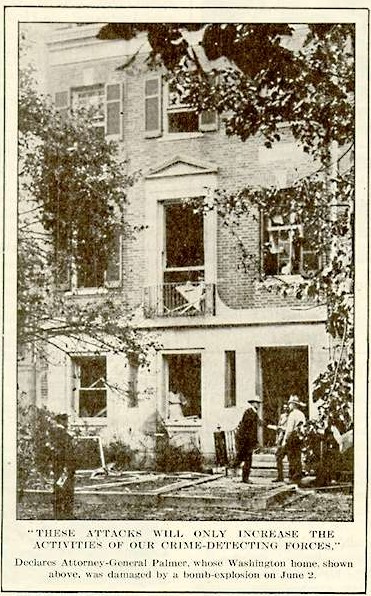
Damage to the Washington, D.C., residence of U.S. Attorney General A. Mitchell Palmer resulting from the explosion of a bomb on June 2, 1919, one of nine large anarchist bombs that detonated almost simultaneously across the United States that evening. An outbreak of anarchist-inspired bombings in 1919 led to the "Palmer Raids," which attempted to arrest and deport suspected socialists in the United States during the First Red Scare. (Episode 102: America First Part Two)
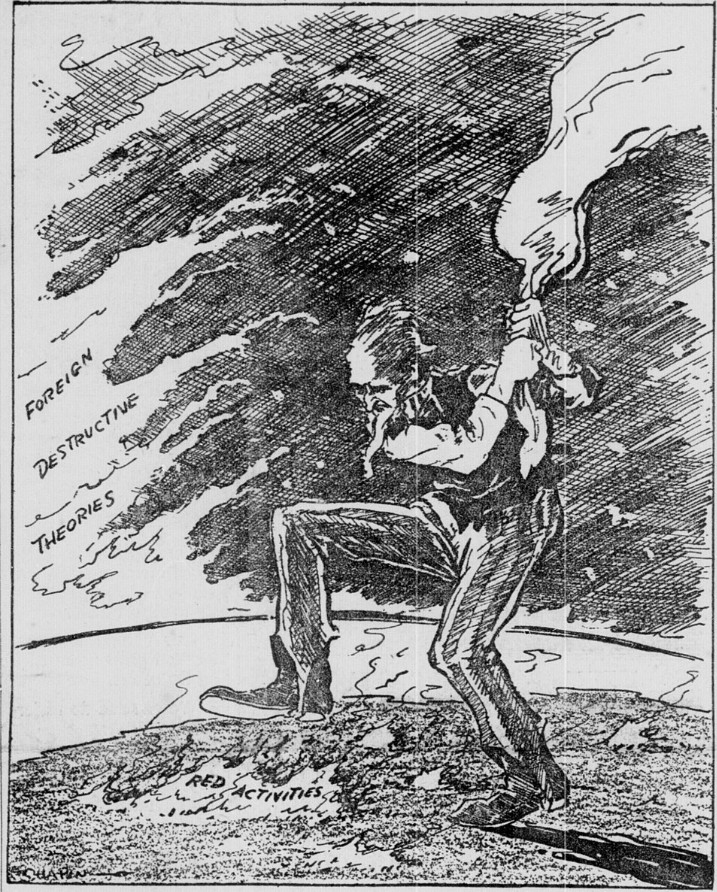
A November 8, 1919, political carton in the South Bend News-Times shows a raging blaze of "foreign destructive theories" burning across the ocean. Its embers have reached the United States and started several spreading fires labeled "red activities," which Uncle Sam tries to put out by stomping on them and beating them with a blanket. (Episode 102: America First Part Two)
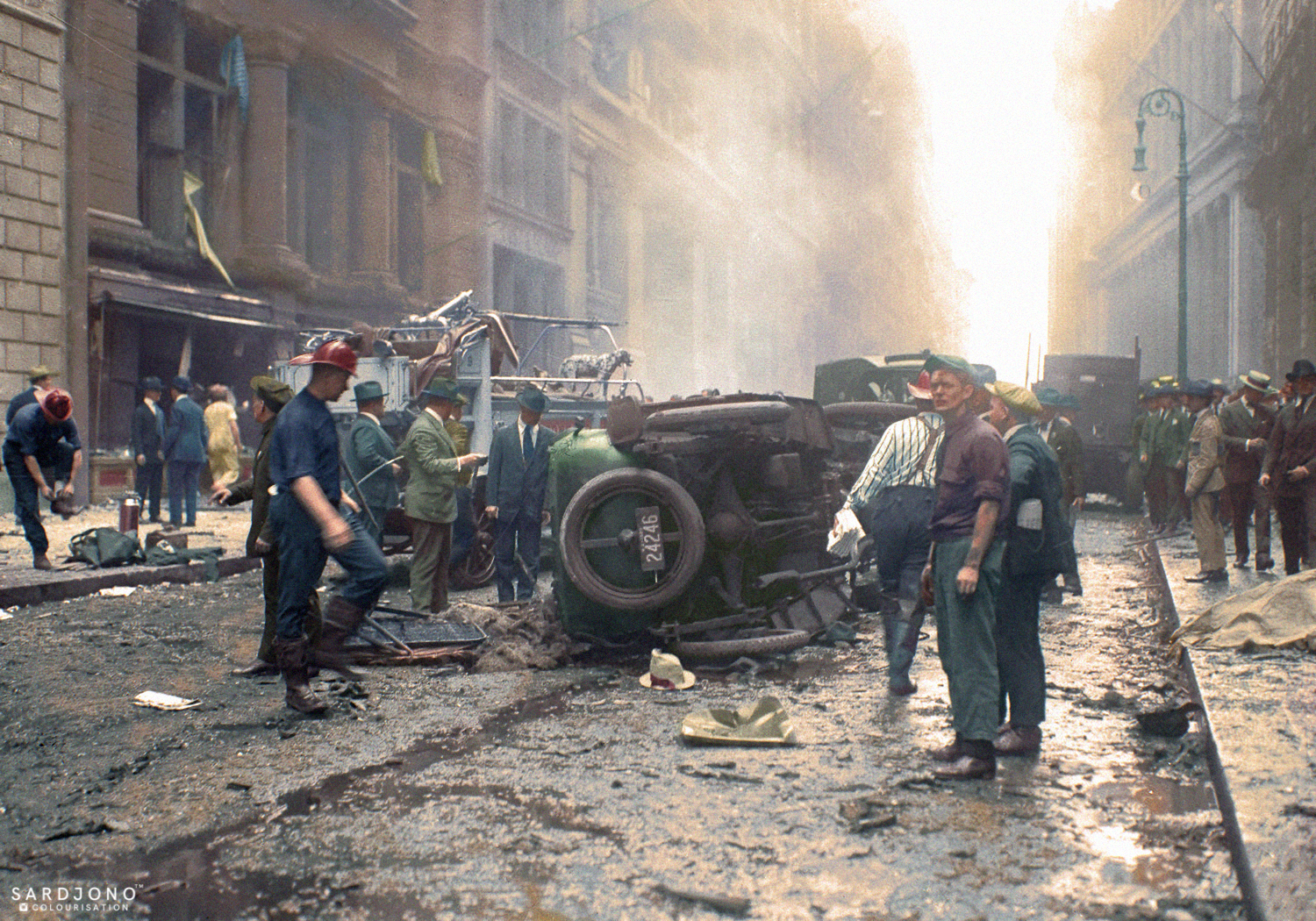
The aftermath of the 1920 Wall Street bomb explosion (colorized). (Episode 102: America First Part Two)
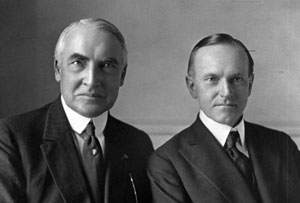
President Warren G. Harding and his vice president and successor Calvin Coolidge. (Episode 102: America First Part Two)
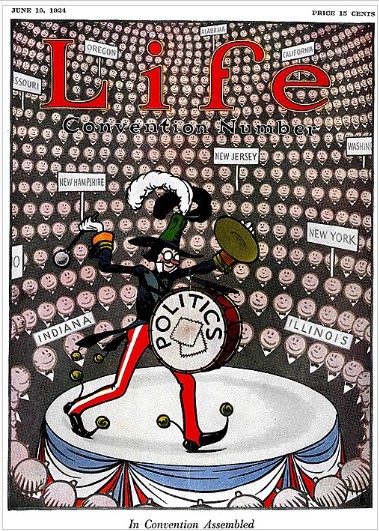
The cover of the June 19, 1924, edition of Life magazine, published between the end of the Republican National Convention and the beginning of the lengthy Democratic National Convention. (Episode 102: America First Part Two)
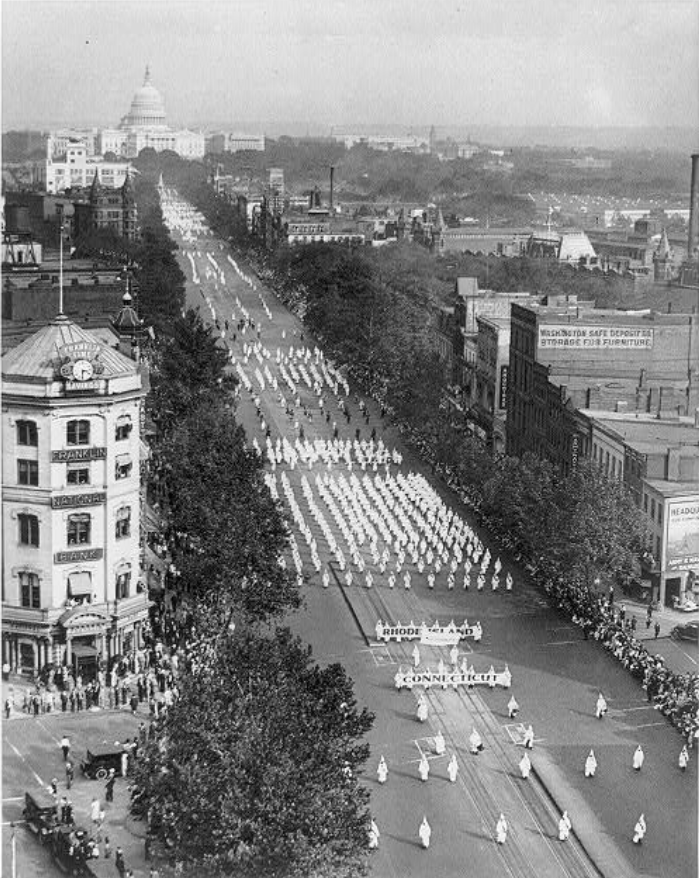
The 1926 Ku Klux Klan parade on Pennsylvania Avenue NW in Washington, D.C. The 1925 parade was twice its size. (Episode 102: America First Part Two)
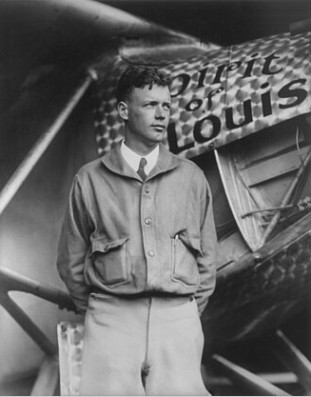
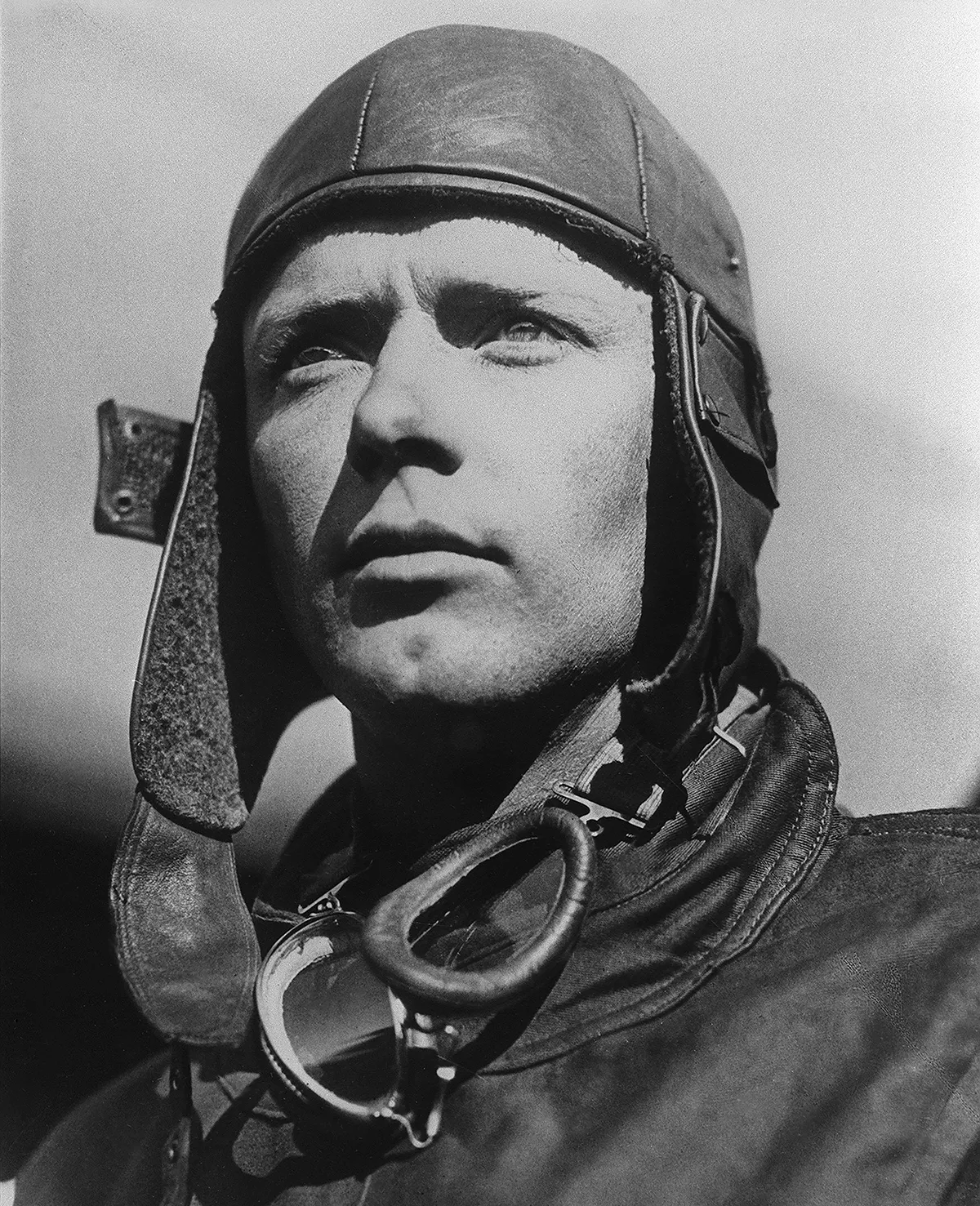
Charles Lindbergh poses with the Spirit of St. Louis, the airplane in which he made the first solo transatlantic flight in May 1927. (Episode 102: America First Part Two)
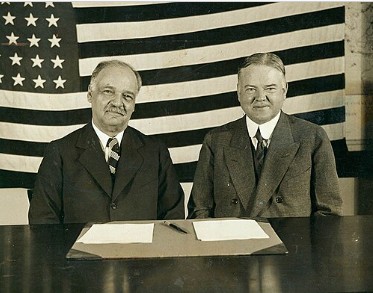
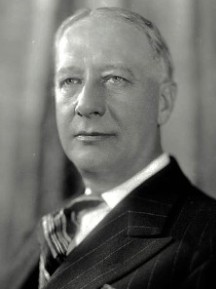
LEFT: Vice presidential candidate Charles Curtis (left) and presidential candidate Herbert Hoover after their nomination at the 1928 Republican National Convention. RIGHT: The 1928 Democratic nominee for president, Al Smith. (Episode 103: America First Part Three)
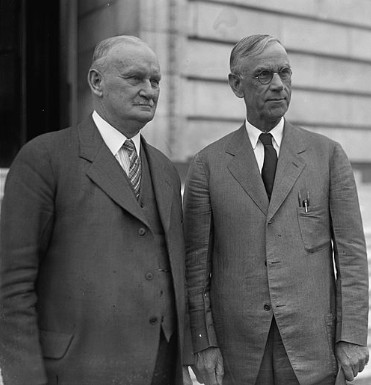
Representative Willis C. Hawley (R-Oregon), left, and Senator Reed Smoot (R-Utah) pose in 1929 after the signing of the Smoot–Hawley Tariff Act, which worsened the Great Depression. (Episode 103: America First Part Three)
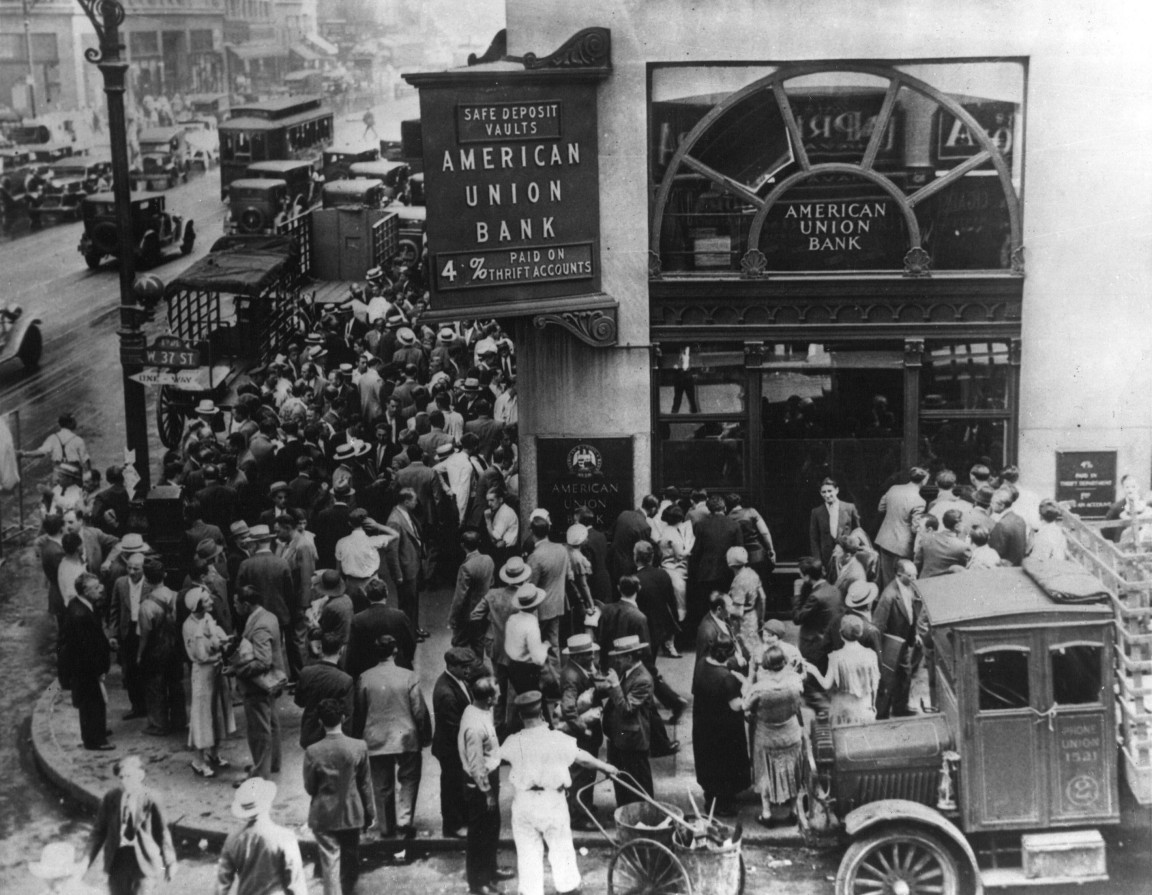
A bank run in New York City in 1931. (Episode 103: America First Part Three)
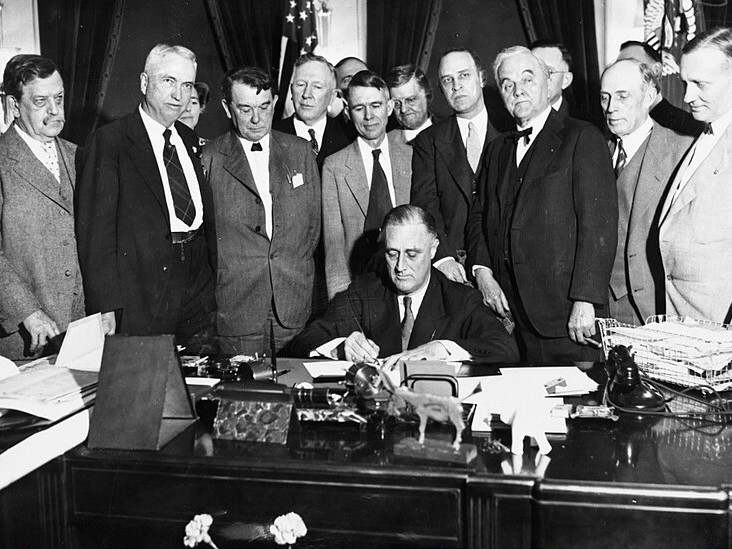
President Franklin Delano Roosevelt signs legislation establishing the Tennessee Valley Authority (TVA) in 1933 as part of the New Deal. Under FDR, the U.S. Government took unprecedented steps to address the ongoing Great Depression via New Deal programs. (Episode 103: America First Part Three)
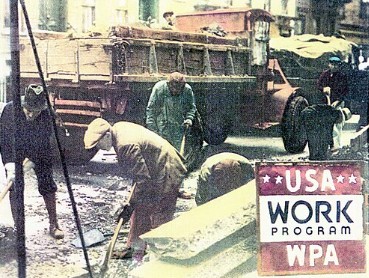
A Works Progress Administration (WPA) poster depicting unemployed men hired by the WPA. (Episode 103: America First Part Three)
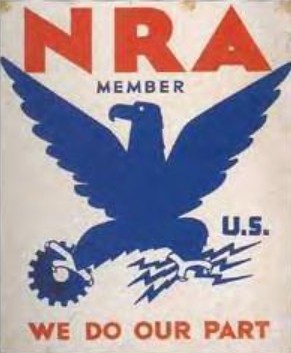
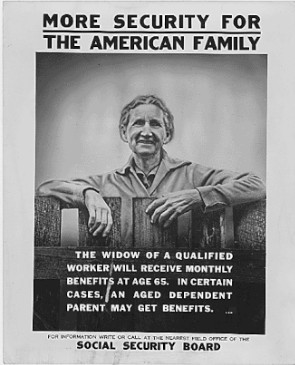
LEFT: A 1930s U.S. government poster for display by National Recovery Administration (NRA) members. RIGHT: A U.S. government poster advertising the benefits of the Social Security program. (Episode 103: America First Part Three)
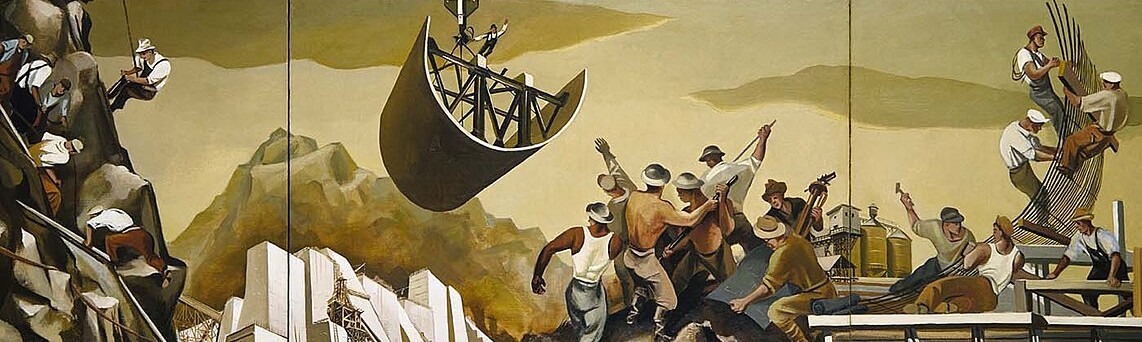
The New Deal even supported the arts. An artist employed by the Works Progress Administration (WPA) painted this 1939 mural. (Episode 103: America First Part Three)
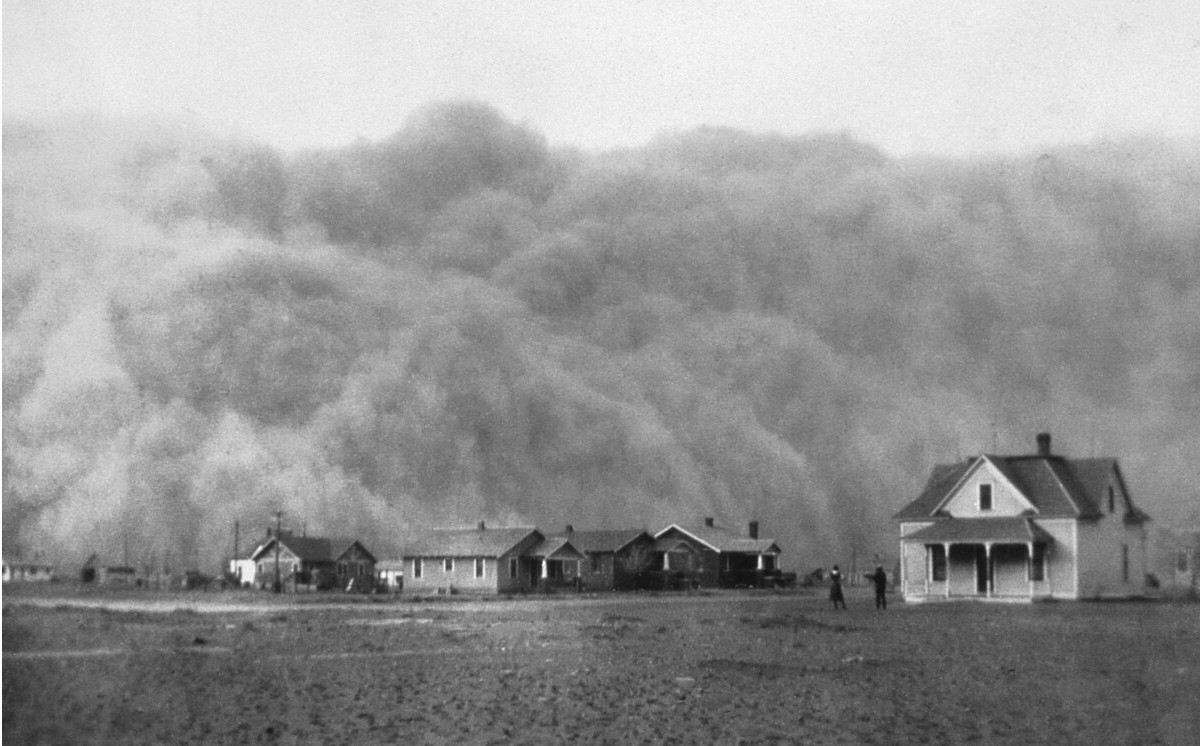
A dust storm approaches Stratford, Texas, in 1935. The Dust Bowl affected large swaths of rural America amidst an agricultural recession in the 1930s. (Episode 103: America First Part Three)
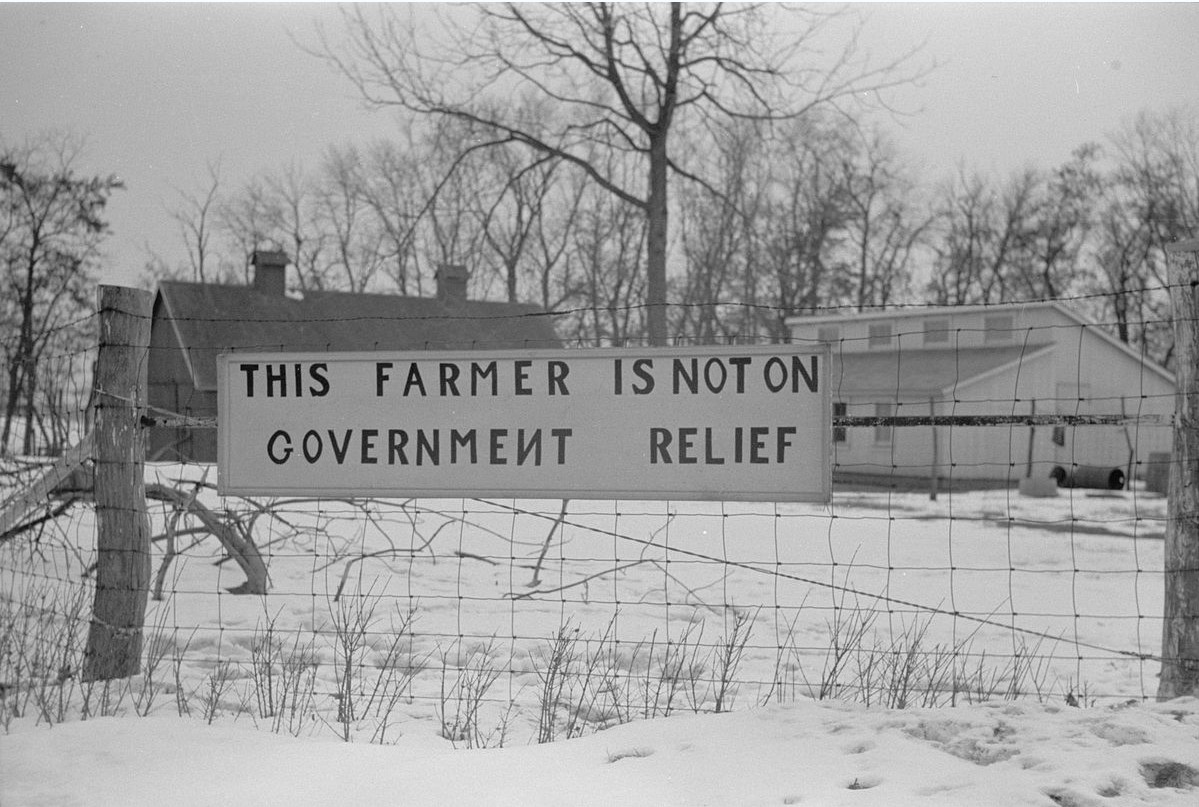
An anti-farm-relief protest sign erected by a farmer near Rock Island, Illinois, in February 1940. America Firsters opposed FDR's New Deal initiatives, which expanded the role of the U.S. federal government, viewing U.S. government aid to Americans as somehow foreign, communistic, and even un-Christian. Note the reversed "N" in "government," invoking the Russian letter "И" at a time when Russia was a part of the Soviet Union. (Episode 103: America First Part Three)
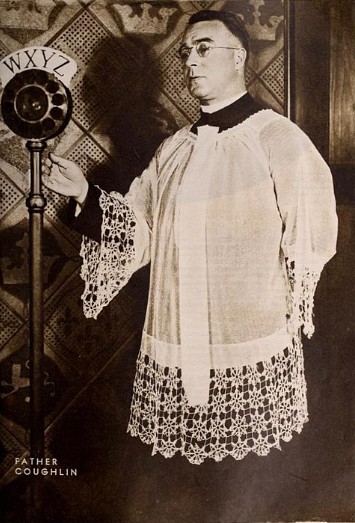
The Canadian-born Catholic priest Father Charles Coughlin was a prominent voice for "America First" beliefs in the 1930s and had a huge radio following. (Episode 104: America First Part Four)
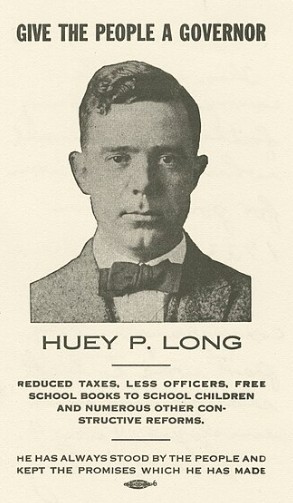
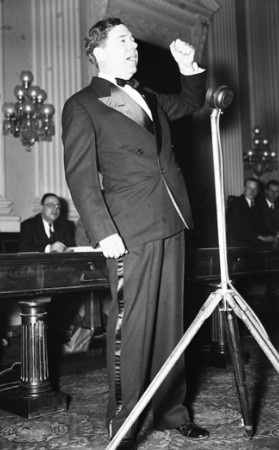
Louisiana Governor and later U.S. Senator Huey Long had an "America First" appeal for many Americans in the 1930s. LEFT: A poster for Long's 1924 gubernatorial campaign expresses his political promises. RIGHT: Long speaks as a U.S. Senator from Louisiana in early 1935. (Episode 104: America First Part Four)
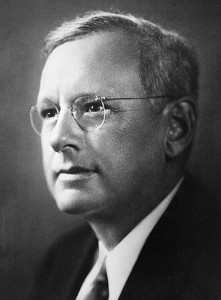
Republican Alf Landon lost to FDR in the 1936 U.S. presidential election. (Episode 105: America First Part Five)
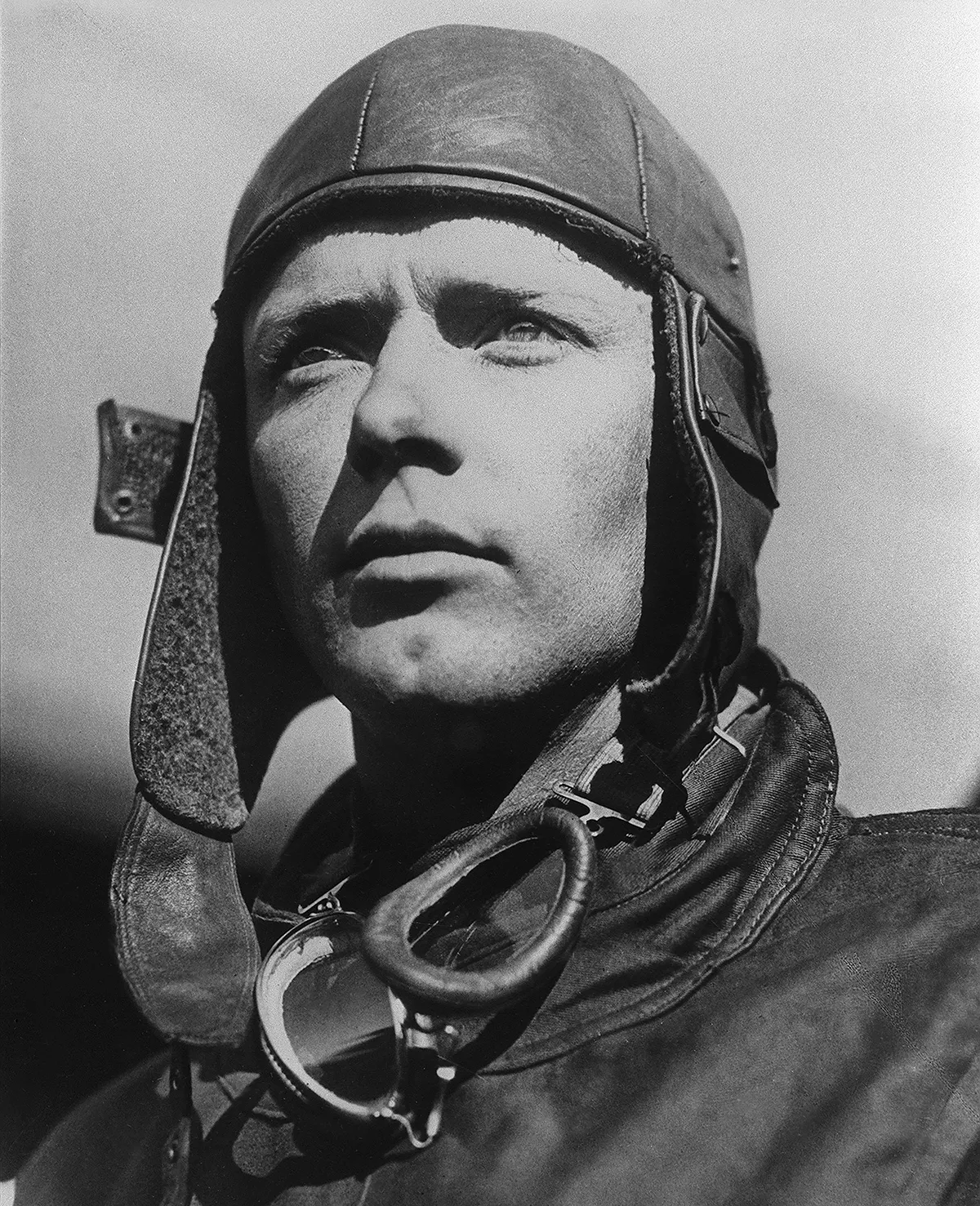
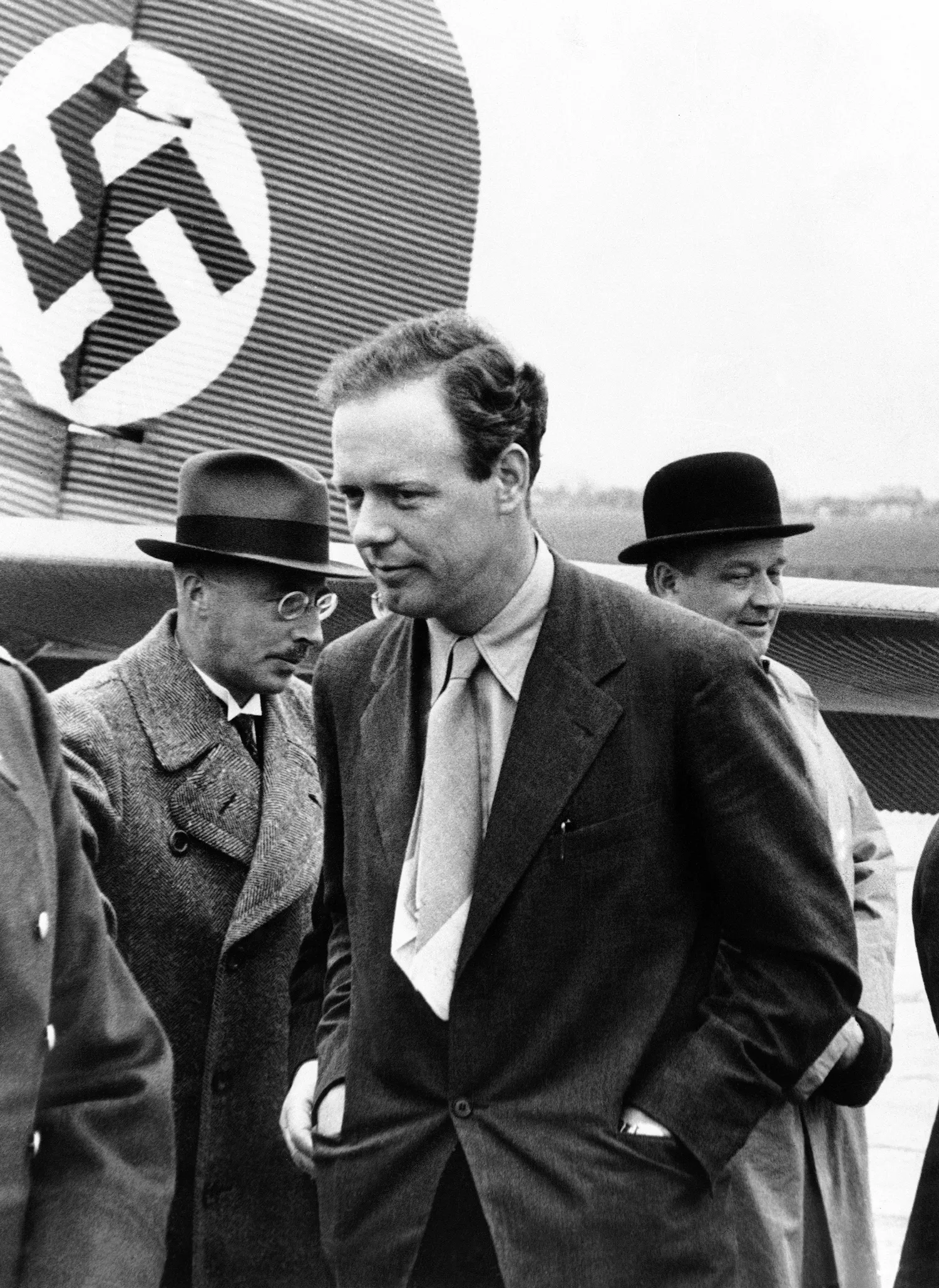
Charles Lindbergh rose to prominence in the America First movement prior to the U.S. entry into World War II and visited the Luftwaffe in Nazi Germany in the mid-1930s.. (Episode 104: America First Part Four, Episode 105: America First Part Five, and Episode 106: America First Part Six)
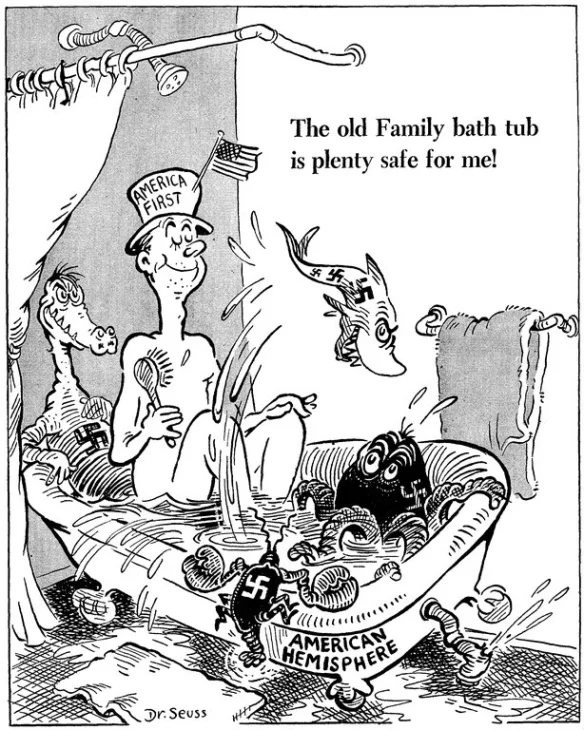
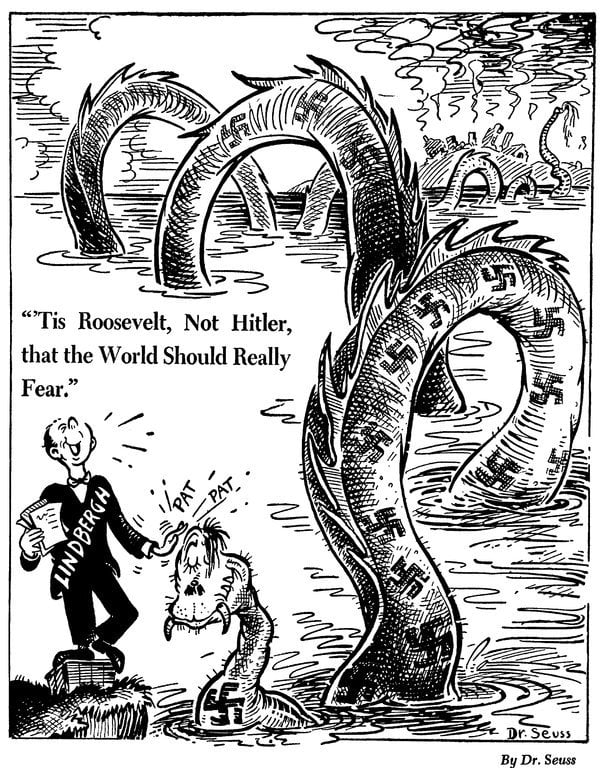
Political cartoons belittling "America First" thinking. (Episode 104: America First Part Four, Episode 105: America First Part Five, and Episode 106: America First Part Six)
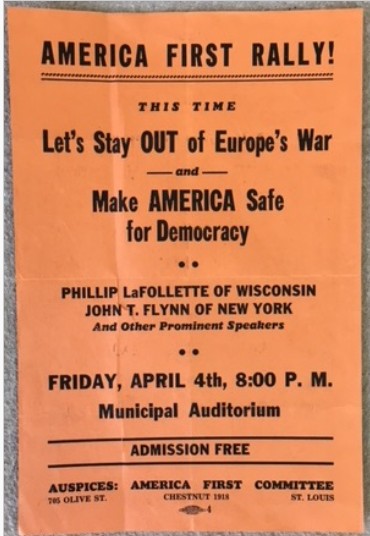
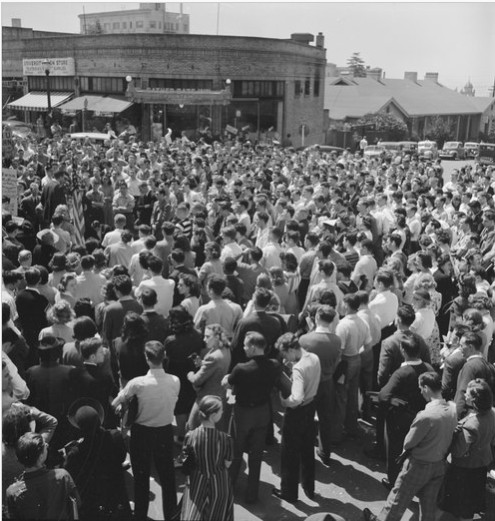
LEFT: A flyer advertising an America First Committee rally in St. Louis, Missouri,on April 4, 1941. RIGHT: University of California students stage a one-day "peace strike" on April 19, 1941, to oppose American intervention in World War II.
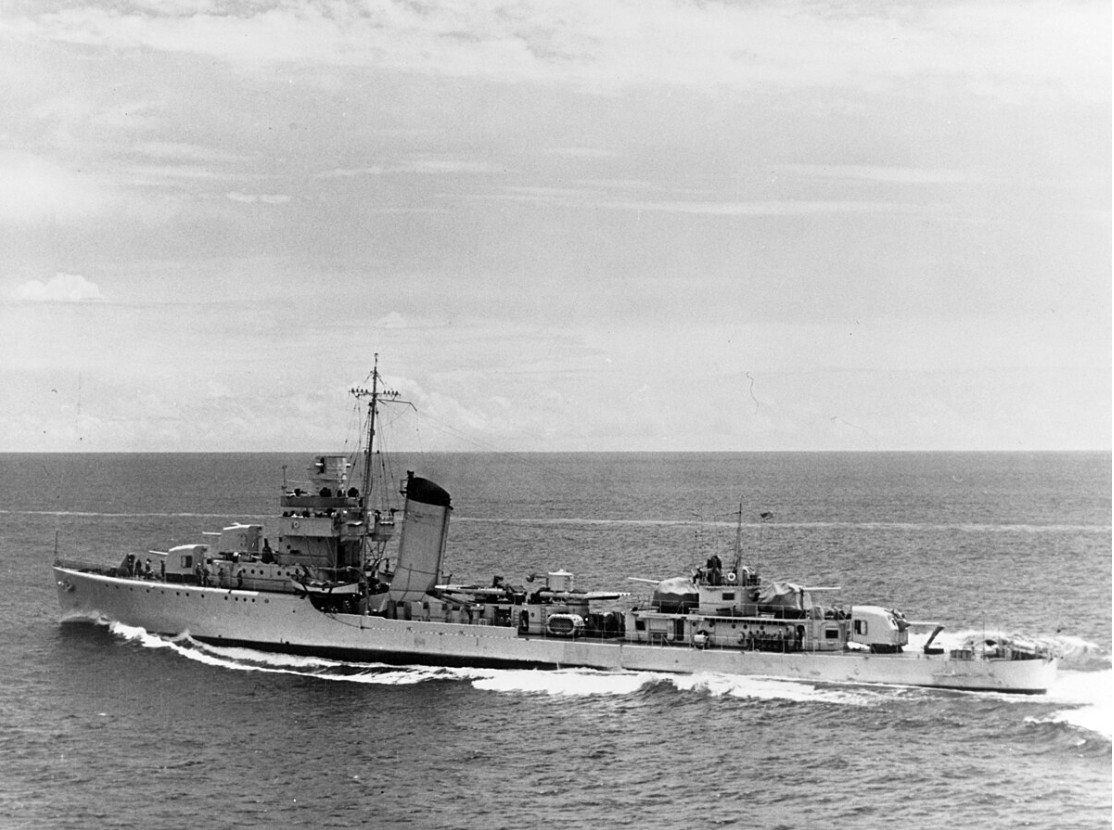
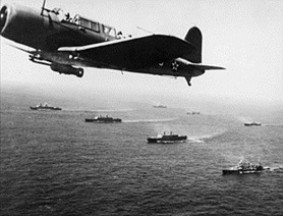
LEFT: The U.S. Navy destroyer USS Anderson (DD-411) on the Neutrality Patrol in the Atlantic Ocean, as seen from the aircraft carrier USS Wasp (CV-7) on June 29, 1941. RIGHT: A U.S. Navy SB2U Vindicator dive bomber from the aircraft carrier USS Ranger (CV-4) flies an antisubmarine patrol over an Atlantic convoy bound for Cape Town, South Africa, on November 27, 1941. America Firsters opposed such activities by the United States, which did not enter World War II until December 7, 1941. (Episode 106: America First Part Six)
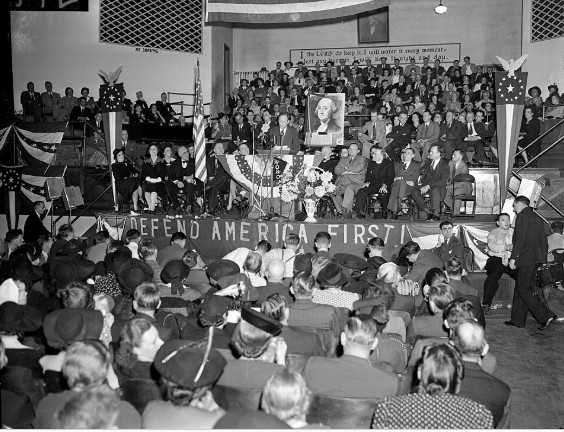
Charles Lindbergh speaks at an America First Committee rally in Fort Wayne, Indiana, on October 5, 1941. It was his first public appearance since his controversial speech in Des Moines, Iowa, on September 11, 1941.
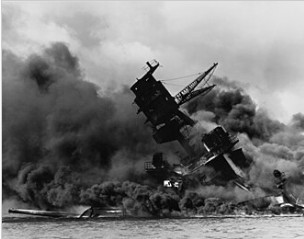
The U.S. Navy battleship USS Arizona (BB-39) burns at Pearl Harbor on December 7, 1941. The Japanese attack on Pearl Harbor and the German and Italian declarations of war against the United States on December 11 brought America into World War II and silenced the America First movement for nearly 75 years – but in the postwar United States, America Firsters never received scrutiny or faced accountability for their pro-Nazi Germany positions and activities in the way leftists did for their support of the Soviet Union .(Episode 106: America First Part Six)
Upcoming Episodes!