Image Gallery for "The U.S. and Iran: What Went Wrong?"
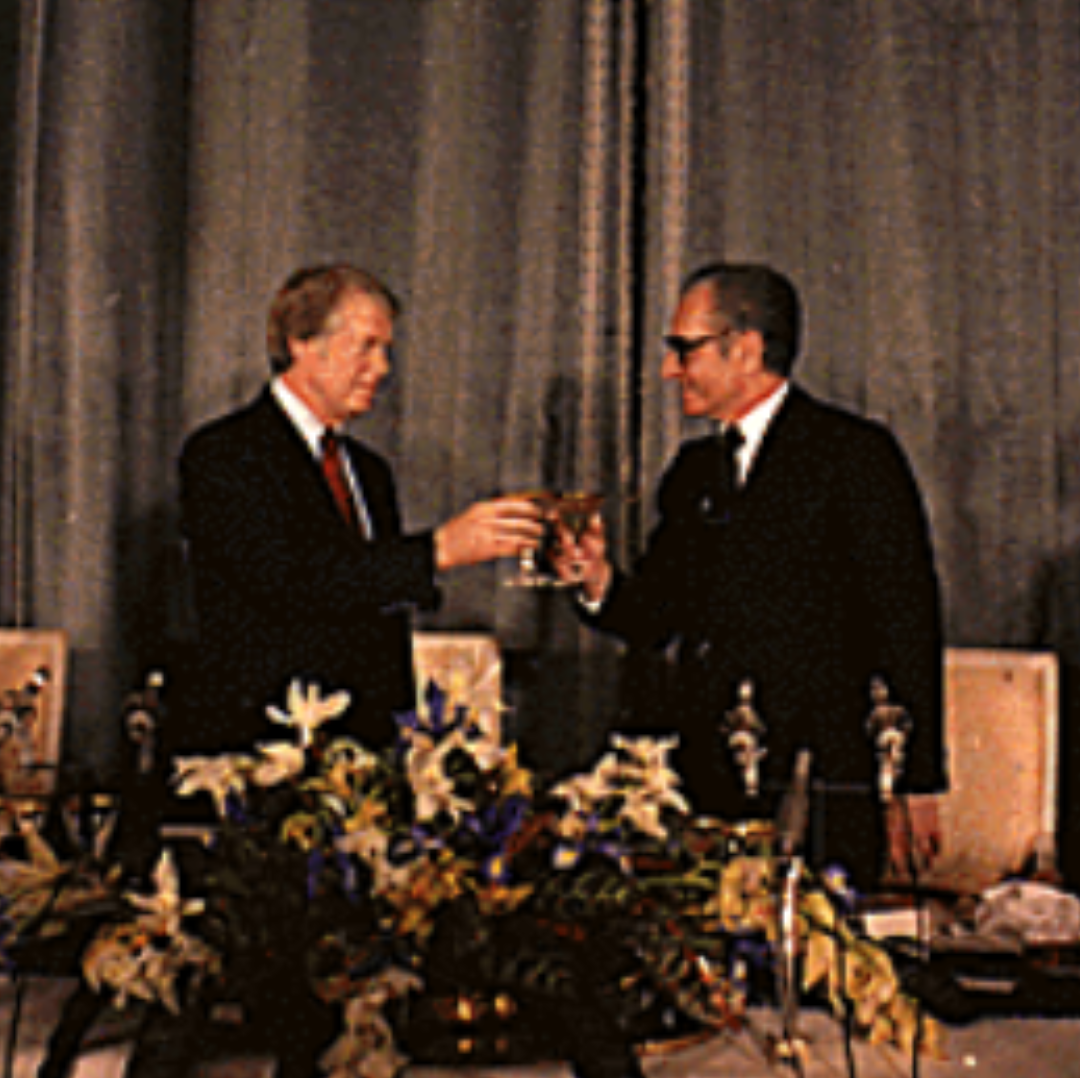
This gallery of photos, maps, and other images add to our "The U.S. and Iran: What Went Wrong?" audio series about how America's relations with Iran – where the United once was viewed as a refreshing alternative to predatory imperial powers and some Americans even became heroes of the Iranian people – degenerated into the decades-long era of deep hostility that persists today. We expand the gallery as the series continues – and sometimes after it has concluded – and add links to episodes as they drop. So check back here from time to time, follow along in the gallery as you listen to the series, and enjoy a more immersive experience as you get better acquainted with the people, events, and locales we discuss.
NOTE: All images are in the public domain unless otherwise indicated.
******
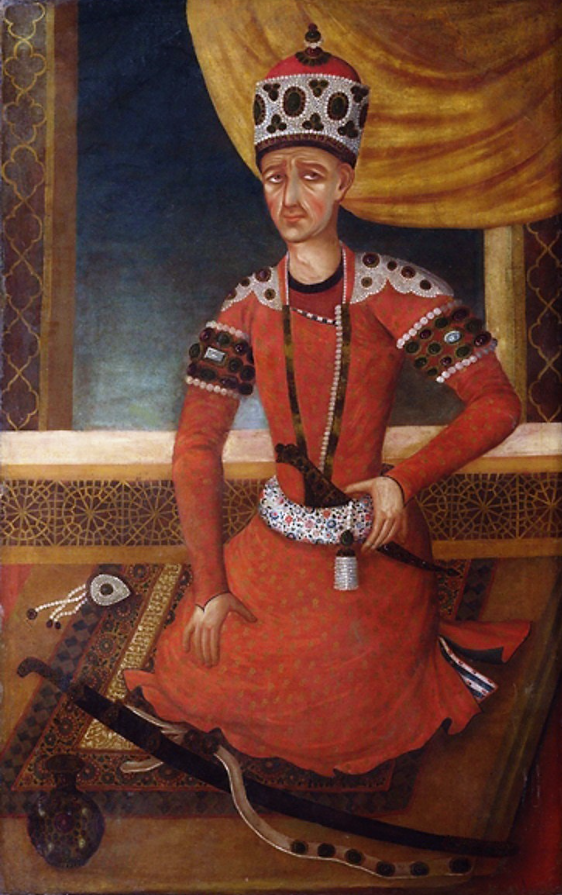
Agha Mohammad Khan Qajar (1742–1797) founded the Qajar dynasty, which ruled Persia (or Iran; the names long have been used interchangeably in the country, although Persia officially became "Iran" in 1935) from 1789 to 1925. The Qajars were incompetent and corrupt, and their rule marked a period of decline, weakness,and foreign domination in the country. (Episode 501: The Third Way)
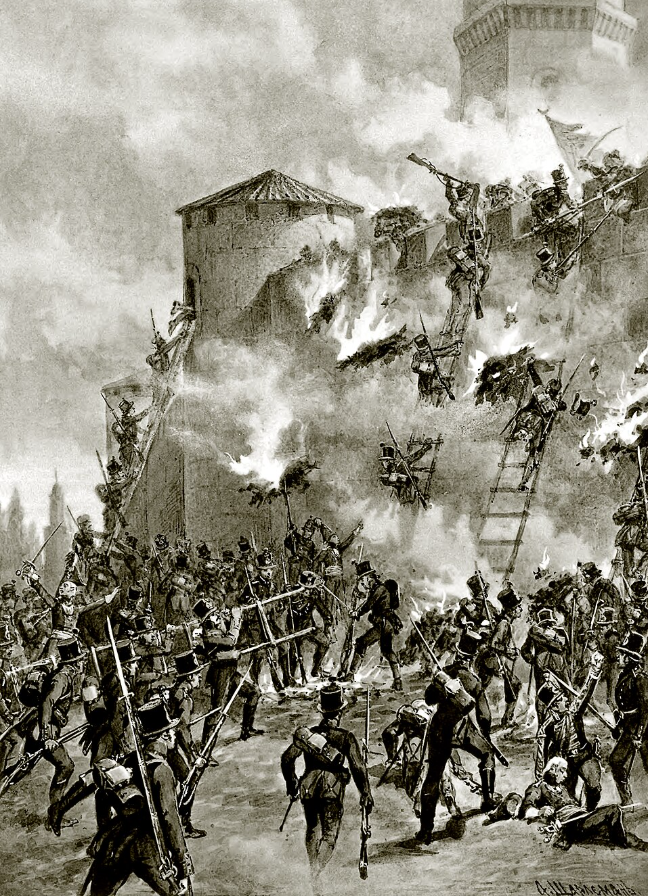
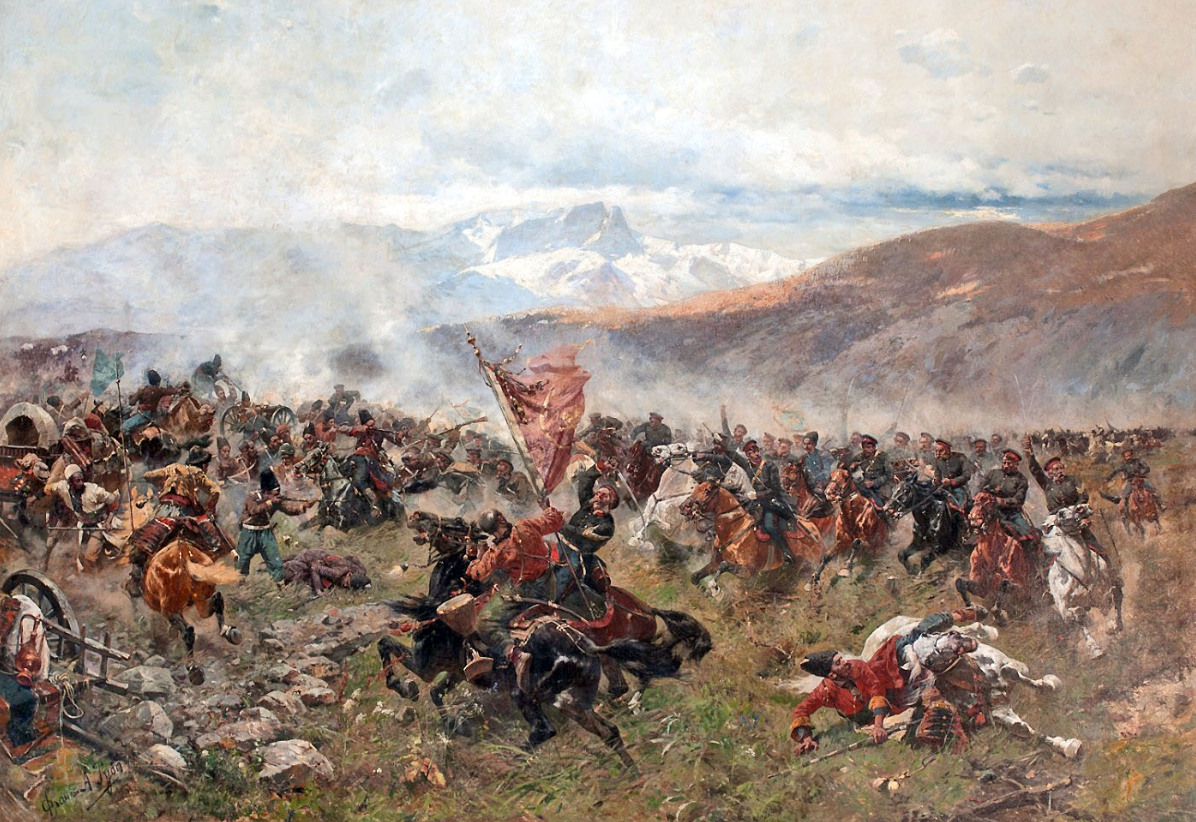
LEFT: The Battle of Ganja in 1804, during the Russo-Persian War of 1804–1813.
RIGHT: Another Battle of Ganja took place in 1826 during the Russo-Persian War of 1826–1828. Russia defeated Qajar Persia in both wars, resulting in the loss to Russia in 1813 of Georgia, Dagestan, most of what is now Azerbaijan, and parts of Armenia, and in 1829 of the rest of Persia's territories north of the Aras River in the Caucasus – including all of what is now Armenia, part of modern Azerbaijan, and part of modern Turkey – in 1828. Persia had ruled these areas for hundreds of years. (Episode 501: The Third Way)
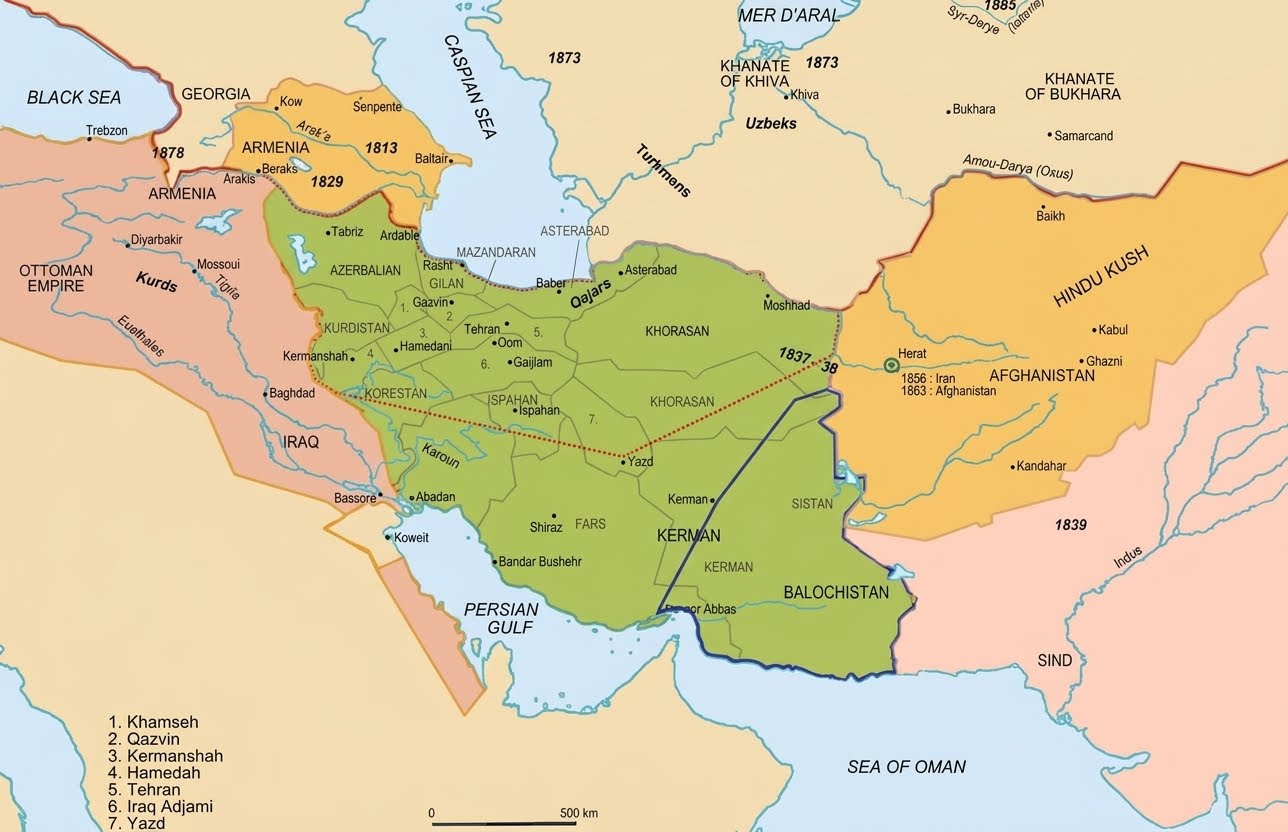
Persia in 1907. The Russian Empire lies along Iran's northern border, and northwestern territories Persia lost to the Russian Empire in 1813 and 1829 are in orange at upper left. The territory of the Ottoman Empire lies to the west (at left). To the east (at right) are Afghanistan (in orange) and British India (which included what is now Pakistan) in pink. Persia itself is in green. Under the Anglo-Russian Convention of 1907, the Russian Empire and United Kingdom agreed to a Russian sphere of influence in northern Persia (north of the dotted red line), a British sphere of influence in southeastern Persia (inside the solid blue line), and a neutral zone between them, where both were free to dominate Persian affairs. Persians were not consulted about the agreement, nor did the British and Russians expect Persians to have a say their own affairs – even in the neutral zone. (Modified from a map by Fabienkhan, used under the Creative Commons Attribution-Share Alike 2.5 Generic, 2.0 Generic, and 1.0 Generic licenses) (Episode 501: The Third Way)
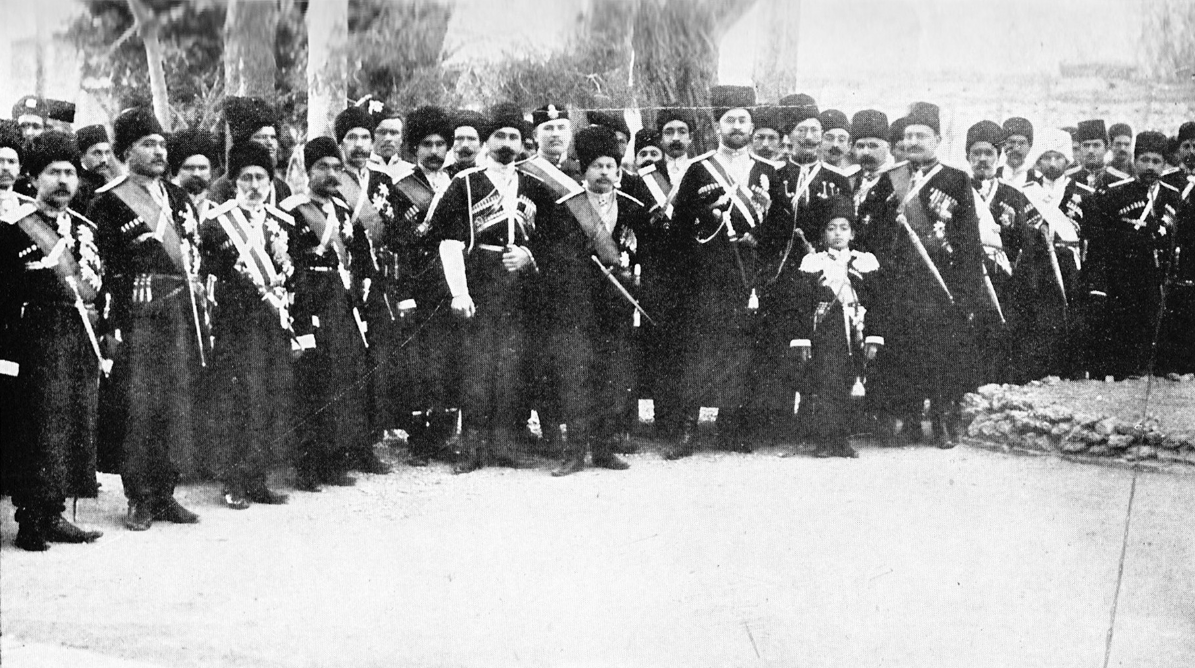
Such was the Russian Empire's influence in Persia in the early 20th century that a Persian Cossack Brigade – modeled on the Caucasian Cossack regiments of the Imperial Russian Army and commanded by Russian officers but otherwise made up of ethnic Caucasians and later of ethnic Persians – operated in the Russian zone of Persia. It fought in support of Russian interests in Persia. (Episode 501: The Third Way)
YouTube video: "The United States is Not a Christian Nation"