Image Gallery (Part Two) for "The U.S. and Iran: What Went Wrong?" (Episodes 505–509)
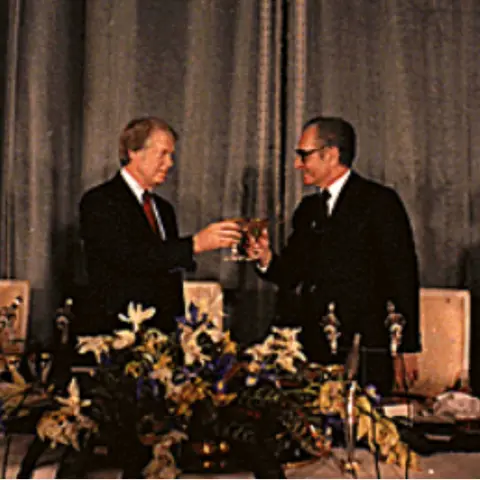
This gallery of photos, maps, and other images adds to our "The U.S. and Iran: What Went Wrong?" audio series about how America's relations with Iran – where the United States once was viewed as a refreshing alternative to predatory imperial powers and some Americans even became heroes of the Iranian people – degenerated into the decades-long era of deep hostility that persists today. We expand the gallery as the series continues – and sometimes after it has concluded – and add links to episodes as they drop. So check back here from time to time, follow along in the gallery as you listen to the series, and enjoy a more immersive experience as you get better acquainted with the people, events, and locales we discuss.
This is Part Two of the gallery, and includes images that support Episode 505: The Coup That Changed Everything and will support later episodes in the series.
For Part One of the gallery, which supports Episode 501: The Third Way, Episode 502: Meet the Pahlavis, Episode 502: Meet the Pahlavis, and Episode 504: The Mosaddegh Hour, click here.
NOTE: All images are in the public domain unless otherwise indicated.
******
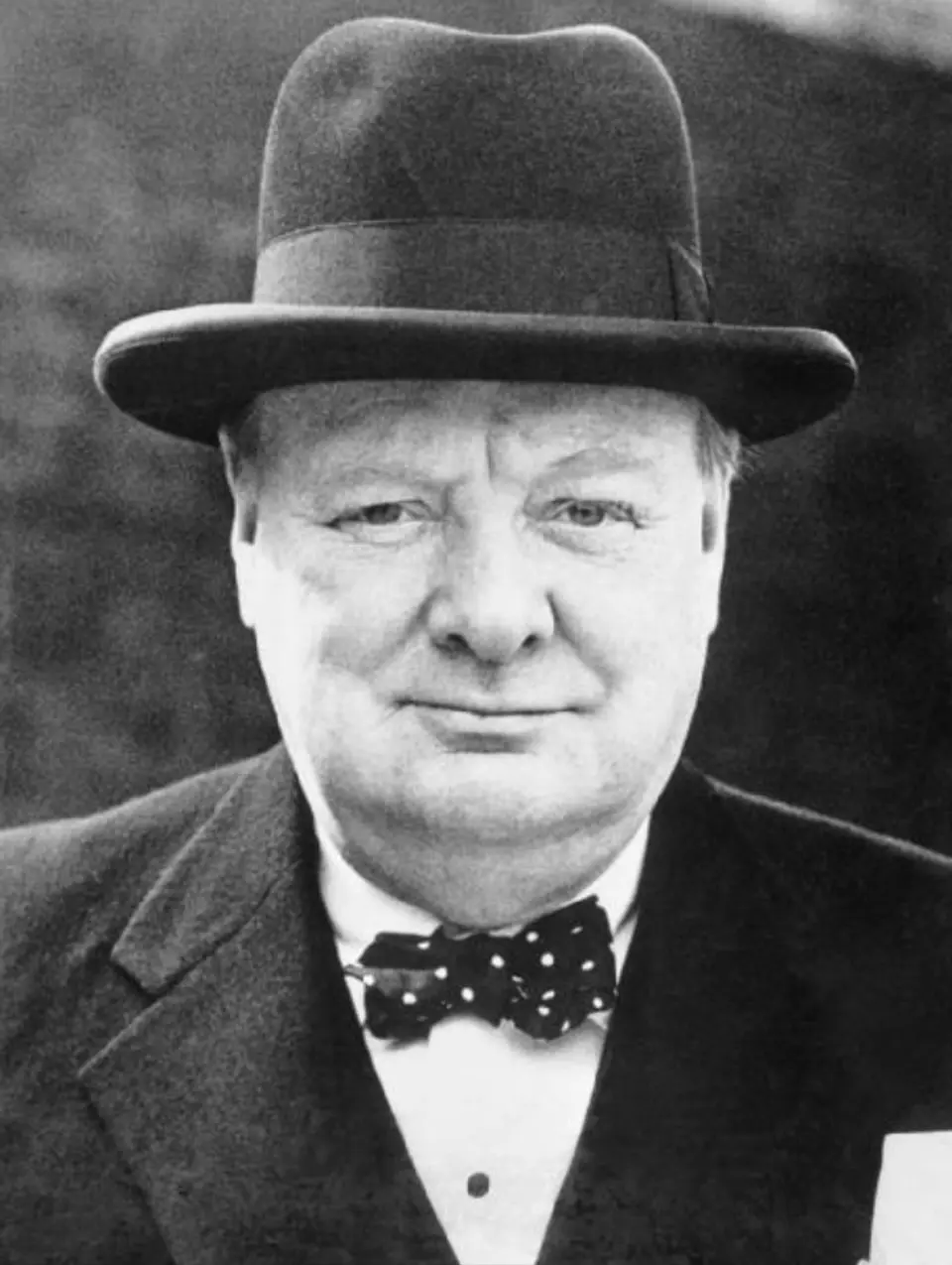
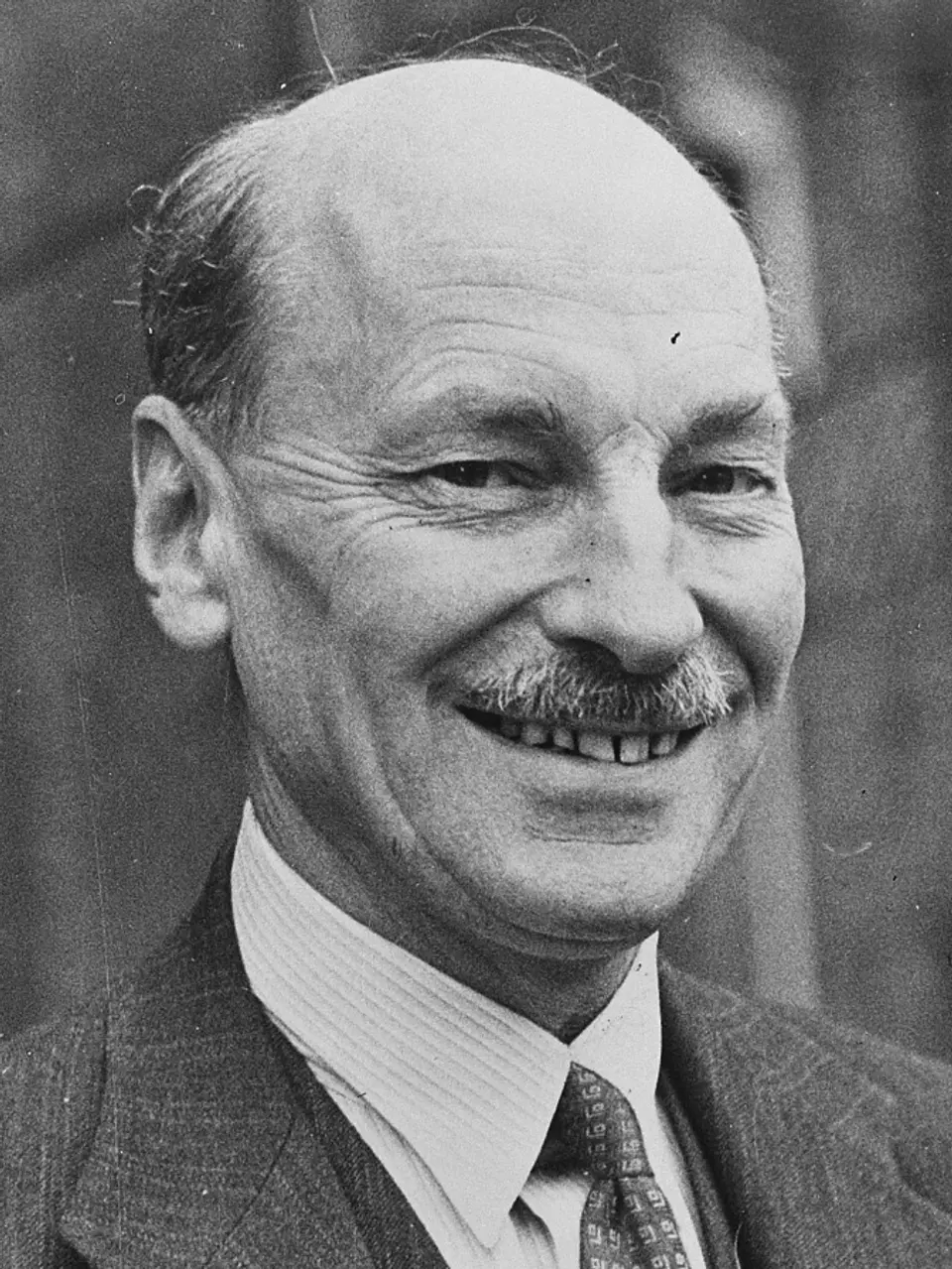
After six years as leader of the opposition, Winston Churchill (1874–1965), left, became the United Kingdom's prime minister for a second time in 1951. He succeeded Clement Attlee (1883–1967), right. Churchill sought to preserve the British Empire, including the privileges of the Anglo-Iranian Oil Company. (Episode 505: The Coup That Changed Everything)
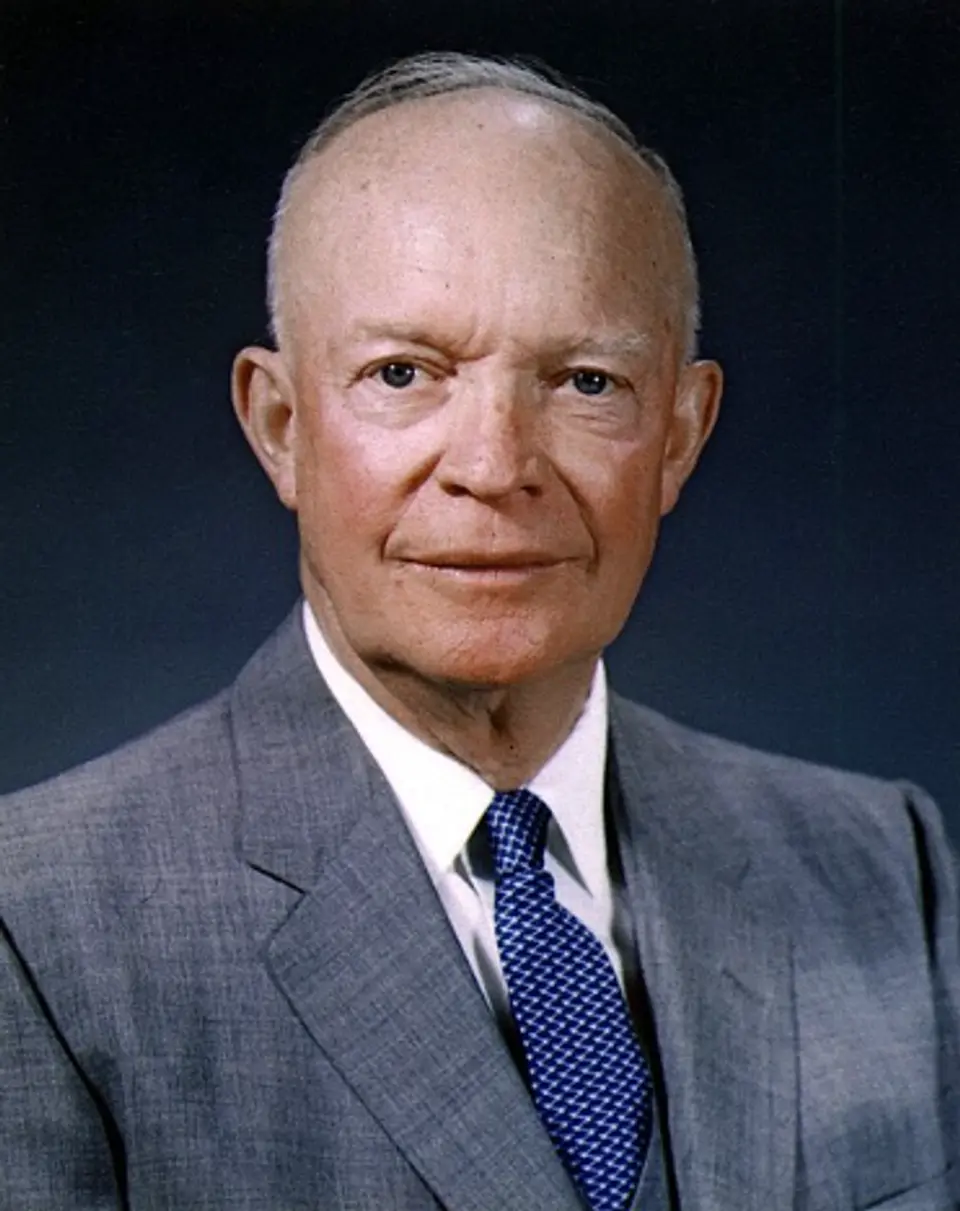
Dwight D. Eisenhower (1890–1969) took office as president of the United States on January 20, 1953. His predecessor Harry Truman had taken a patient position of non-interference in Iranian affairs, although late in his presidency he had become increasingly concerned about the possibility of the Soviet Union gaining influence in Iran — and perhaps even control of the country via Iran's communist Tudeh Party. After Eisenhower became president, U.S. foreign policy focused on containing communism as its top priority during the Cold War with the Soviet Union, with little regard for the particular circumstances in countries such as Iran. But he also sought to reduce expenditures on military forces by focusing U.S. strategy on nuclear deterrence and covert operations. (Episode 505: The Coup That Changed Everything)
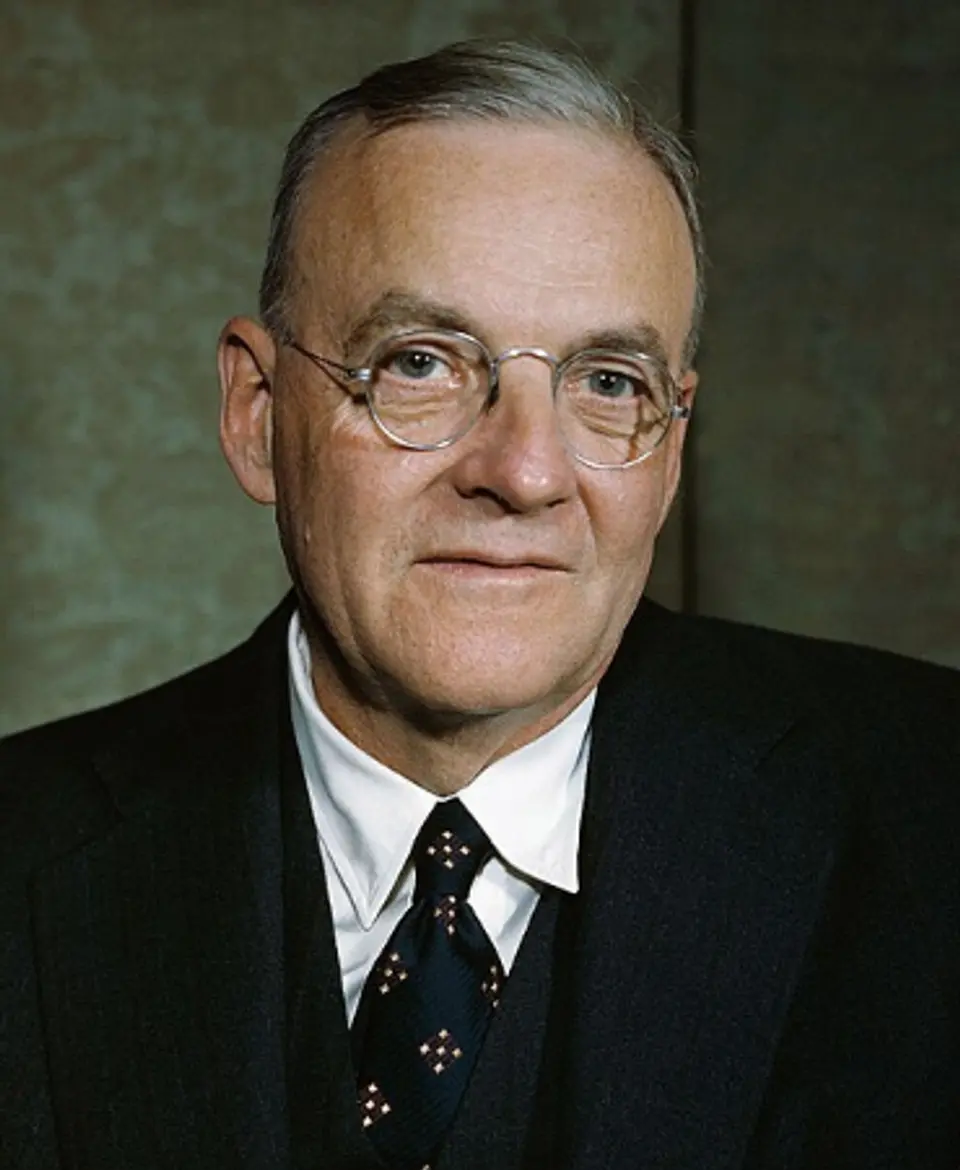
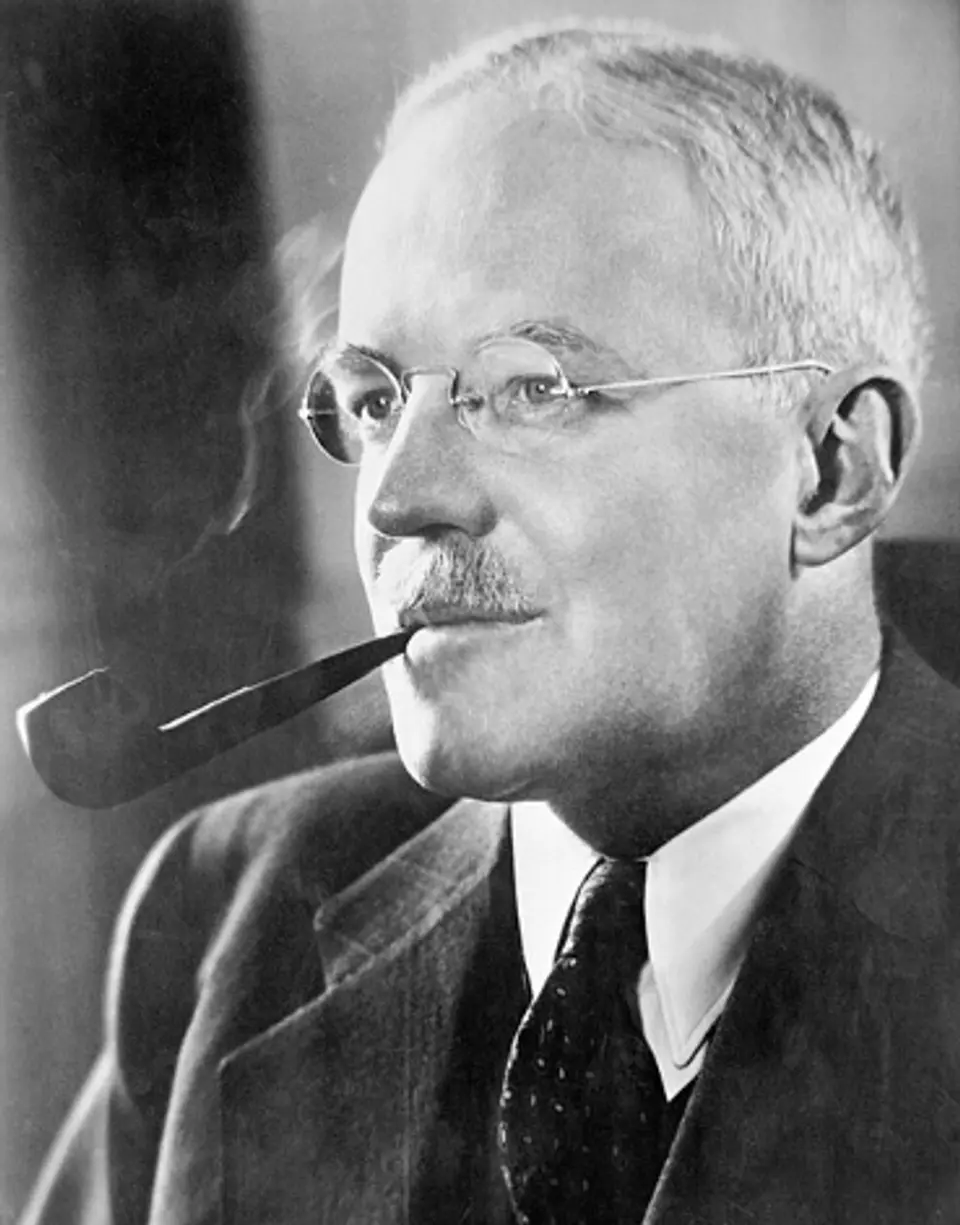
Under Eisenhower, John Foster Dulles (1888–1959), left, became secretary of state, and his brother Allen Dulles (1893–1969), right, became director of the Central Intelligence Agency. With a background in corporate law, the two men deeply prized private property rights, which they viewed as fundamental to the success of Western civilization, and they saw the nationalization of industries by developing countries as a direct threat to that civilization. (Episode 505: The Coup That Changed Everything)
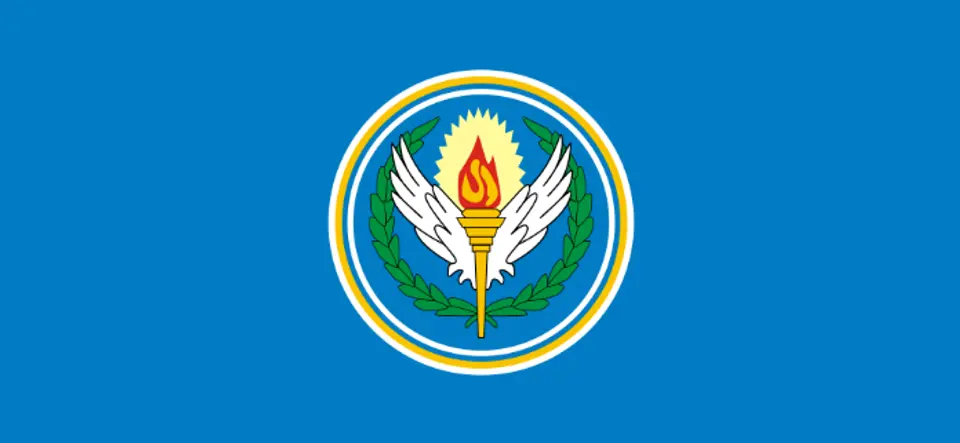
The flag of the Central Treaty Organization (CENTO), one of the regional alliances — alongside the North Atlantic Treaty Organization (NATO) and the Southeast Asia Treaty Organization (SEATO) -- established to contain the Soviet Union during the Cold War. The United States was the architect of the organization, which was created in 1955 and was known as the Baghdad Pact or the Middle East Treaty Organization (METO) until 1959. Iran was a member of the alliance. Faced with criticism from the pro-Israel lobby in Washington for any alliance with Islamic countries hostile to Israel's existence and from Islamic countries for its support of Israel, the United States did not join the alliance —limiting its involvement to participation in the alliance's military committee. (Episode 505: The Coup That Changed Everything)
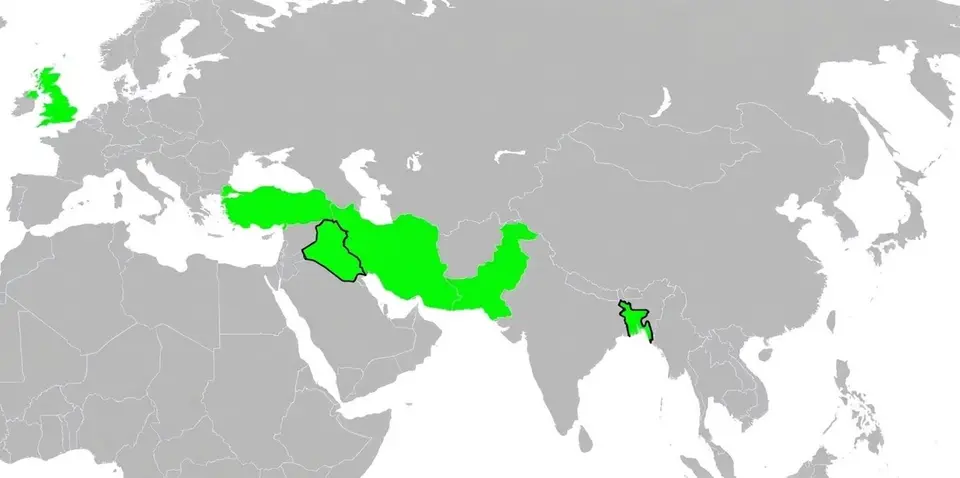
Green indicates the territory of the original five member states of the Baghdad Pact, or METO, upon its creation in 1955, namely the United Kingdom, Turkey, Iraq, Iran, and Pakistan. The alliance became known as CENTO in 1959, when Iraq (outlined in black at left) left the alliance to become non-aligned and establish warmer relations with the Soviet Union. In December 1971, Pakistan lost control of East Pakistan (outlined in black at right), which achieved independence as Bangladesh and thereafter was not part of CENTO. Lacking a unified military command structure, CENTO was the least successful of the anti-Soviet military alliances created by the United States, and what remained of it was dissolved in March 1979 after the Islamic Revolution in Iran. (Map modified from a Wikimedia Commons image created by Little Professor, licensed under the Creative Commons CC0 1.0 Universal Public Domain Dedication.) (Episode 505: The Coup That Changed Everything)
Upcoming Episodes!