Image Gallery (Part Two) for "A Christian Nation?" (Episodes 305–306)
This gallery of photos, maps, and other images add to our "A Christian Nation?" audio series about whether the United States was founded as a Christian nation. We expand the gallery as the series continues – and sometimes after it has concluded – and add links to episodes as they drop. So check back here from time to time, follow along in the gallery as you listen to the series, and enjoy a more immersive experience as you get better acquainted with the people, events, and locales we discuss.
NOTE: All images are in the public domain unless otherwise indicated.
This is Part Two of the gallery, and includes images that support Episode 305: The Awakenings and Episode 306: Facts and Fiction.
For Part One of the gallery, which supports Episodes 301 through 304, click here.
******
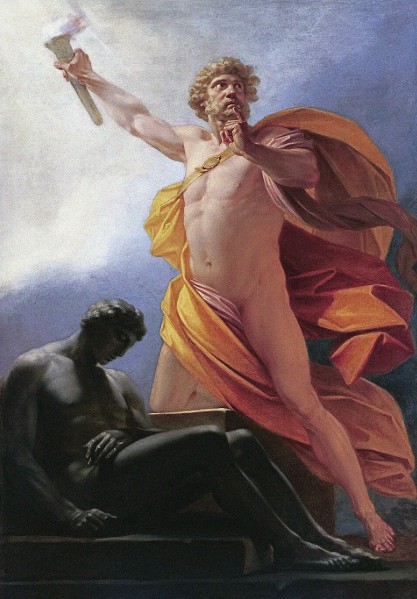
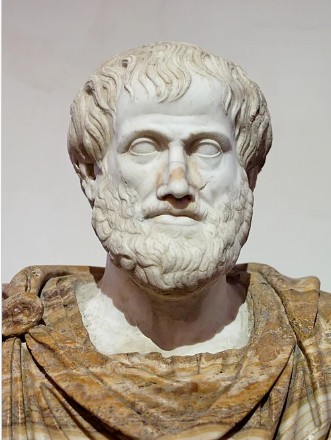
The Ancient Greeks developed two modes of human understanding and explanation of the world around them, mythos and logos. Mythos refers to story, myth, and narrative — the symbolic, emotional, and imaginative way humans make sense of existence. It deals with meaning, origins, and the sacred through allegory and tradition rather than literal fact. Myths were not meant to be "true" in a historical sense, but rather to convey deeper truths about the human condition. Logos refers to reason, logic, and rational discourse — the analytical mode of thinking that seeks to explain reality through evidence, argument, and cause-and-effect. Logos became the foundation of philosophy and science. In ancient Greek thought, mythos and logos were complementary, but the tension between them — story vs. reason, feeling vs. analysis — has shaped Western intellectual history ever since, from the Presocratics through the Enlightenment to today's debates about science and religion. LEFT: In Greek mythology, the Titan Prometheus is credited with giving fire to mankind and sometimes with creating humanity out of clay — an example of mythos. RIGHT: In his Rhetoric, Aristotle (384–322 BC) described logos as argument from reason, one of the modes of persuasion. (Episode 305: The Awakenings)
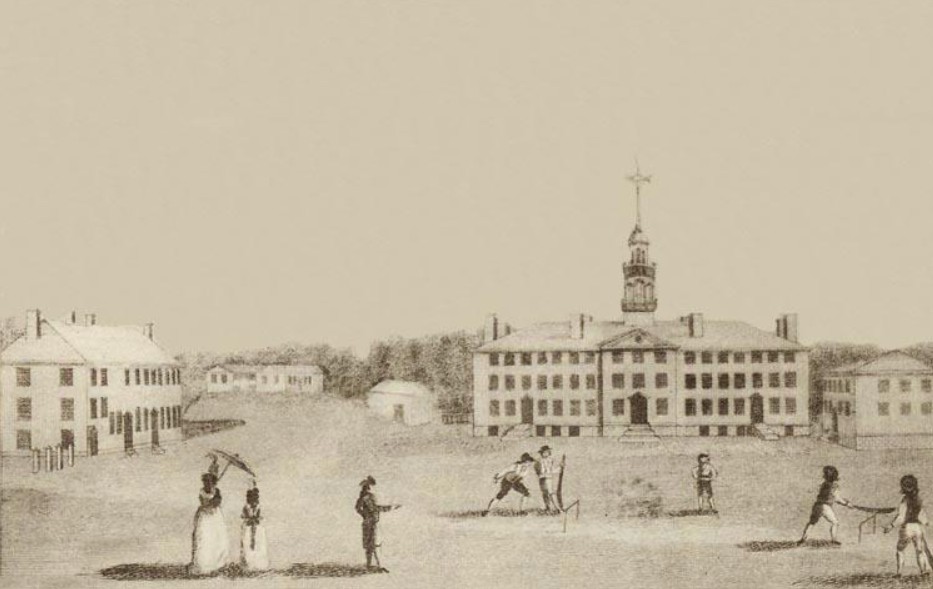
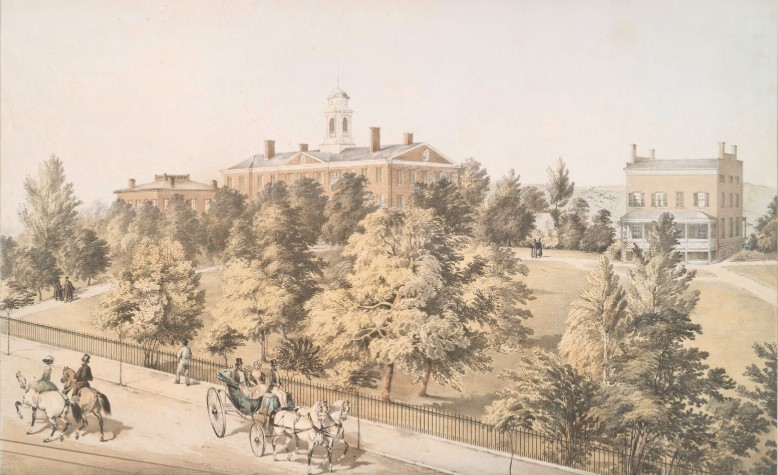
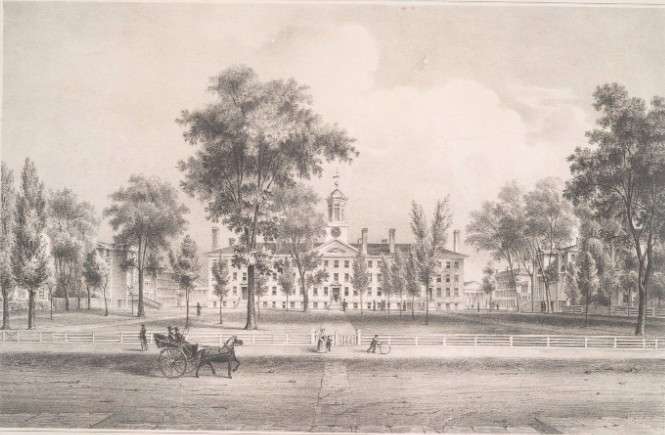
As a result of the First Great Awakening of the 1730s and 1740s, religiously oriented universities were founded in the American colonies during the 18th century. These included Dartmouth College, founded in New Hampshire in 1769, originally established to educate Native Americans in Christian theology and the Anglo-American way of life, but which primarily trained Congregationalist ministers during its early history; Queen's College (renamed Rutgers College in 1825), chartered in New Jersey in 1766 and originally affiliated with the Dutch Reformed Church; and the College of New Jersey (renamed Princeton University in 1896), founded by New Light Presbyterians in 1746. LEFT: Dartmouth College in 1793. CENTER: Queen's College in 1849. RIGHT: The College of New Jersey in 1837. (Episode 305: The Awakenings)
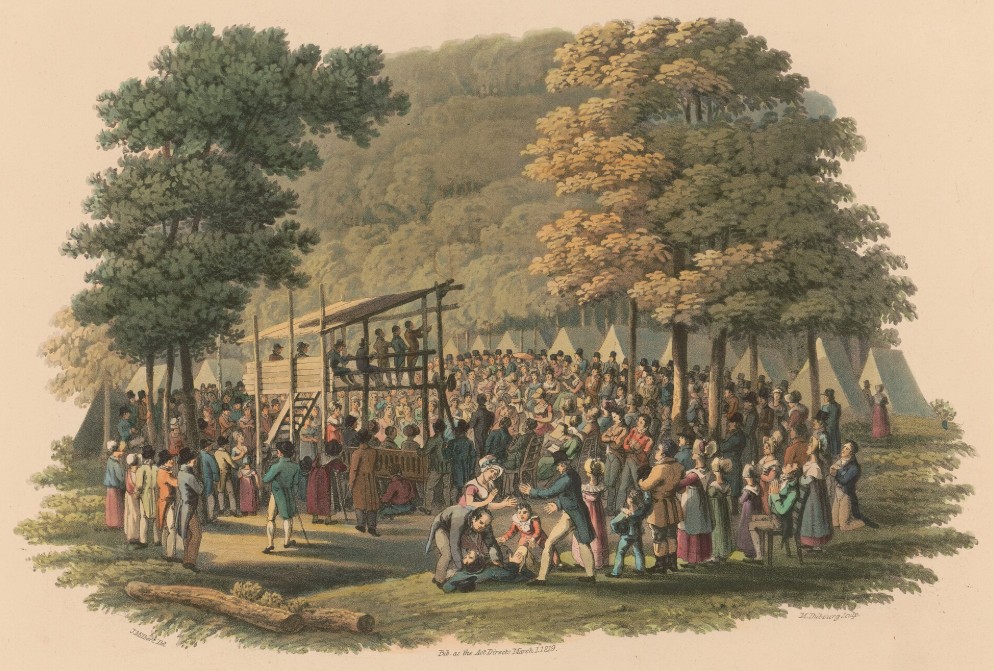
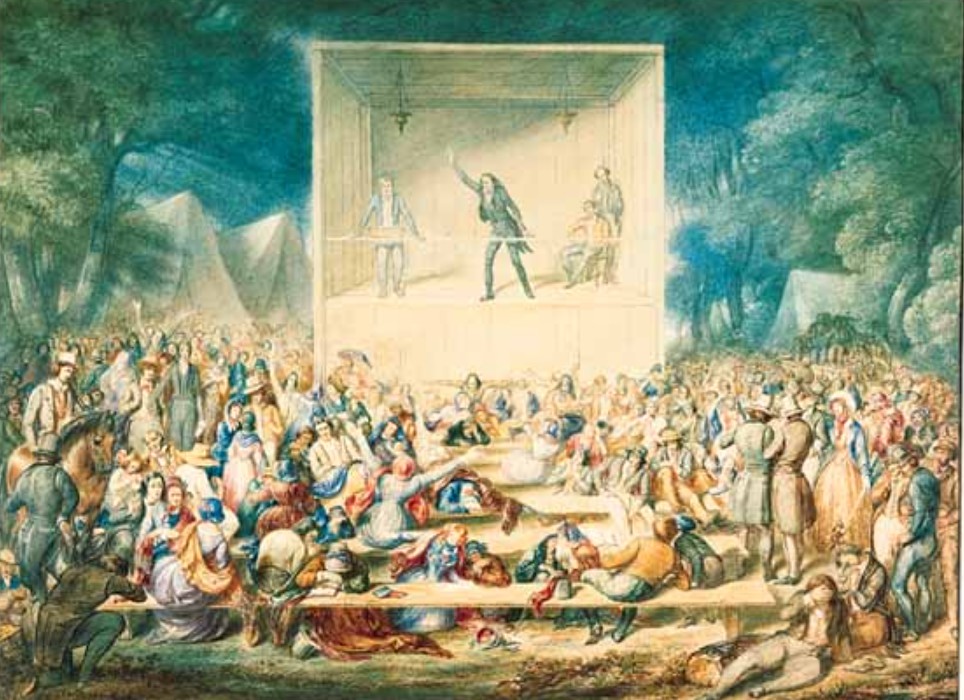
The camp meeting is a form of Protestant Christian evangelical religious service. Camp meetings were held for worship, preaching, and communion on the American frontier during the Second Great Awakening, of which they were an important component in the early 19th century. LEFT: An 1819 depiction of a Methodist camp meeting. RIGHT: An 1839 watercolor depicting a camp meeting.(Episode 305: The Awakenings)
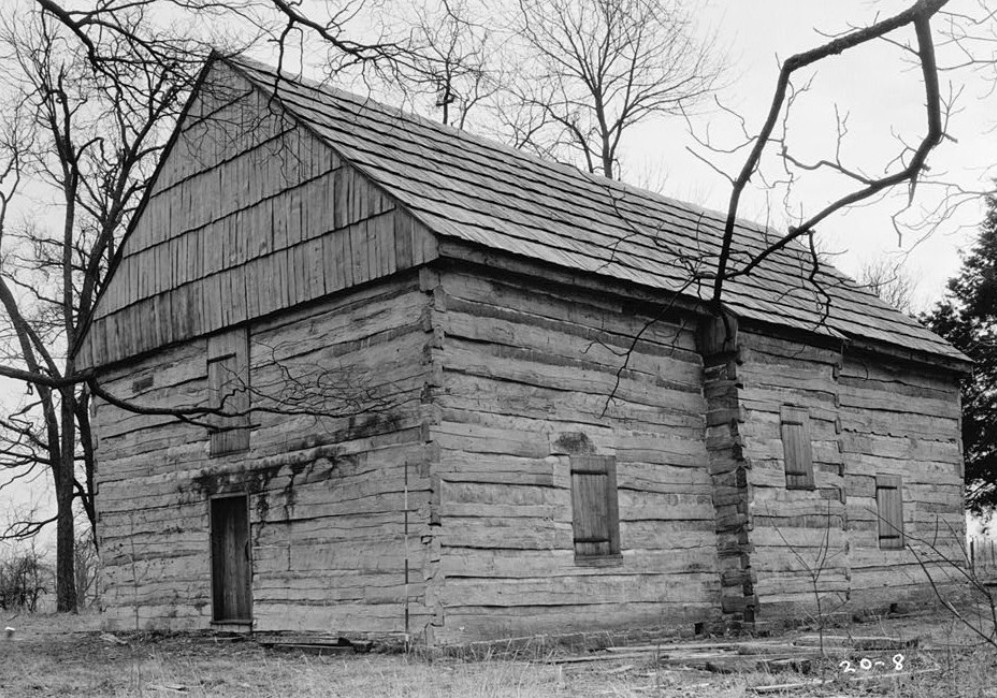
The Cane Ridge Meeting House in Cane Ridge, Kentucky, in 1934. The Cane Ridge Revival — the largest and most famous camp meeting of the Second Great Awakening — took place there in August 1801, with between 10,000 and 20,000 attendees. (Episode 305: The Awakenings)
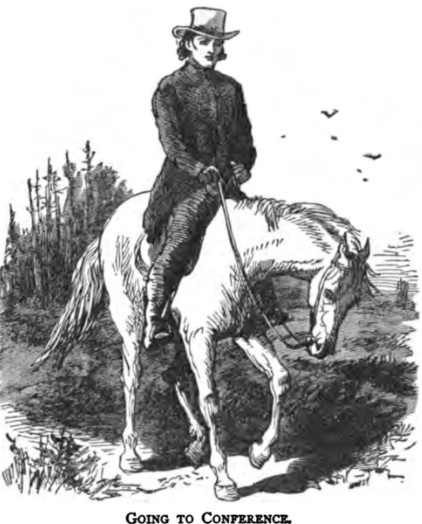
A Methodist circuit rider. Itinerant ministers actively spread the Christian ideas of the Second Great Awakening during the late 18th and early 19th centuries. (Episode 305: The Awakenings)
"Black Harry" Hosier (c. 1750 – May 1806) was a freedman and Methodist lay preacher who at Chapelton, Delaware, in 1784 became the first black person to deliver a sermon to a white congregation. It was a precursor to the Second Great Awakening, which had a leveling and democratizing effect on religion when it swept through the United States between the 1790s and about 1840. (Episode 305: The Awakenings)
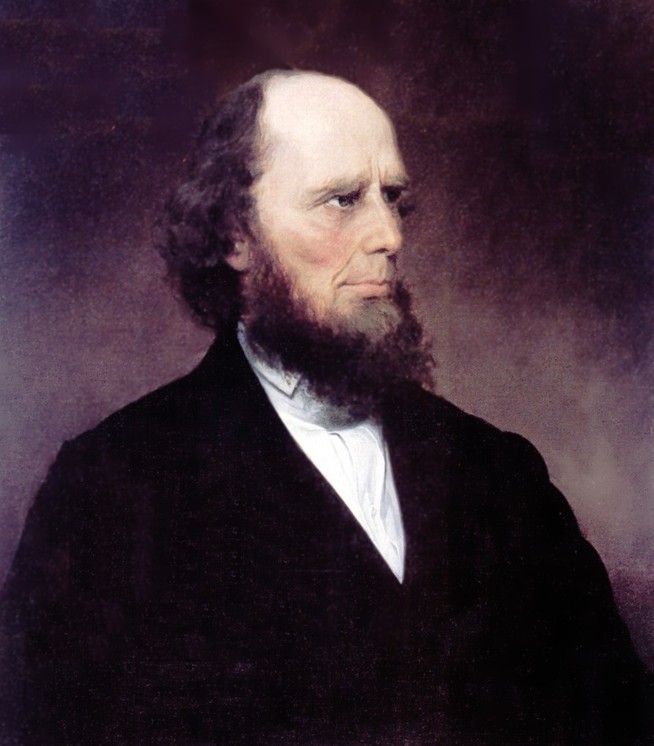
Charles Finney (1792–1875) was a Presbyterian minister and a leader of the Second Great Awakening who was part of the Holiness Movement, which teaches a belief in a spiritual "second act of grace" or "second blessing" in which God purifies a person’s heart, removing his or her inner desire to sin and filling him or her with the Holy Spirit. He became a faculty member at Oberlin College, which accepted students without regard to their race or sex, and served as its second president from 1851 to 1865. His religious views led him to promote social reforms such as abolitionism and equal education for women and African Americans, and he and the faculty and students at Oberlin were activists for abolitionism, the Underground Railroad, and universal education. (Episode 305: The Awakenings)
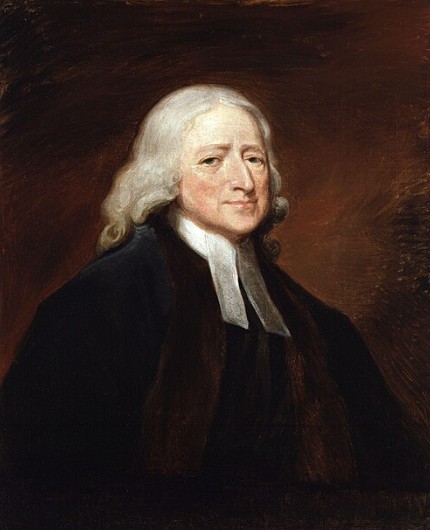
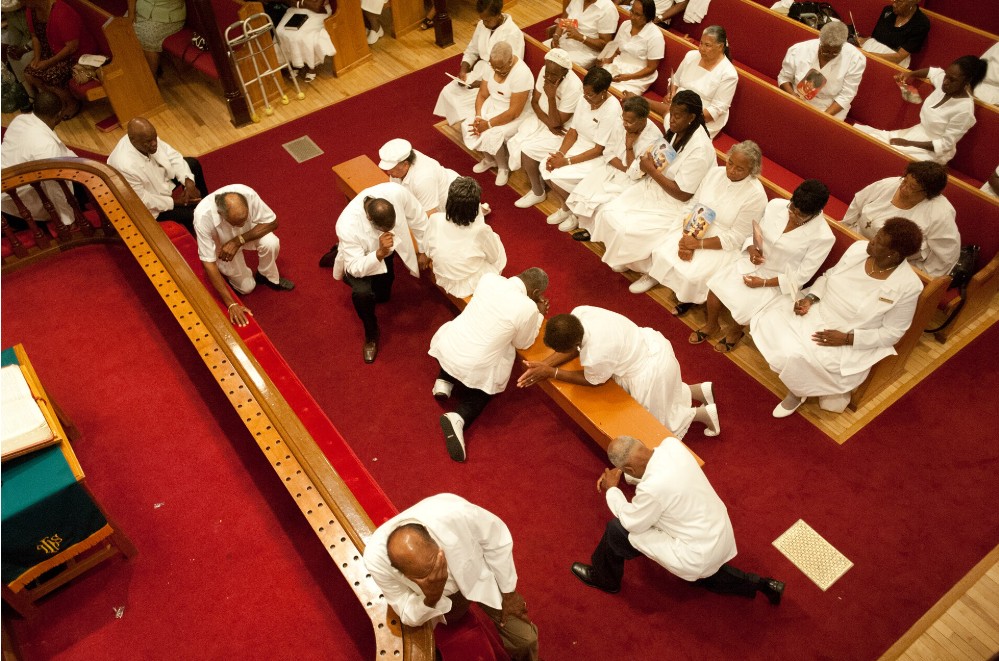
English cleric, theologian, and evangelist John Wesley (1703–1791) was the principal leader in the rise of Methodism during the First Great Awakening of the 1730s and 1740s. He instituted the practice of the "anxious bench," a pew at the front of Methodist churches at which believers receive spiritual counsel from a Christian minister and experience the "two works of grace" in Methodism, i.e., the "New Birth" and "entire sanctification." Some ("backsliders") use the bench to confess, repent of their sins, and receive forgiveness from God in order to continue the process of sanctification. (Wikimedia Commons photo of an "anxious bench" by Edwin Remsberg, licensed under the Creative Commons Attribution-Share Alike 4.0 International license) (Episode 305: The Awakenings)
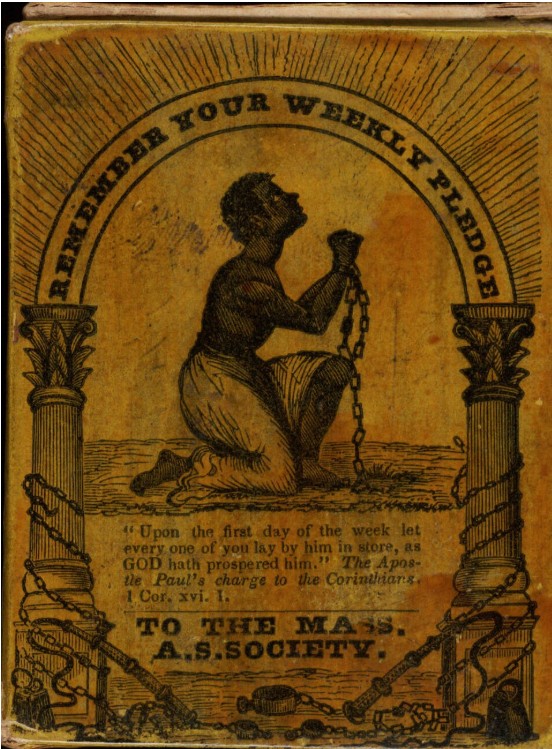
The Second Great Awakening fueled a range of reform movements in the United States, including abolitionism... (Episode 305: The Awakenings)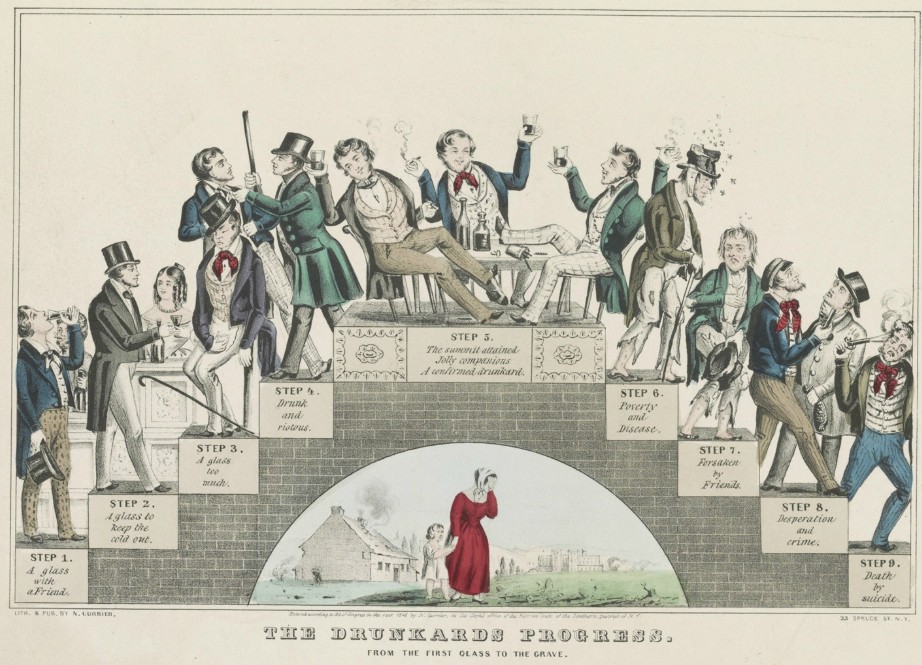
...temperance... (Episode 305: The Awakenings)
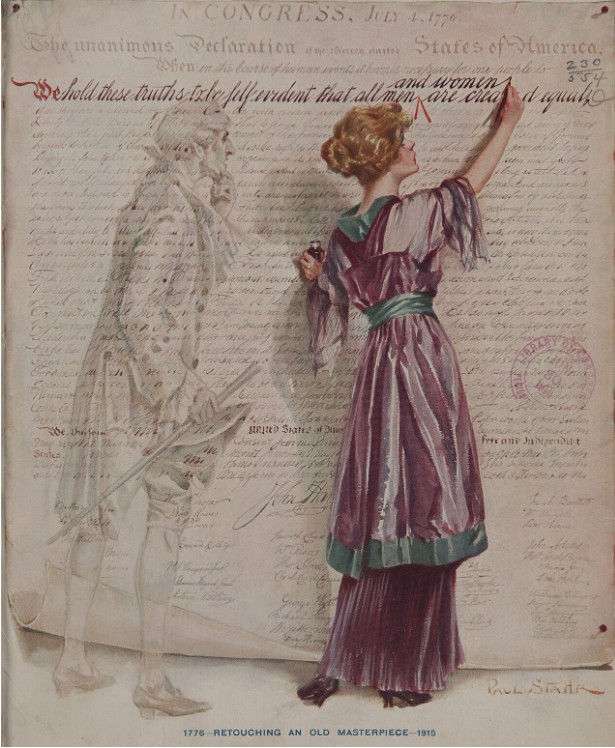
...women's rights... (Episode 305: The Awakenings)
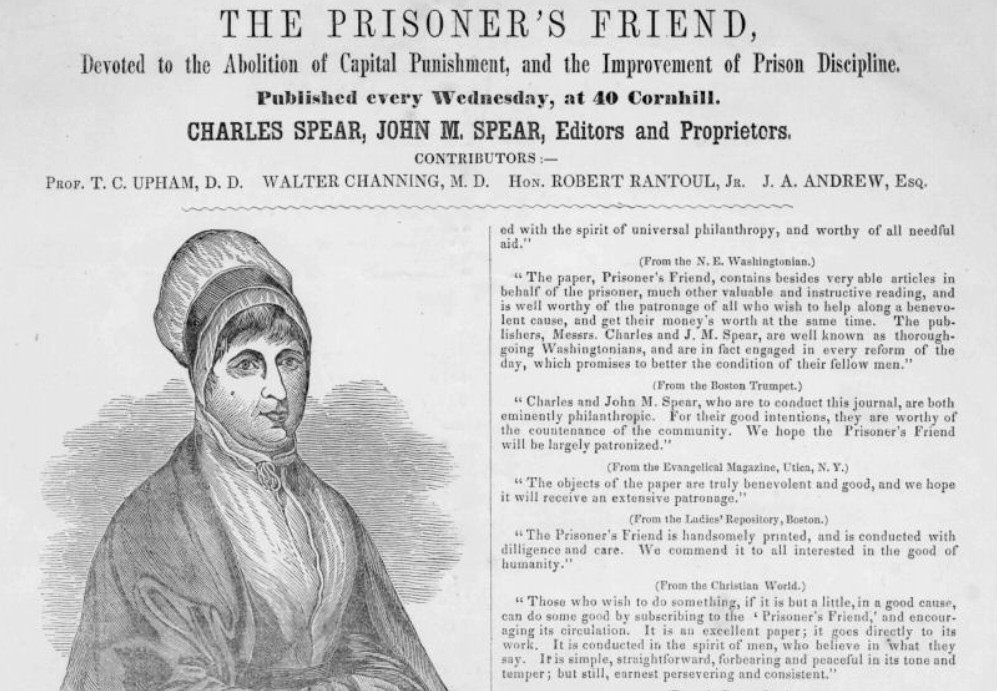
...and prison reform. (Episode 305: The Awakenings)
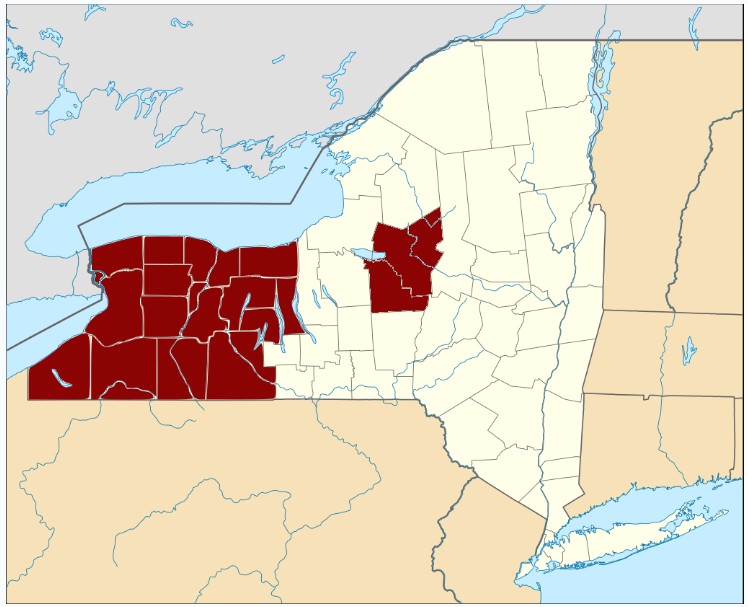
"Burned-over district" is a term that refers to Western New York and a portion of central New York noted as the places of origin of numerous Christian religious movements during the early 19th century. Describing religious fervor as having spread through the areas like a forest fire during the Second Great Awakening, Charles Finney referred to them as a "burnt district" in 1876, and this phrase subsequently evolved into "burned-over district." Studies in the latter part of the 20th century concluded that religiosity in the "burned-over district" actually was no greater than elsewhere in America in the early 19th century, but scholars also have concluded that during the Second Great Awakening the area nonetheless made an outsize contribution to America's religious and social life. (Wikimedia Commons image by Burnedover, licensed under the Creative Commons Attribution-Share Alike 4.0 International license) (Episode 305: The Awakenings)
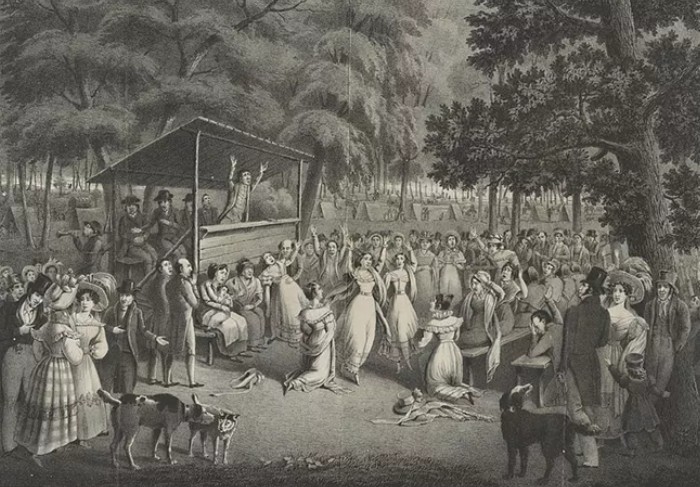
A Christian preacher speaks to a predominantly female audience in a rural setting, ca. the 1840s. The majority of converts during the Second Great Awakening were women, who found greater agency, status, and power for themselves in the movement, which also tended to emphasize social behaviors and policies of greater interest and higher priority to women than to men of the era. (Episode 305: The Awakenings)
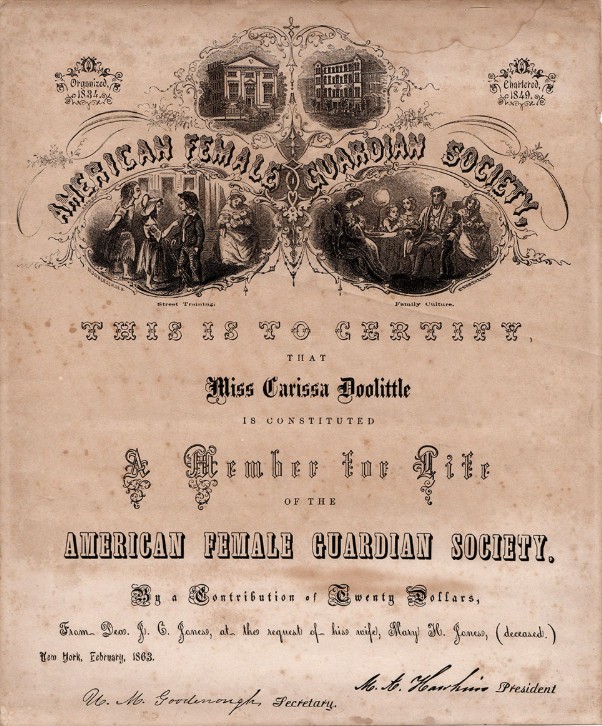
Reform societies dominated by women arose during the Second Great Awakening and subsequently advocated social reform in the United States. In February 1863, Miss Carissa Doolittle received this certificate indicating her acceptance as a member for life of the American Female Guardian Society. The organization was incorporated in New York City in 1849 and dedicated itself to rescuing homeless children and finding them country homes in Christian families, providing shelter for indigent women and helping them to find employment, and educating women and children living in slums. (Episode 305: The Awakenings)
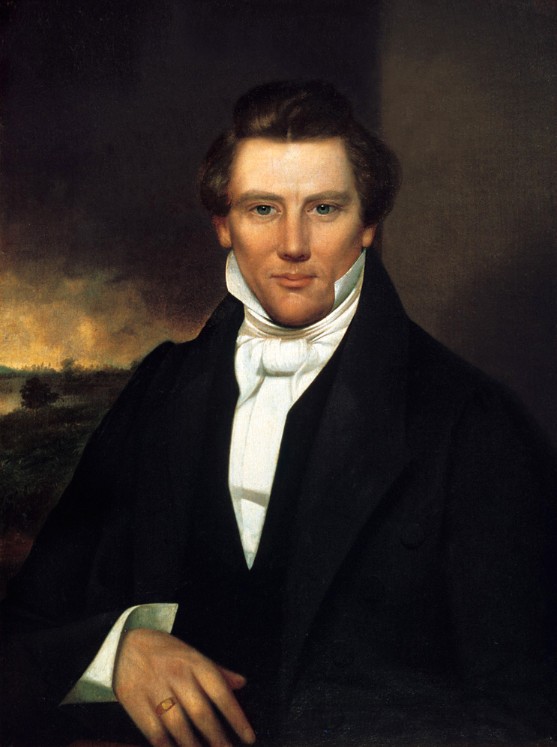
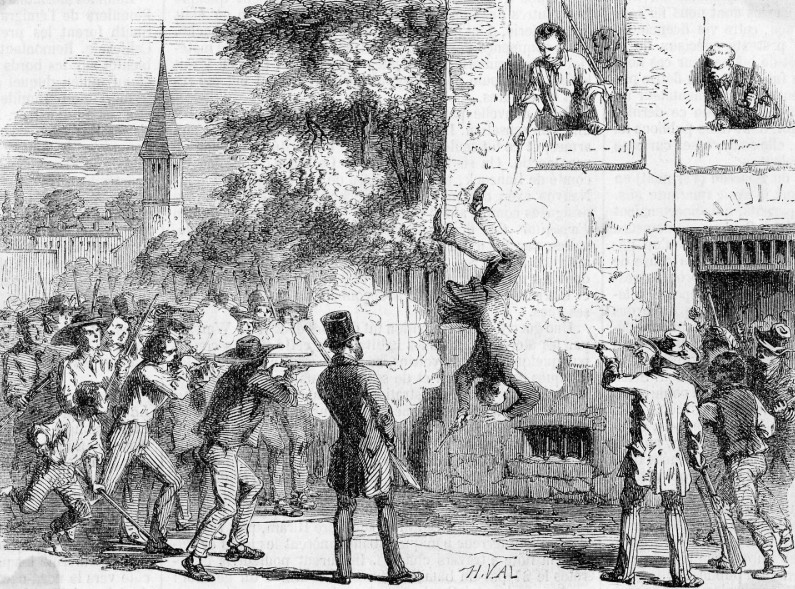
The Second Great Awakening saw the rise of many new Christian faith traditions in the United States during the early 19th century. One of the most significant new religions was Mormonism, founded by Joseph Smith (1805–1844), left, in western New York in 1830. The Mormons migrated to Ohio, Missouri, and Illinois before Smith was murdered by a lynch mob in Carthage, Illinois, in 1844, right. (Episode 305: The Awakenings)
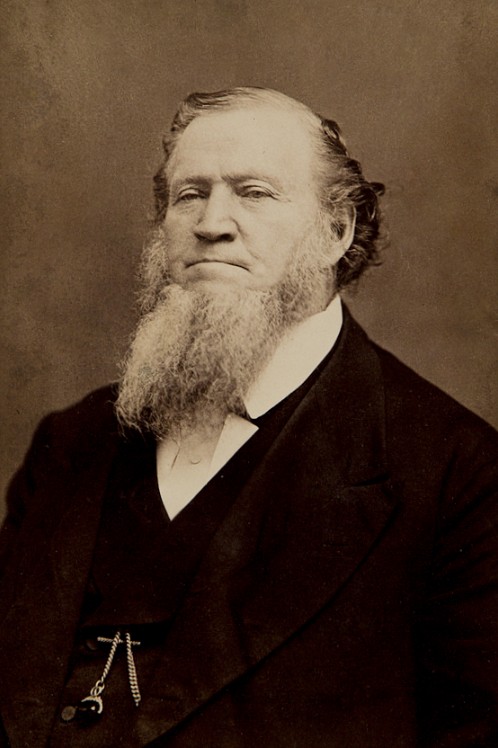
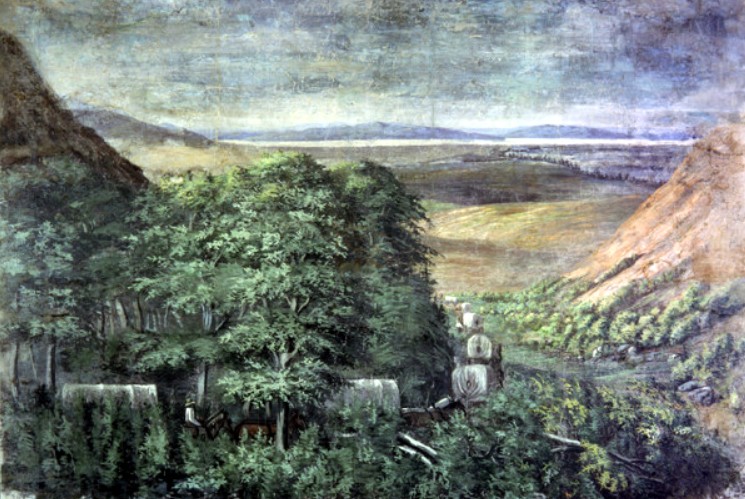
After Joseph Smith's death, the Mormons continued their migration under the leadership of Brigham Young (1801–1877) (left). In 1847, they arrived in the Salt Lake Valley in what is now Utah (right). They settled there, founding Salt Lake City. (Episode 305: The Awakenings)
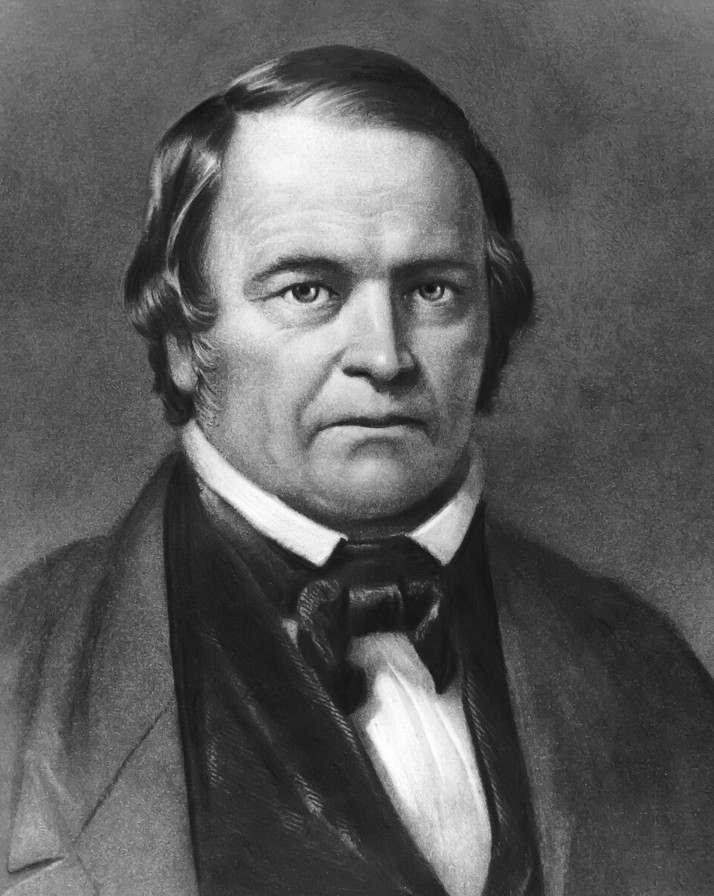
In 1831 in New York, William Miller (1782–1849) expressed his belief that the Second Coming ― or Second Advent ― of Jesus Christ was imminent, based on a biblical prophecy in Daniel 8 that Christ would engage in a "cleansing of the sanctuary," meaning He would return to cleanse the world from sin. Miller founded the Millerite movement ― originally a regional one which later spread to other parts of the United States and to Europe and Hawaii ― whose adherents believed in an imminent Second Coming. Williams never set an exact date for Christ's return, but under pressure from his followers eventually narrowed it down to sometime between March 21, 1843, and March 21, 1844. When this period passed without Christ's return, Millerite Samuel P. Snow (1806–1890) posited a return date of October 22, 1844, and many Millerites gave up their earthly possessions in preparation for it. This date also passed without the Second Coming ― leaving Millerites confused and disillusioned ― and became known as the Great Disappointment. Many Millerites abandoned their beliefs and joined other denominations. However, these events gave rise to the Seventh-Day Adventist Church, formally established in 1863 by a segment of the Millerites who decided that October 22, 1844, although misinterpreted as the date of the Second Coming, actually was the date of a heavenly event in which Christ began his final work of atonement ― the cleansing of the "heavenly sanctuary," not of earth ― in preparation for His return. (Episode 305: The Awakenings)
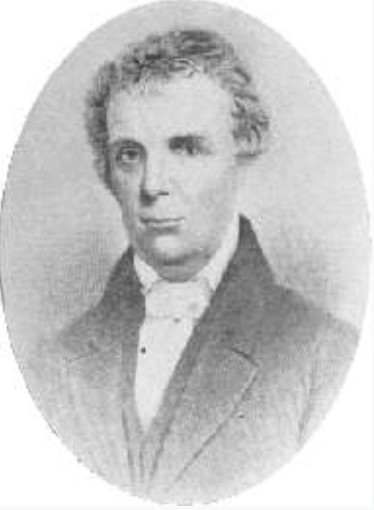
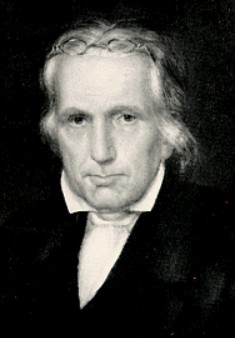
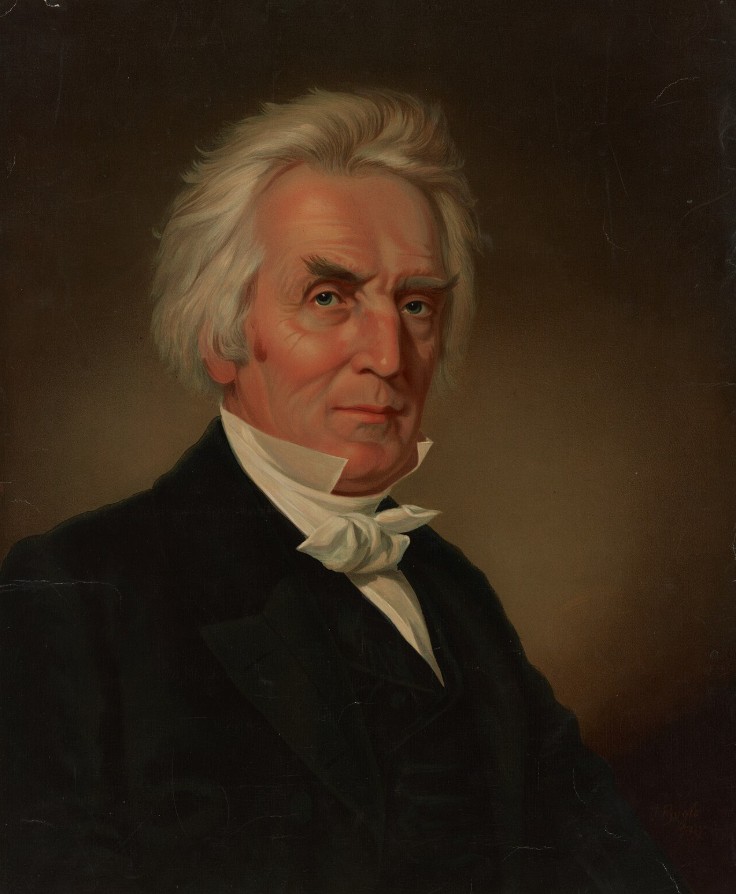
The Restoration Movement believed that creeds kept the Christian world divided, and it sought to abandon them and "restore" Christianity to a form of worship based on visible patterns outlined in the New Testament ― i.e., the character it had in the first century ―and unite all Christian denominations into a single church . The principal leaders of the movement were Barton Stone (1772–1844), left, Thomas Campbell (1763–1854), center, and his son Alexander Campbell (1788–1866), right. Stone founded the "Christian Church" at Cane Ridge, Kentucky, in 1804. The Campbells founded the "Disciples of Christ' in western Pennsylvania and western Virginia (now West Virginia) in 1809. The two movements merged in 1832 and gave rise to various later groups, including the Churches of Christ, the Christian Church (Disciples of Christ), and the Christian Church/Church of Christ. (Episode 305: The Awakenings)
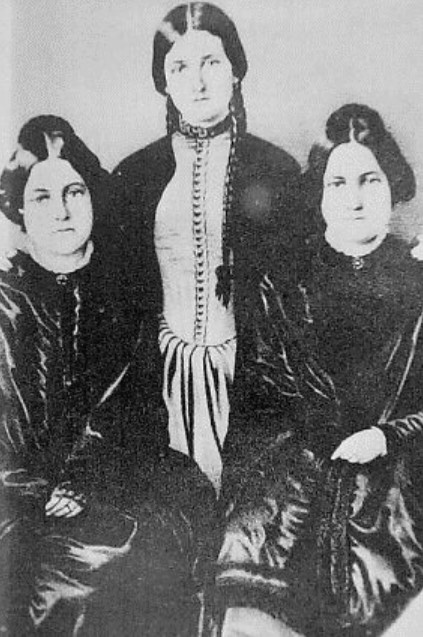
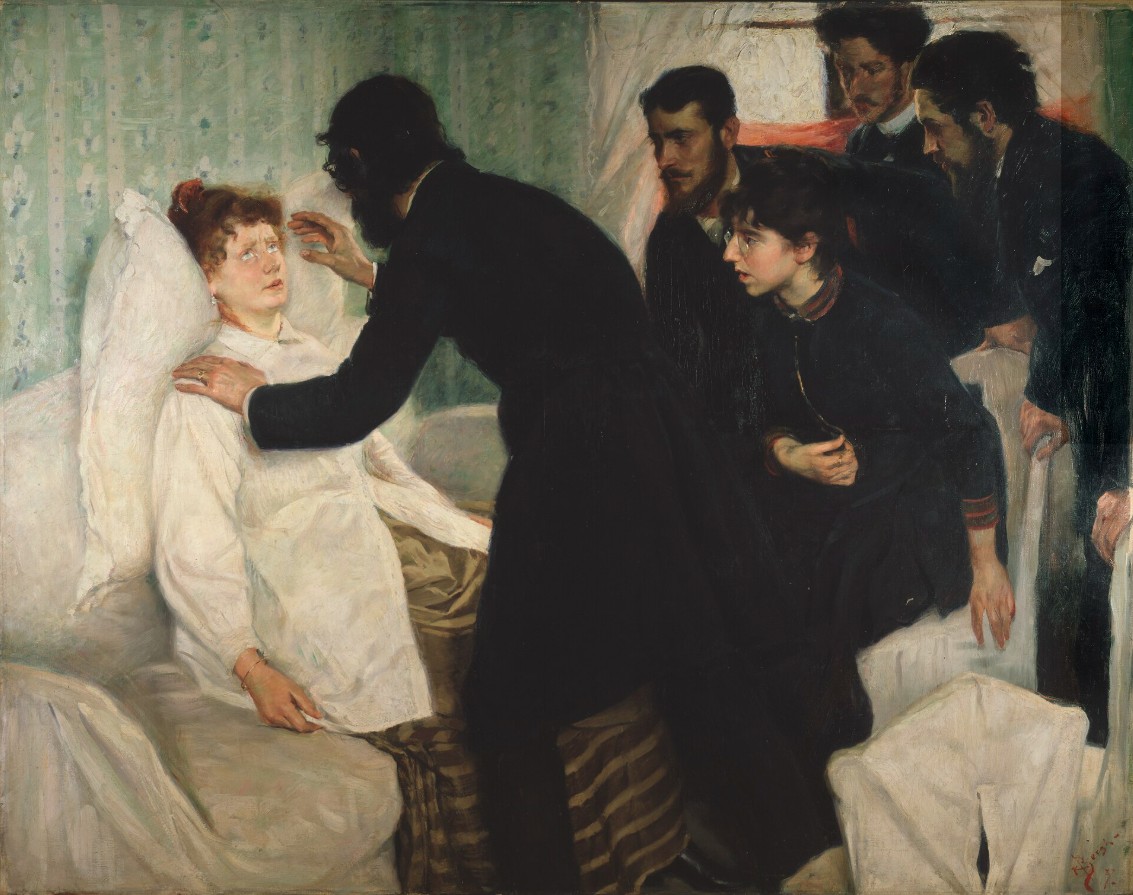
Spiritualism arose as part of the Second Great Awakening. It holds that an individual's awareness persists after death and that the living can contact the dead. Spiritualists see the afterlife as the "spirit world," a place where the spirits of the dead continue to evolve after death, becoming more advanced than the living. Spiritualists therefore believe that spirits can advise the living on morals, ethics, and the nature of God. Some spiritualists believe that specific spirits they call "spirit guides" can provide spiritual direction to specific living individuals. LEFT: Spiritualists often credit the three Fox sisters of Hydesville, New York — from left to right, Margaretta, also called Maggie (1833–1893), Catherine, also called Kate (1837–1892), and Leah (1813–1890) with founding spiritualism by claiming that Maggie and Kate had contact with a spirit on March 31, 1848. In 1888, the Fox sisters admitted that the 1848 incident was a hoax, but soon recanted that admission. RIGHT: An 1887 painting of a medium conducting a hypnotic séance, a formal session for communication with the dead. (Episode 305: The Awakenings)
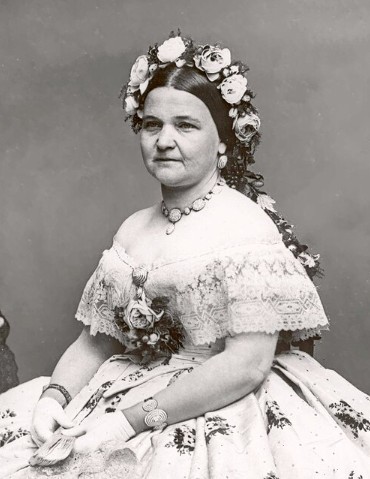
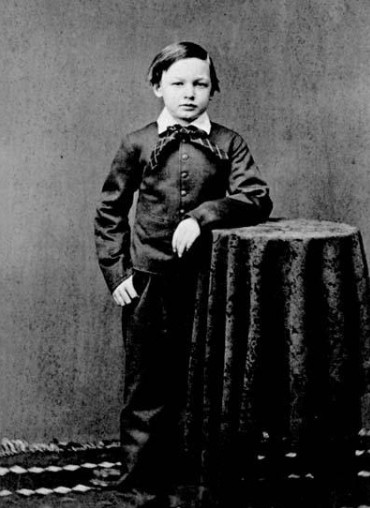
First Lady of the United States Mary Todd Lincoln (1818–1882), left, the wife of Abraham Lincoln (1809–1865), turned to spiritualism while in the White House, taking part in séances in the hope of contacting her late son Willie (1850–1862), right. (Episode 305: The Awakenings)
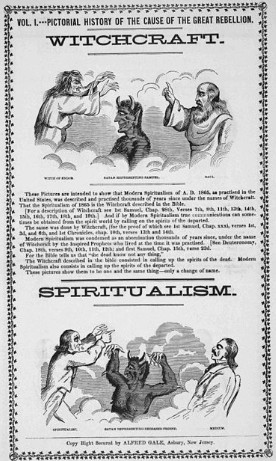
Some Christians viewed spiritualism as witchcraft. This 1865 broadside blamed the American Civil War (1809–1865) on spiritualism. (Episode 305: The Awakenings)
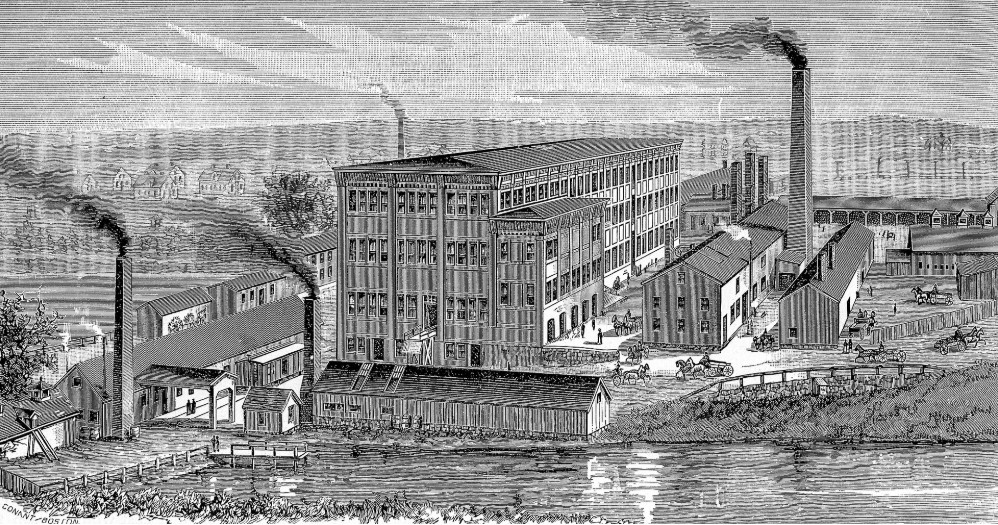
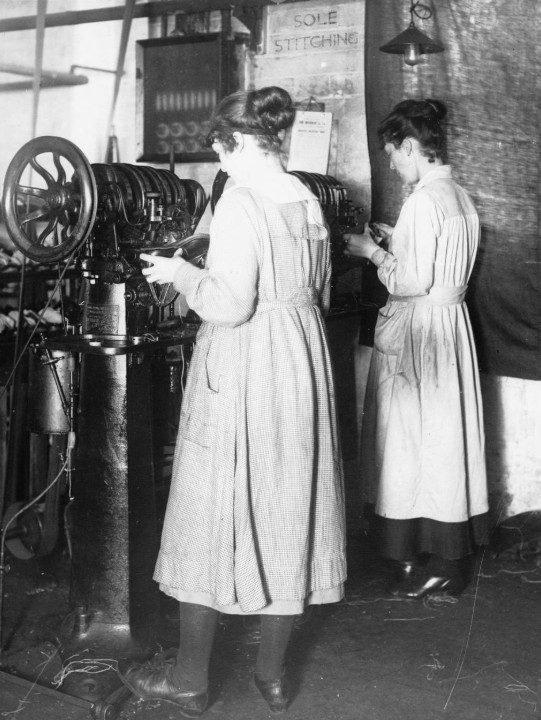
The Third Great Awakening took place between the late 1850s and the early 20th century, a period of great social and economic change in the United States. The Industrial Revolution, for example, pulled people away from a rural setting centered around farming to an urban one centered on manufacturing. For women, the advent of industrial machinery allowed them to work in an environment that deemphasized the importance of upper body strength. (Episode 305: The Awakenings)
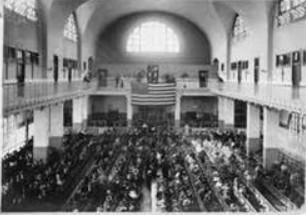
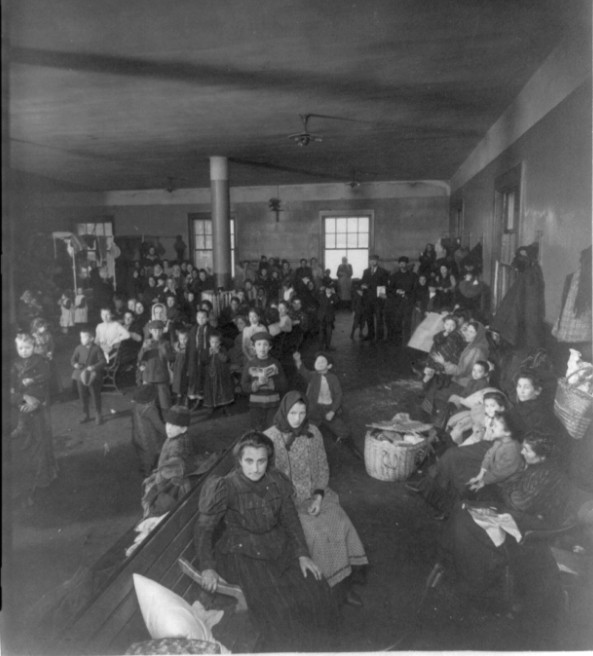
The huge influx of immigrants to the United States during the late 19th and early 20th century also was a source of socioeconomic and cultural change. (Episode 305: The Awakenings)

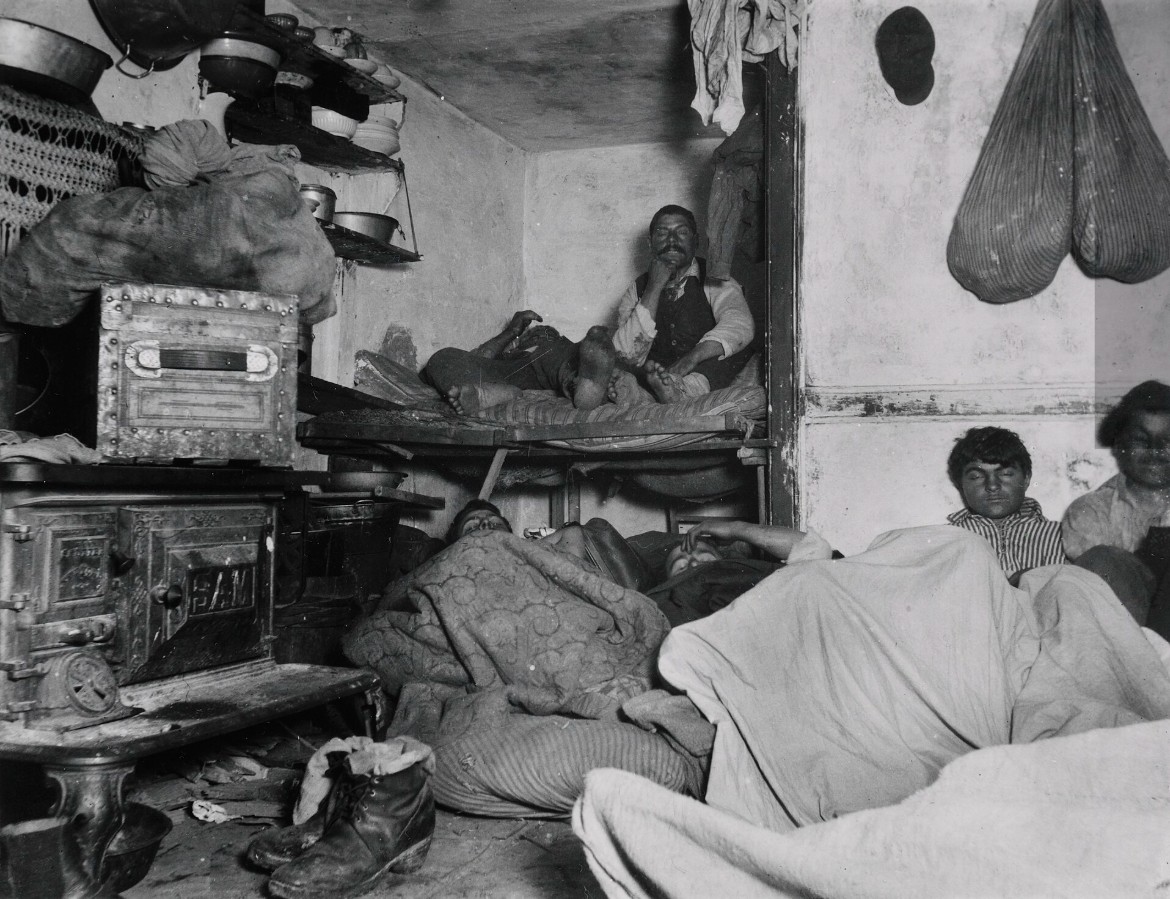
The Social Gospel movement of the Third Great Awakening argued that Christian ethics demanded activism to address social ills such as poverty, child labor, inequality, and urban squalor. LEFT: A girl works in a factory in South Carolina in December 1908. RIGHT: The interior of a New York City slum house, ca. 1890. (Episode 305: The Awakenings)
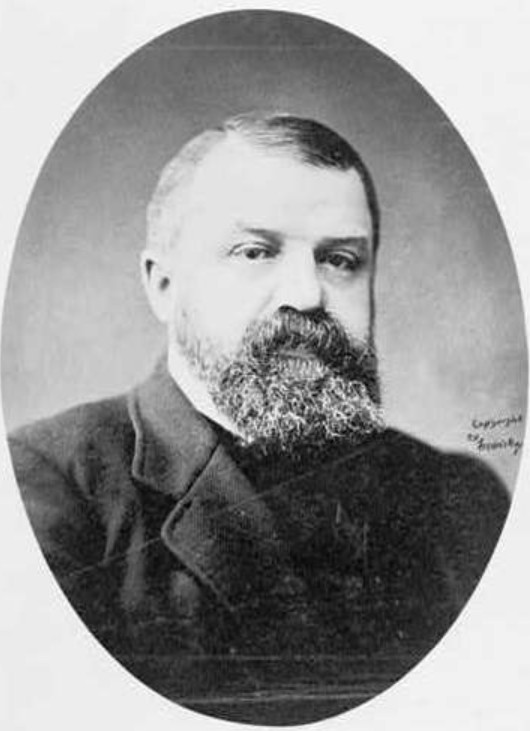
Dwight L. Moody (1837–1899) was a leading evangelist of the Third Great Awakening who drew large urban crowds in the 1870s and 1880s. (Episode 305: The Awakenings)
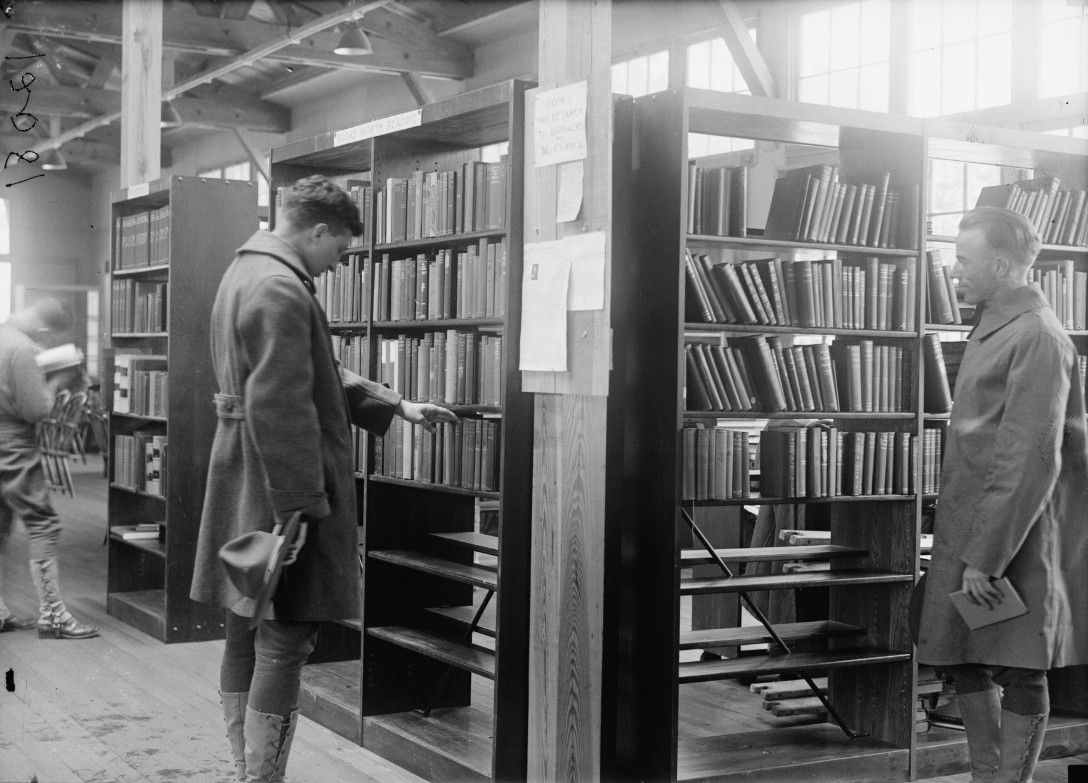
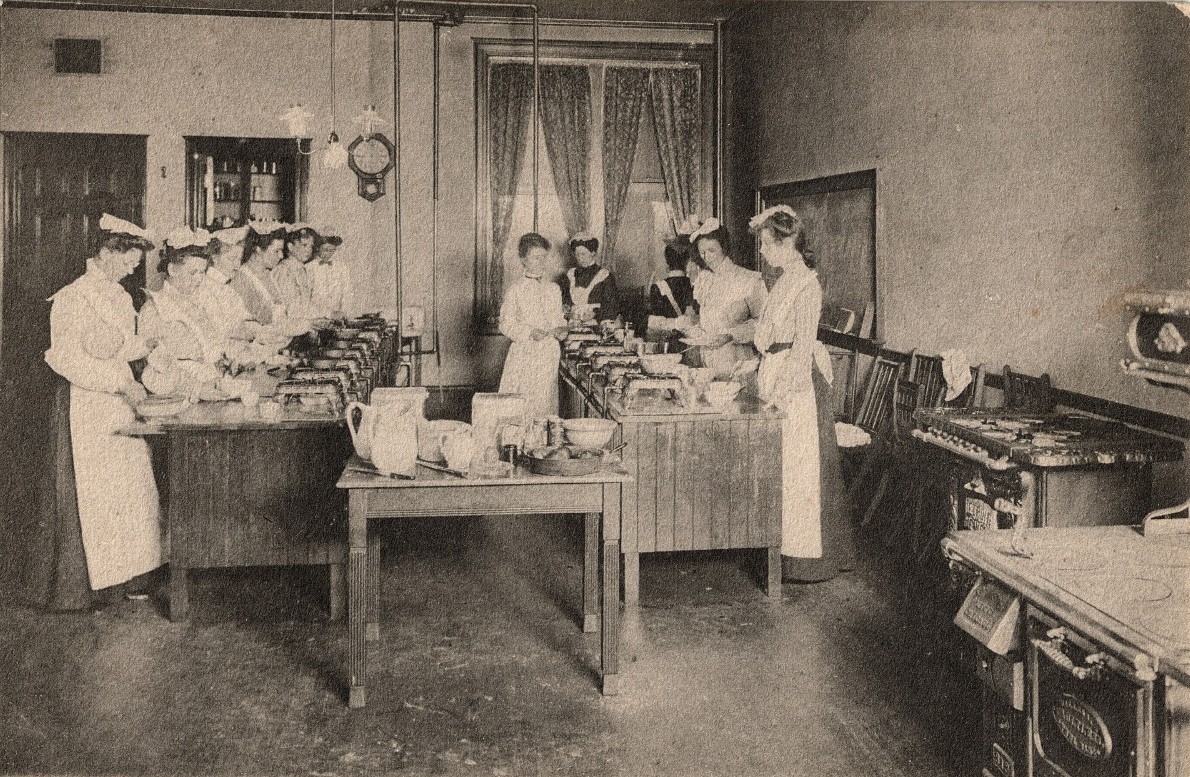
The Young Men's Christian Association (YMCA) and Young Women's Christian Association (YWCA) were Protestant Christian-oriented organizations that arose during the Third Great Awakening to promote and sponsor wholesome activities. LEFT: A YMCA in Charleston, South Carolina, in 1917. RIGHT: A YWCA "domestic science" kitchen in Minneapolis, Minnesota, ca. 1920. (Episode 305: The Awakenings)
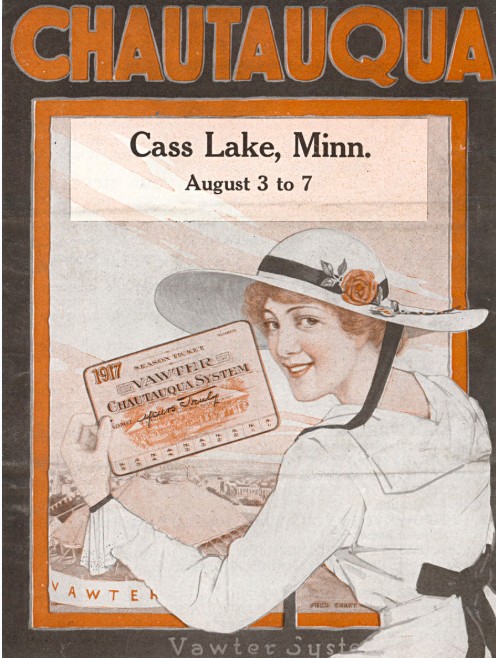
The Chautauqua movement was an adult education movement popular in the late 19th and early 20th centuries in rural America. Chautauquas were held in tents in outdoor settings and often included entertainment similar to what was found in vaudeville and circuses of the time. Methodists founded the Chautauqua movement, but from the outset Chautauquas were strictly nondenominational, and Catholics and Lutherans were among those who also took part. Christian instruction, preaching, and worship were important in Chautauquas, although the religiosity of Chautauquas varied widely — some had an atmosphere similar to that of a summer school, with a focus on speakers addressing secular topics, while others were distinctly more religious in content and some even had the character of a summer church camp. (Episode 305: The Awakenings)
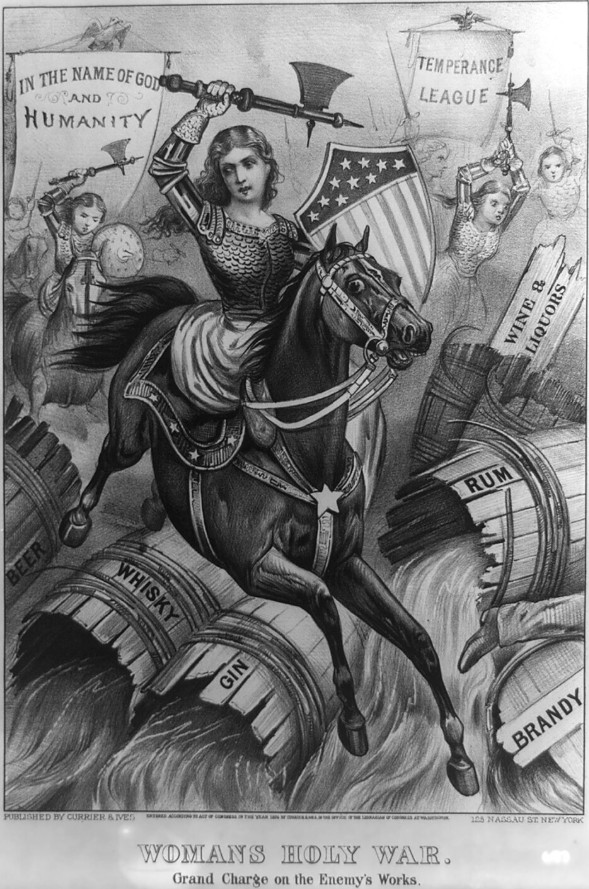
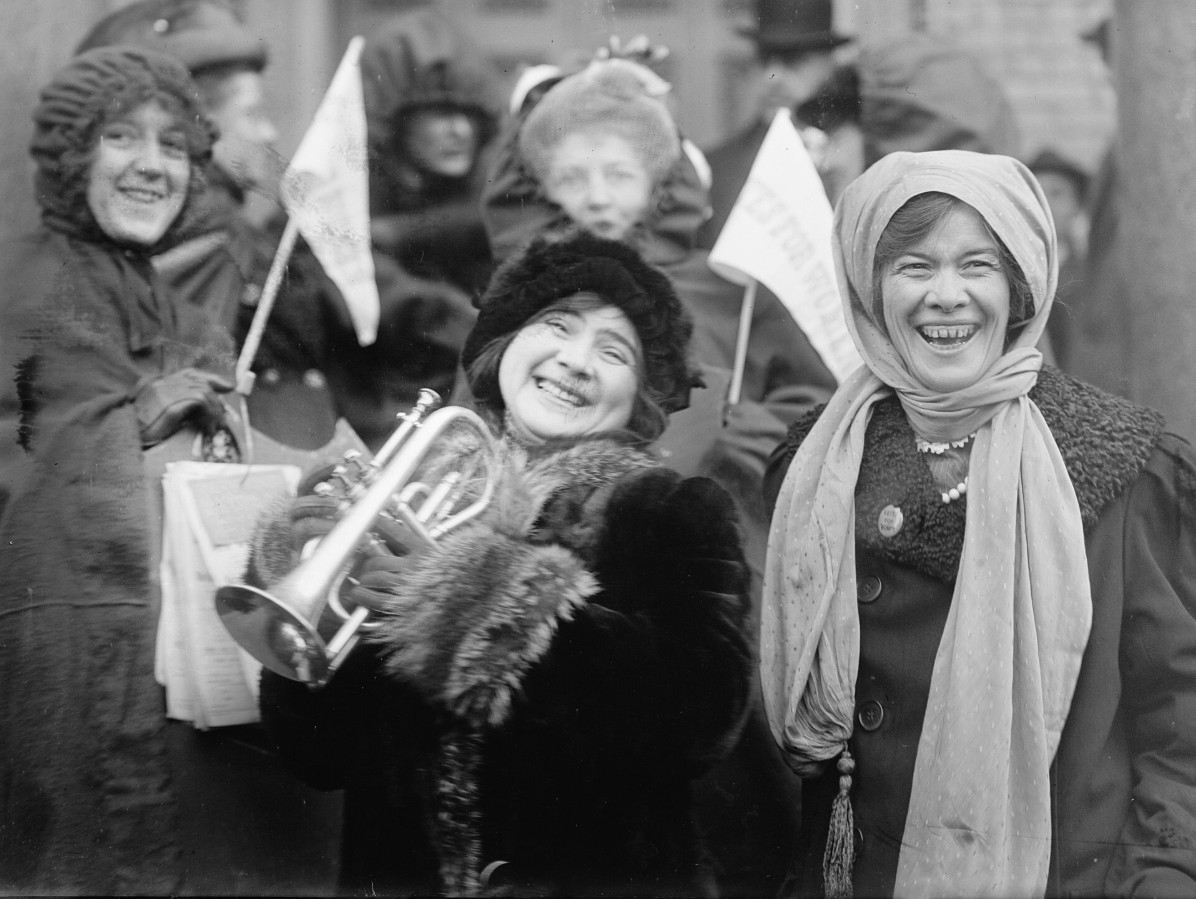
Elements of the Third Great Awakening such as the Social Gospel movement fueled the reforms of the Progressive Era in the United States, addressing such issues as temperance and women's suffrage in addition to poverty, child labor, inequality, and urban squalor. LEFT: An 1874 political cartoon depicting temperance campaigners as virtuous armored women warriors using axes to destroy barrels of beer, whisky, gin, rum, brandy, wine, and liqueurs under the banners of "In the name of God and humanity" and "Temperance League". The woman in the foreground bears the shield seen in the Seal of the United States, suggesting that temperance campaigners were motivated by patriotism. The shoe and pants leg of a fleeing male drunkard are at lower right. RIGHT: Women demonstrate for the right to vote in the United States in 1913. They did not receive the right to vote until the ratification of the 19th Amendment to the United States Constitution in August 1920. (Episode 305: The Awakenings)
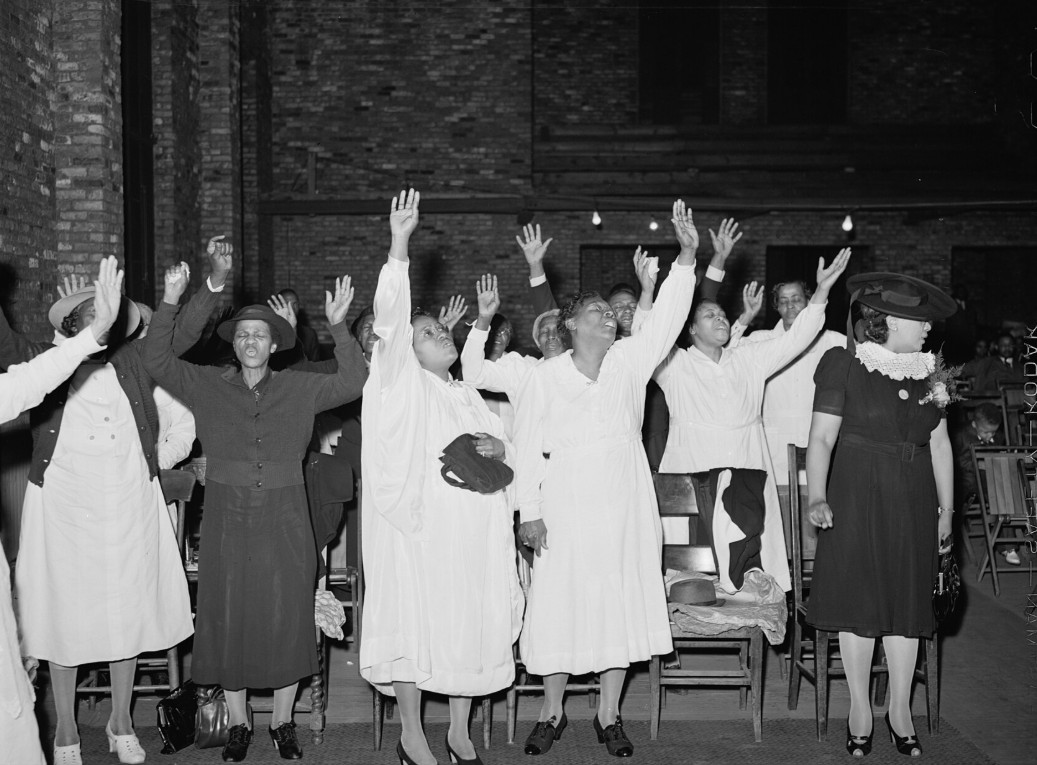
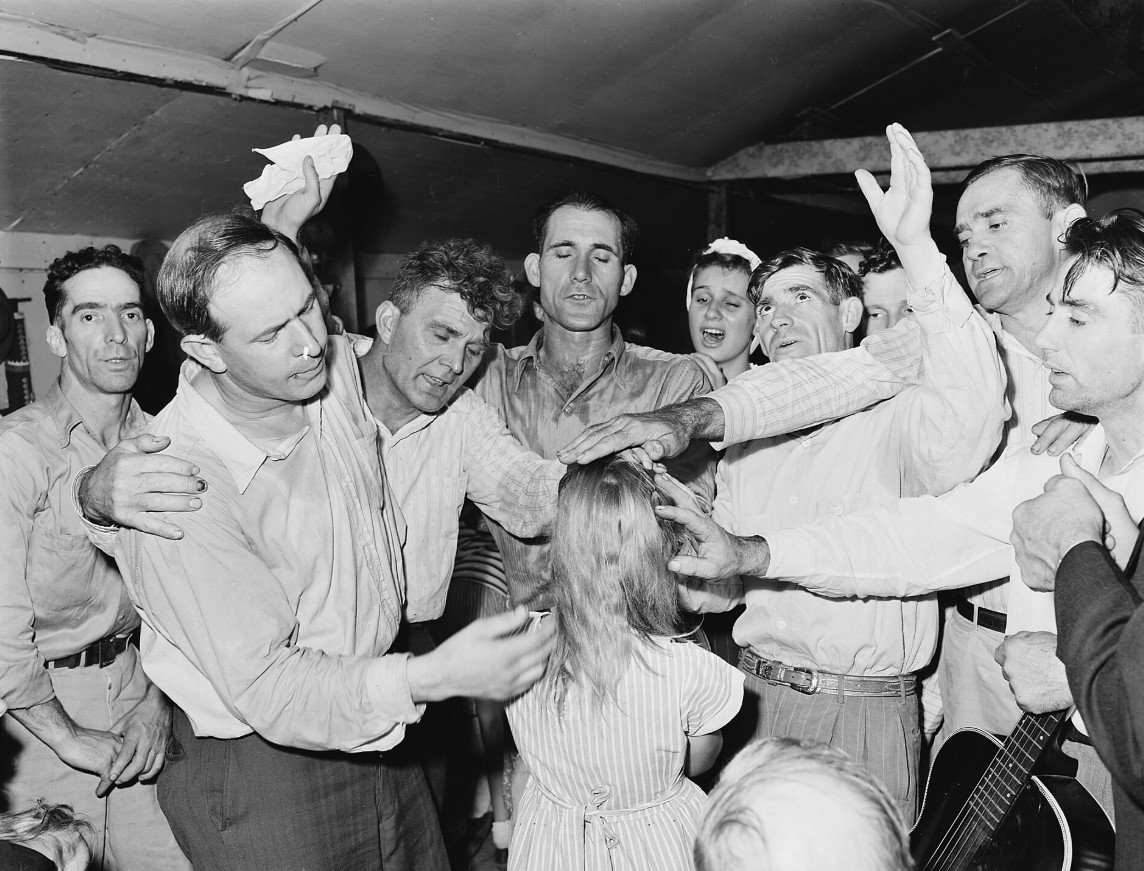
Pentecostal churchgoers offer praise to God in Chicago, Illinois, in April 1941 (left) and pray for a girl in Kentucky in 1946 (right). Pentecostalism also arose during the Third Great Awakening. Pentecostals viewed any focus on reforming society as a distraction from what they viewed as the core mission of Christianity ― preaching personal salvation and preparing for Christ's imminent return. (Episode 305: The Awakenings)
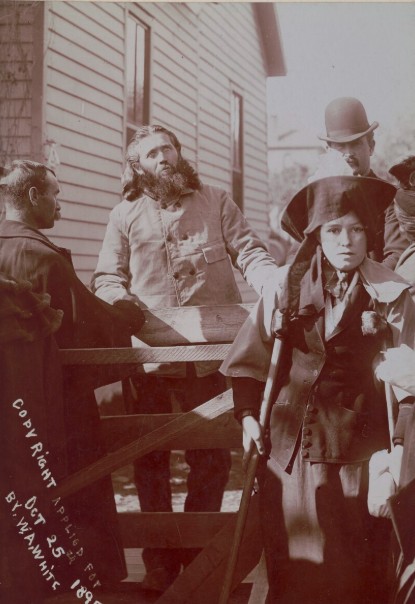
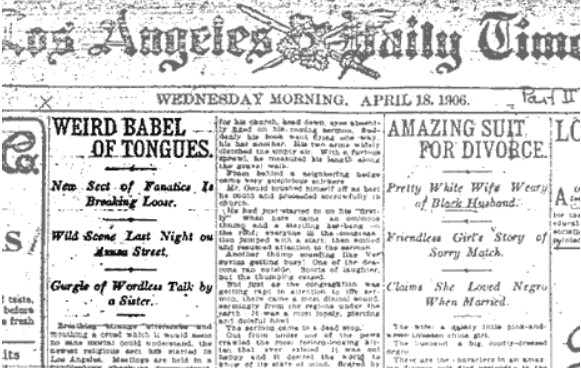
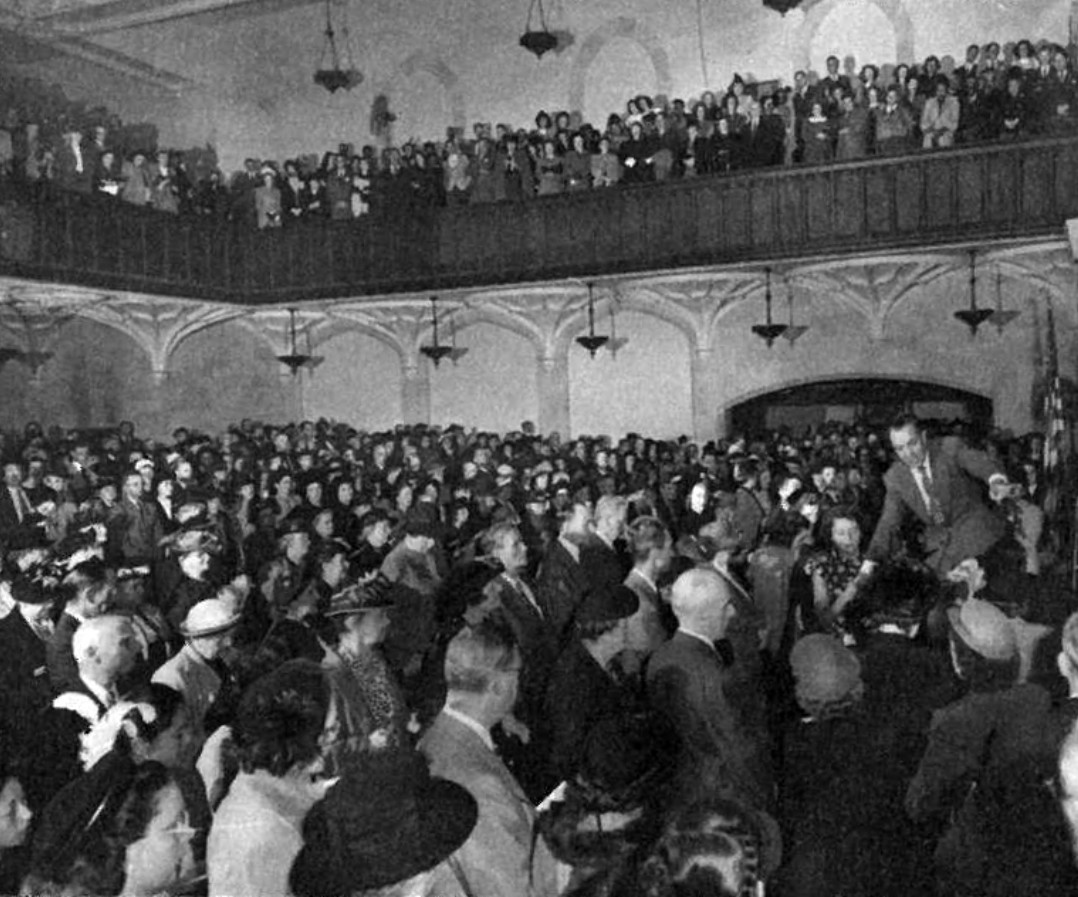
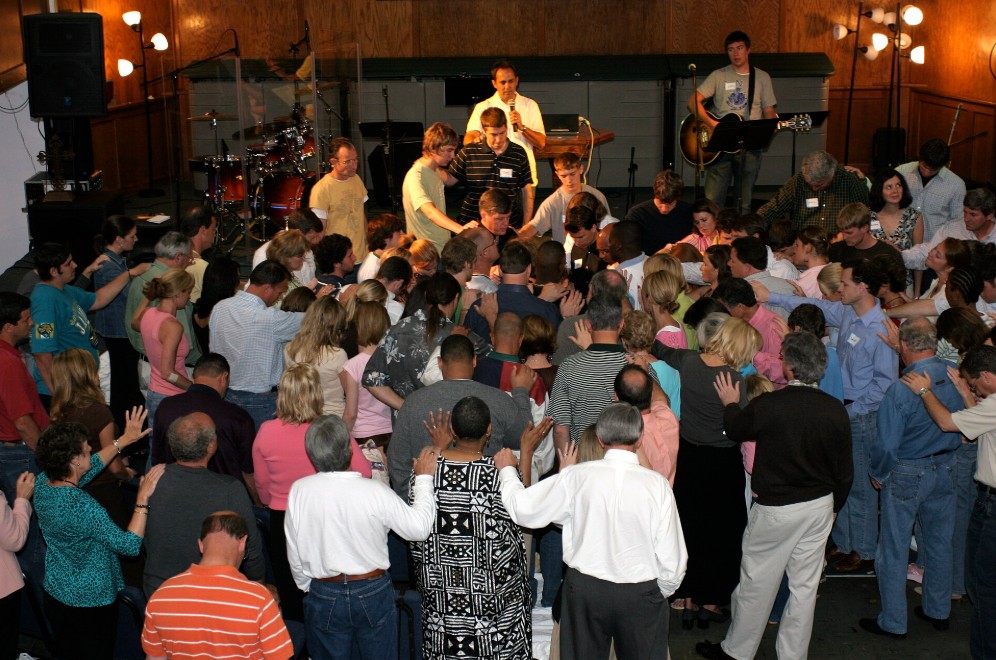
Pentecostalism is an emotional form of Protestant Christianity emphasizing the supernatural, such as direct experience of the Holy Spirit, and focusing on individual salvation. It emphasized speaking in tongues, faith healing, altar calls (a tradition in which those who wish to make a new spiritual commitment to Jesus Christ come forward publicly to the altar as supplicants), and the laying on of hands (a symbolic and formal method of invoking the Holy Spirit during the conferring of a blessing or authority). UPPER LEFT: A faith healer in action, ca. 1895. UPPER RIGHT: In April 1906, a Los Angeles Daily Times journalist who covered a Pentecostal service filed a negative report on the phenomenon of speaking in tongues. LOWER LEFT: An altar call in New York. (Wikimedia Commons photo licensed under the Creative Commons Attribution-Share Alike 3.0 Unported license). LOWER RIGHT: Laying on of hands in Jacksonville, Florida, in 2006. (Wikimedia Commons photo by River City Church licensed under the Creative Commons Attribution 2.0 Generic license) (Episode 305: The Awakenings)
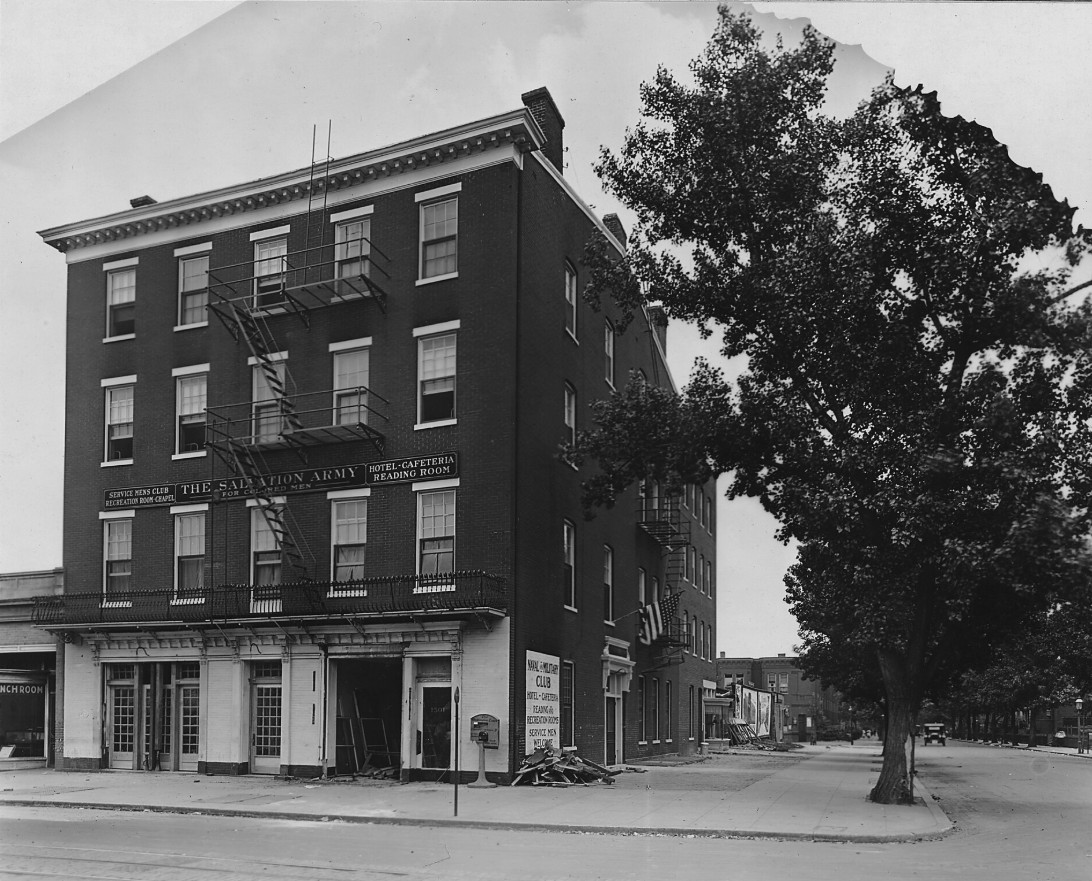
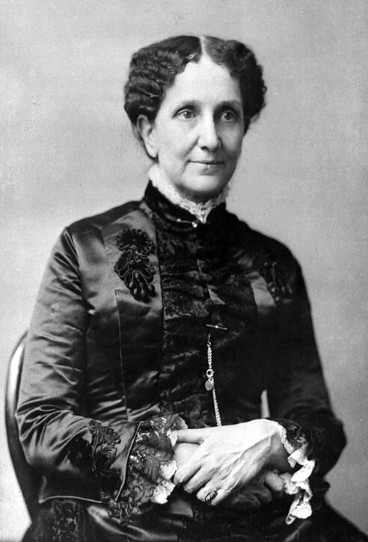
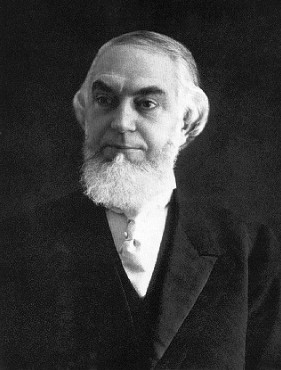
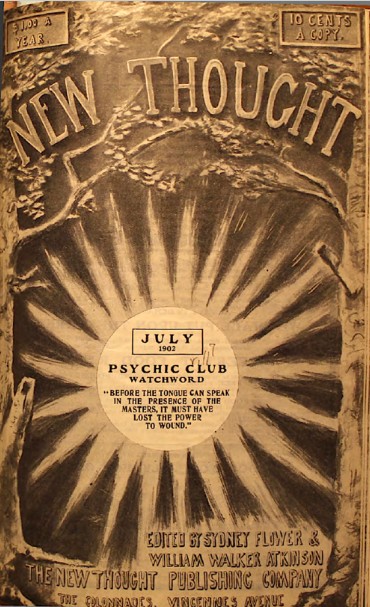
The Third Great Awakening saw the rise of the Salvation Army, Christian Science, the Jehovah's Witnesses, and the New Thought Movement. UPPER LEFT: A Salvation Army hotel and restaurant for "colored" men in Washington, D.C., in 1917. UPPER RIGHT: Mary Baker Eddy (1821–1910) founded the Church of Christ, Scientist, formed in 1879. LOWER LEFT: A movement founded by Charles Taze Russell (1852–1916) in the 1870s evolved into what was renamed the Jehovah's Witnesses in 1931. LOWER RIGHT: The cover of the July 1902 edition of New Thought magazine. (Episode 305: The Awakenings)
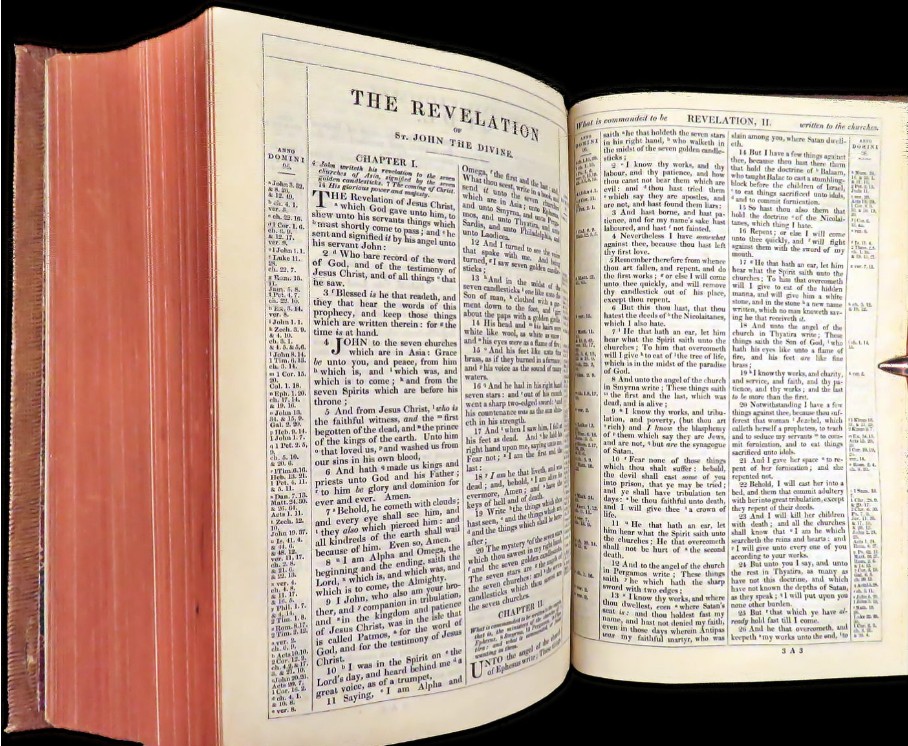
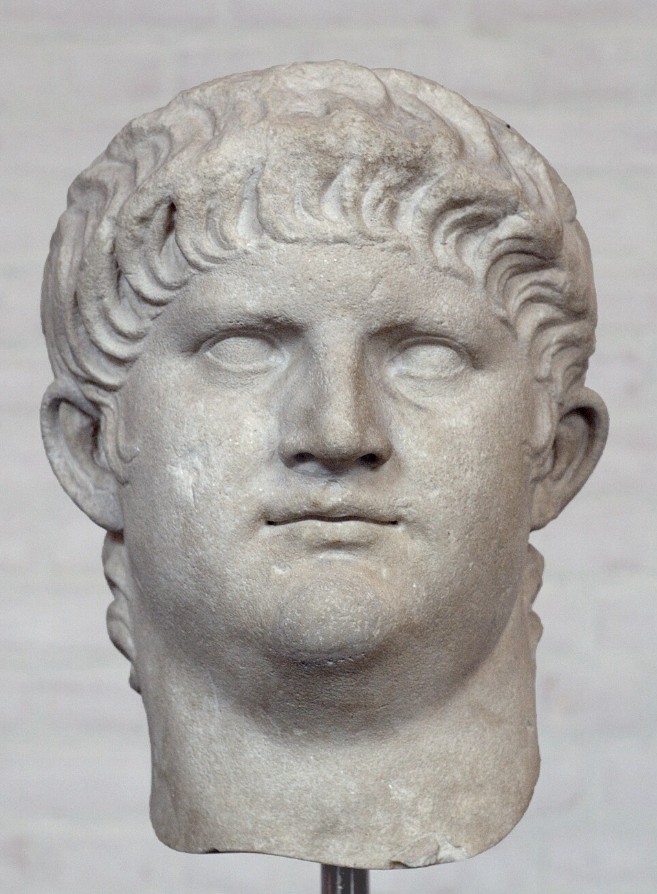
During the Third Great Awakening, disagreements about Christian eschatology — the study of the Christian end times and the Second Coming of Christ — were common. Different schools of thought emerged about what the Christian Bible's Book of Revelation, left, described. Some Christians argued that it prophesied events that would come in the future, while others believed that it described events that were ongoing in the world and — according to some Christians — were leading to an imminent arrival of the end times. Still others believed it was an allegorical recounting of events that happened in the first century A.D., when the Roman Emperor Nero (37 AD–68 AD), right, persecuted early Christians. (Episode 305: The Awakenings)
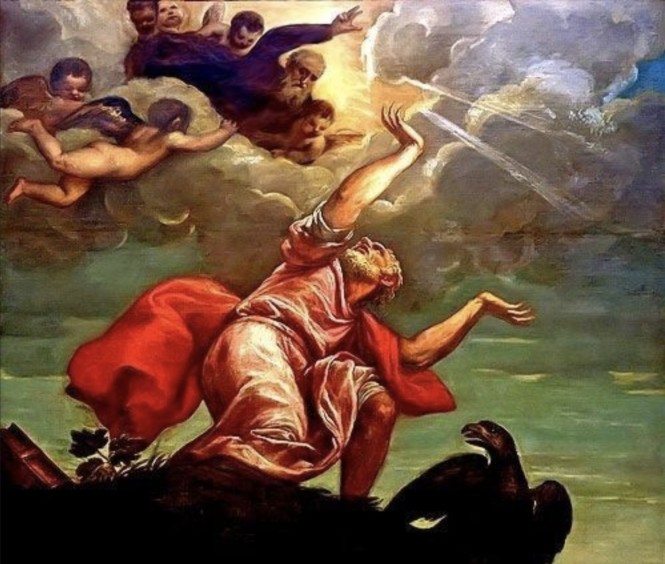
John the Apostle traditionally is held to have written both the Gospel of John and the Book of Revelation. The Roman government banished John to the Greek island of Patmos in approximately 95 AD for preaching the Gospel of Christ, and this painting depicts John receiving the religious inspiration and divine revelation to write the Book of Revelation while in exile on Patmos. The Book of Revelation is central to Christian eschatology. (Episode 305: The Awakenings)
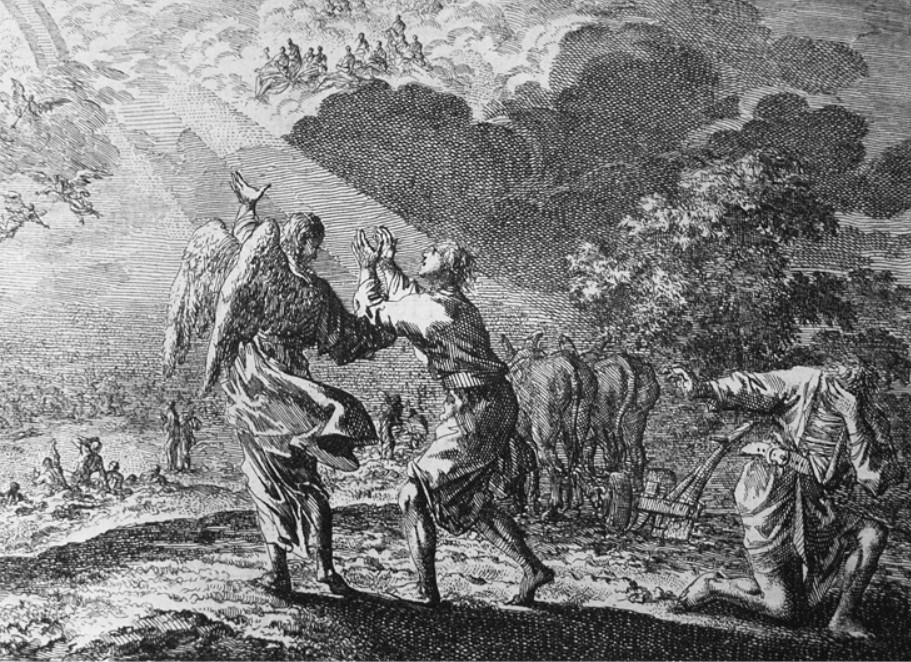
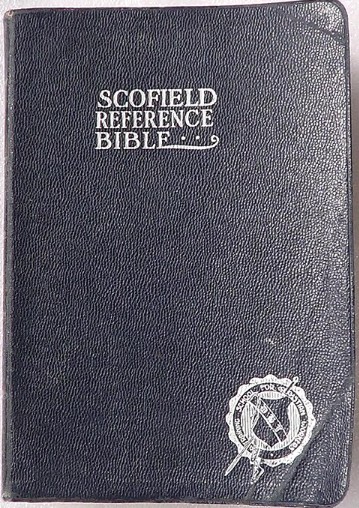
In Christian eschatology, the idea of an event called the "Rapture" took hold during the Third Great Awakening, particularly among American evangelical Protestants. It held that during the Rapture all dead Christian believers will be resurrected and join with Christians who are still alive to "rise in the clouds, to meet the Lord in the air." During the Rapture, millions of Christians suddenly will disappear from the Earth, but a large portion of humanity will remain behind and experience the seven-year reign of the Antichrist, a powerful political leader. During this period of "tribulation," those left behind on Earth will experience unprecedented global chaos, disasters, plagues, and persecution by the Antichrist involving suffering, torture, and death. After seven years, the Second Coming of Christ will occur, in which Christ will return to earth and defeat evil at Armageddon. After Armageddon, the Antichrist will be cast into the Lake of Fire, and Satan will be bound and imprisoned in a bottomless pit. Christ then will establish his kingdom on earth, which will last for exactly 1,000 years. LEFT: A 1795 depiction of the Rapture. RIGHT: The 1917 revised edition of the Scofield Reference Bible. The Rapture features significantly in the Scofield Reference Bible, whose original edition was published in 1909. (Episode 305: The Awakenings)
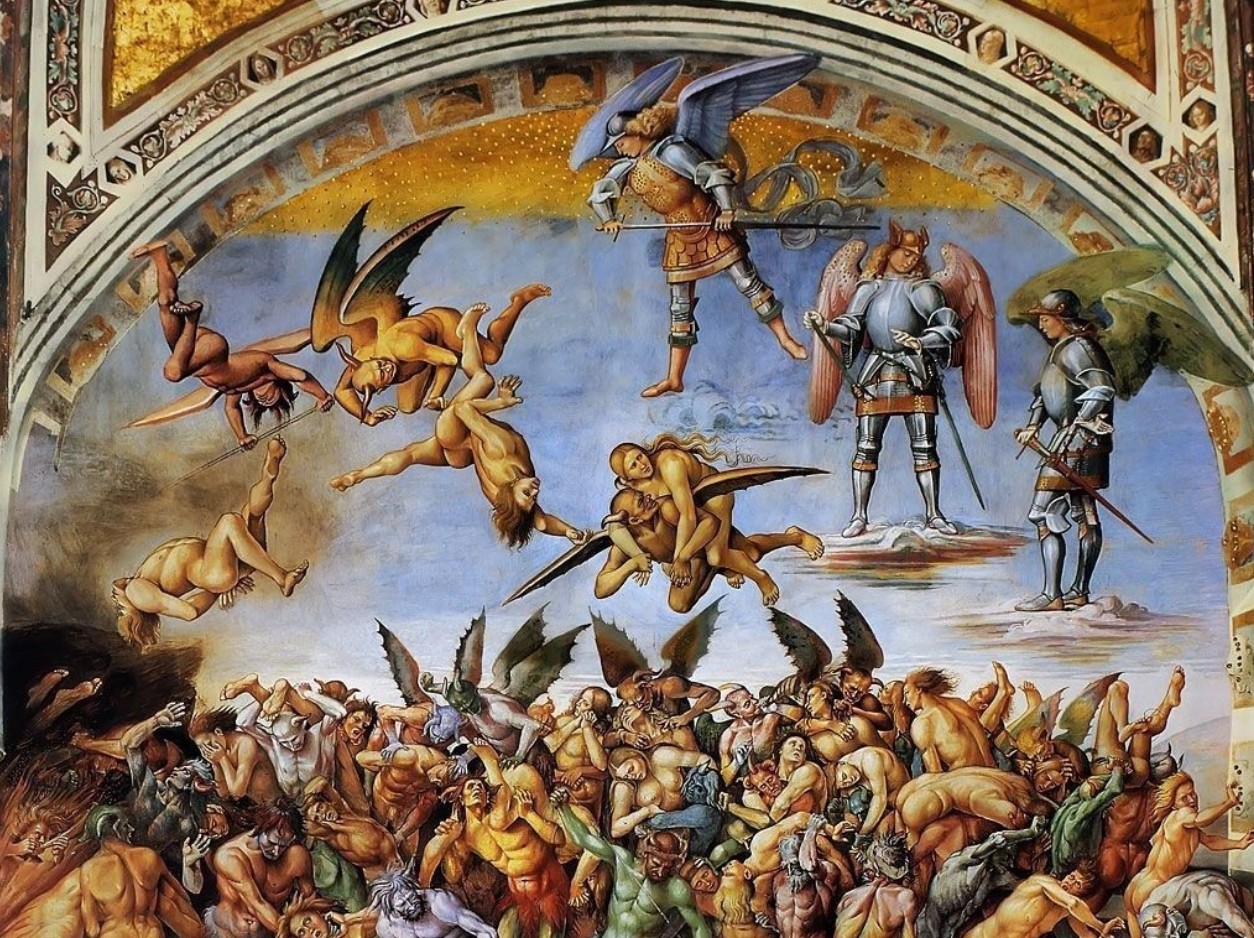
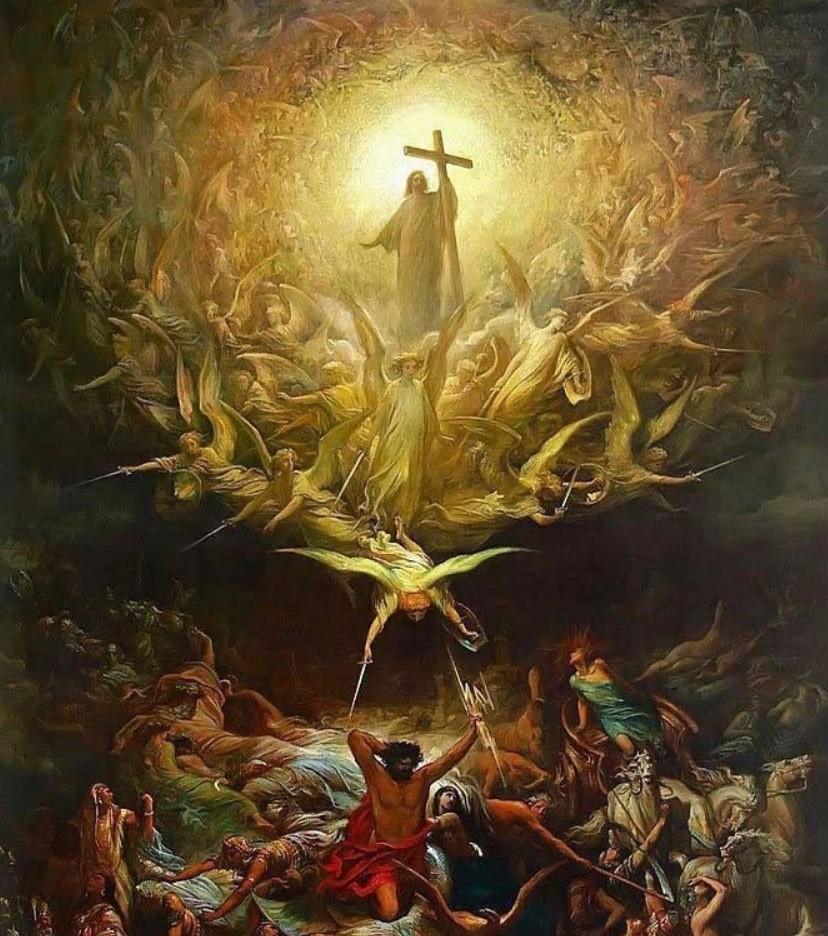
In Christian eschatology, Christ's kingdom on Earth will last a millennium, during which humanity will have peace. After exactly 1,000 years, God will order that Satan be let loose as a way of testing the generations born during the millennium. Satan will tempt humanity and assemble a massive army that will besiege Jerusalem until God intervenes to destroy Satan's army with divine fire. Satan finally will be cast into the Lake of Fire, where he will be tortured for eternity. The physical universe and the division between heaven and earth then will disappear, and the Last Judgment will take place, resulting in the wicked being cast into the Lake of Fire for eternity. LEFT: The Loosing of Satan. RIGHT: The Last Judgment of Christ. (Episode 305: The Awakenings)
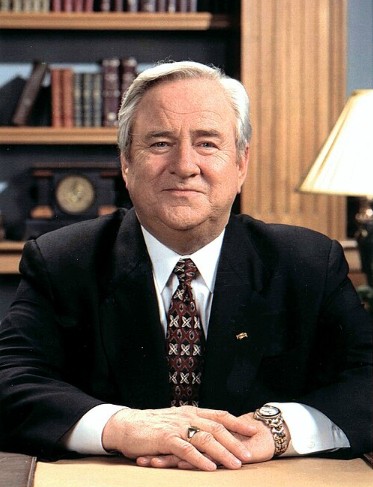
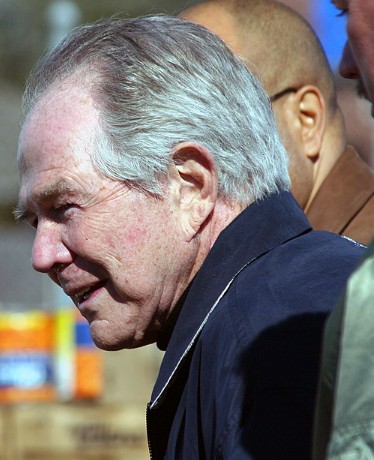
The modern concept of America as a "Christian" nation probably crystallized during the 1970s and 1980s under evangelical Protestant leaders such as Jerry Falwell (1933–2007), left, and Pat Robertson (1930–2023), right. (Episode 305: The Awakenings)
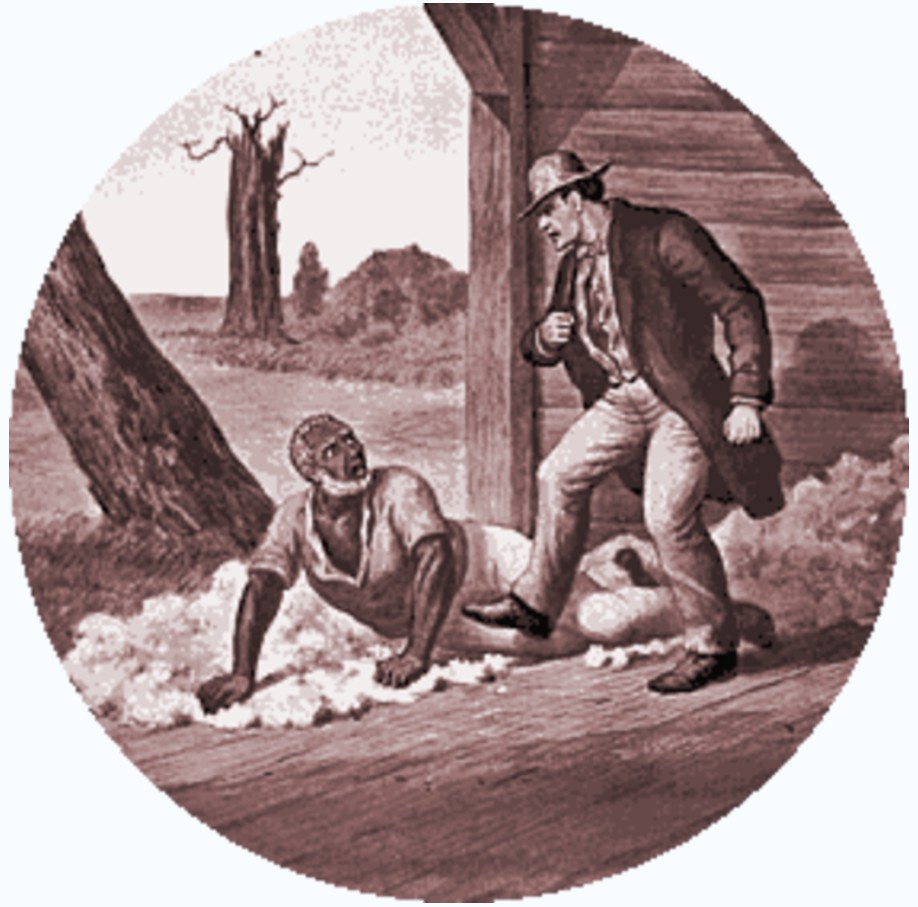
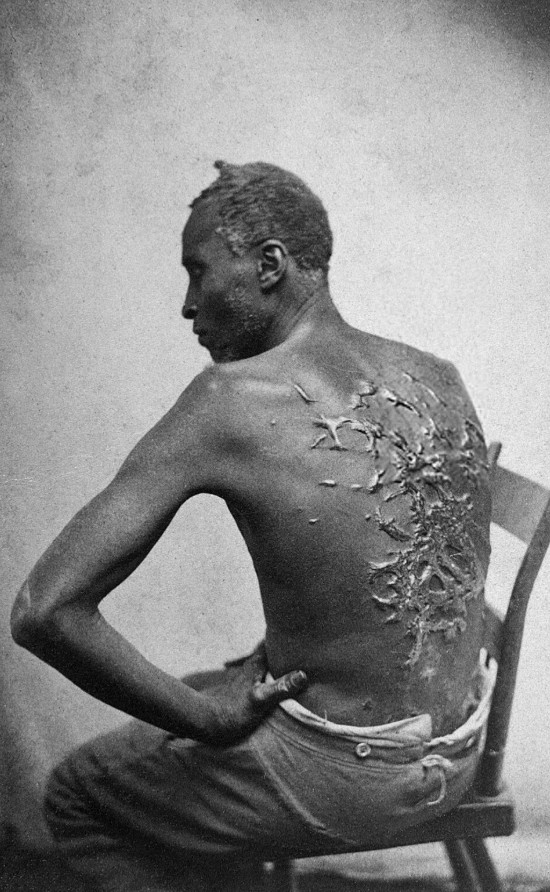
Despite the cruelty and brutality of slavery, the Founding Fathers carried it forward from the colonies into the new United States. As a secular matter, given the political, economic, and social environment of the times, they did not see a way of uniting the colonies into a single country if they also attempted emancipation. In addition, the racist view common among whites of the time was that African Americans were intellectually inferior and incapable of self-governance, and Jefferson and Madison even feared a race war if emancipation occurred. From a religious viewpoint, deists believed that the Creator of the universe had created a natural hierarchy of humans, with whites at the top and blacks at the bottom. Meanwhile, Christians could find no prohibition of slavery in the Bible, and many cited Bible verses to justify the practice. Some secular Americans argued that abolitionists were religious extremists attempting to impose their religious views on others. (Episode 306: Facts and Fiction)
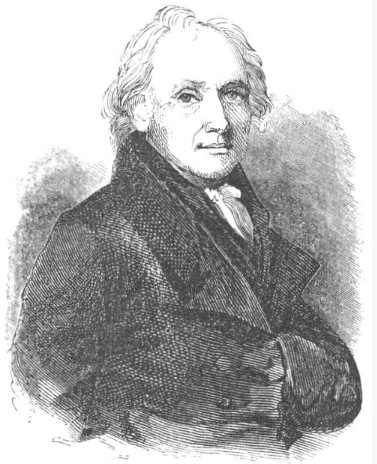
The publication of the presidential and personal papers of the Founding Fathers did not begin until the 1850s, and continues to this day. Lacking access to historical records, early biographers of the Founders simply made things up. Parson Mason Weems (1759–1825), above, published the first biography of George Washington (1732–1799) in 1800 — a bestseller in its time — without conducting serious research and not only made up the story of Washington chopping down a cherry tree but also depicted Washington's public religiosity as that of a fundamentalist Christian, rather than the deist he actually was -- myths that persist today. Also persisting is the tendency of fundamentalist Christians to assert that Founders such as Benjamin Franklin and John Adams were fundamentalist, based on stories (mythos) rather than facts (logos). (Episode 306: Facts and Fiction)
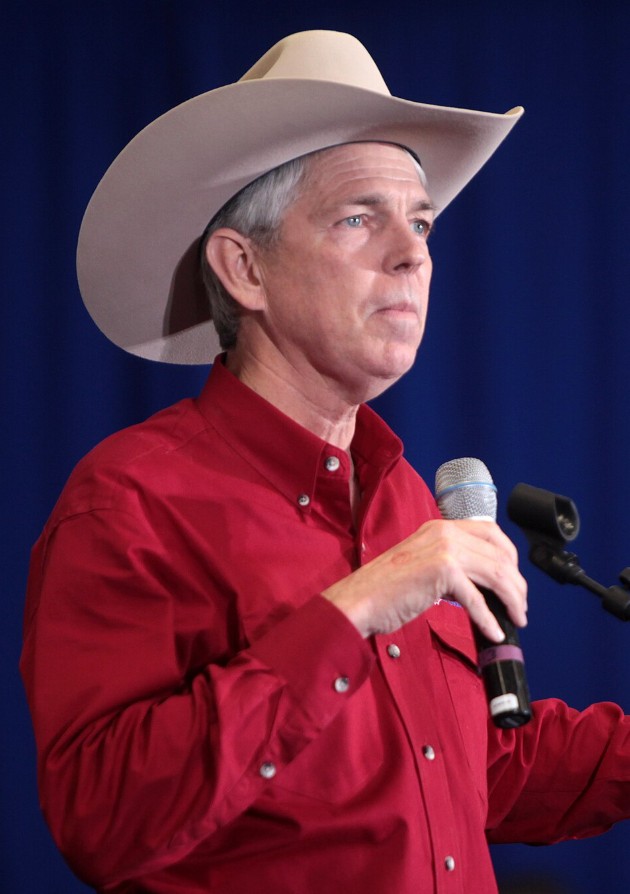
David Barton (b. 1954), seen above in 2016, a Christian nationalist and activist, wrote a widely discredited 2012 book, The Jefferson Lies: Exposing the Myths You've Always Believed About Thomas Jefferson, in which he claimed that everything previously written about Thomas Jefferson (1743–1826) — including by Jefferson himself — had been lies, and that Jefferson in fact was a fundamentalist Christian, not a deist. (Episode 306: Facts and Fiction)
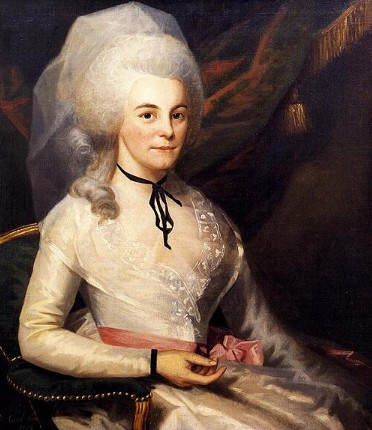
Elizabeth Schuyler Hamilton (1757–1854), widow of Alexander Hamilton (1755 or 1757–1804), was known for her piety and was a fierce defender of her late husband, collecting his papers and depicting him as almost a secular saint. She asserted that he never did anything untoward, something modern historians would question, to say the least. She insisted that he was always a pillar of rectitude, and once demanded an apology from former president James Monroe for questioning her late husband's character. She also tried to downplay the various transgressions of his life and depicted him instead as a Christian gentleman — a myth that persisted until the 2004 publication of Ron Chernow's book Alexander Hamilton. (Episode 306: Facts and Fiction)
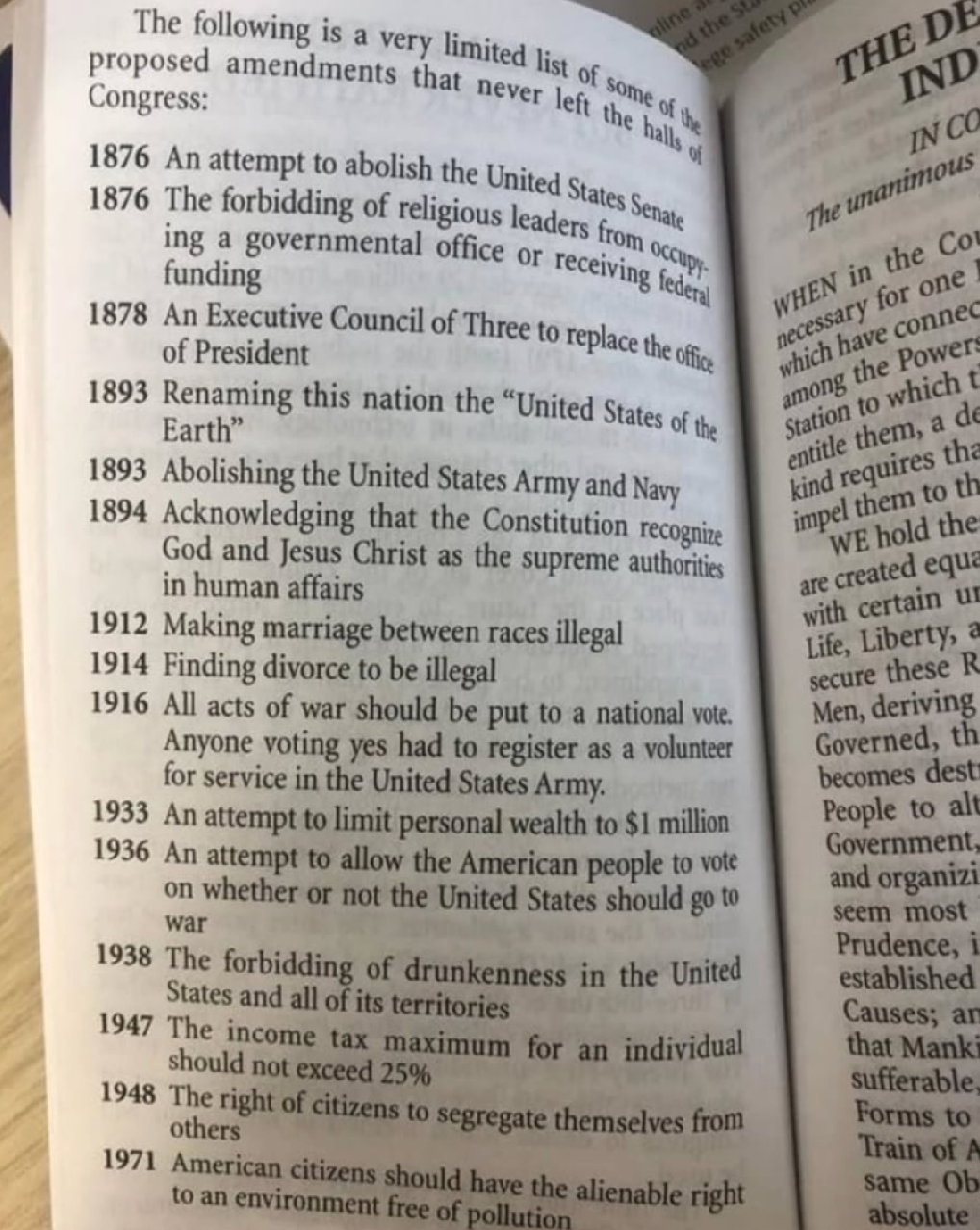
This list of proposed amendments to the United States Constitution includes one in 1894 which sought to rephrase the Constitution's preamble to include explicit references to the Christian God and Jesus Christ. The 1894 effort was the most prominent of these attempts, but was only one of many proposed between 1864 and 1969. Proponents argued that the Constitution's failure to mention the Christian God angered God and prompted Him to visit calamities such as the American Civil War on the United States. A large number of proposed amendments also attempted to return school-sponsored prayer to public schools after the Supreme Court ruled it unconstitutional in 1963. (Photo courtesy of Brandon Morris) (Episode 306: Facts and Fiction)
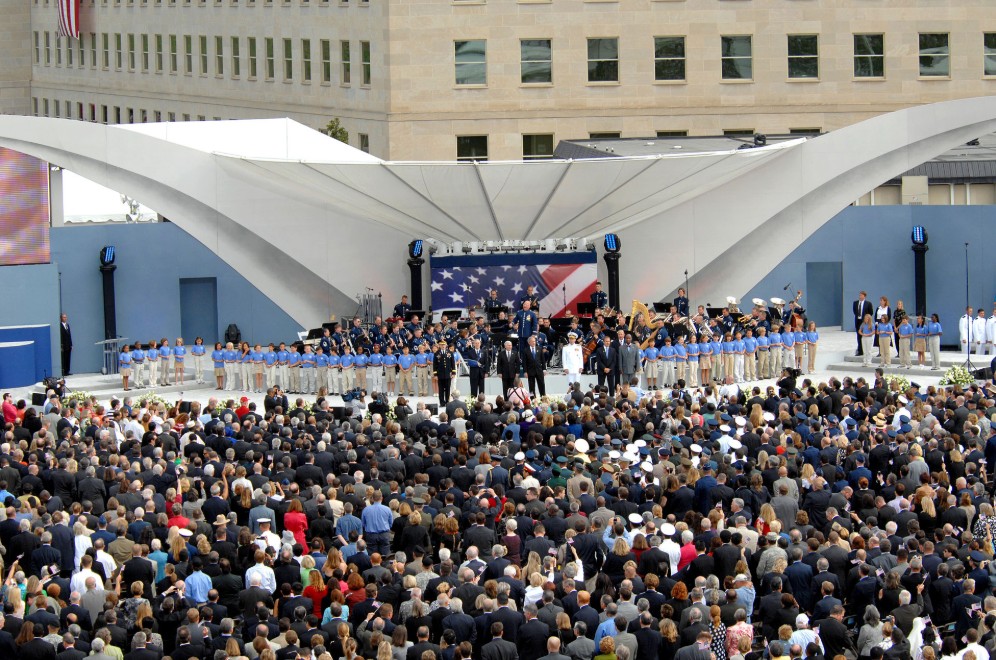
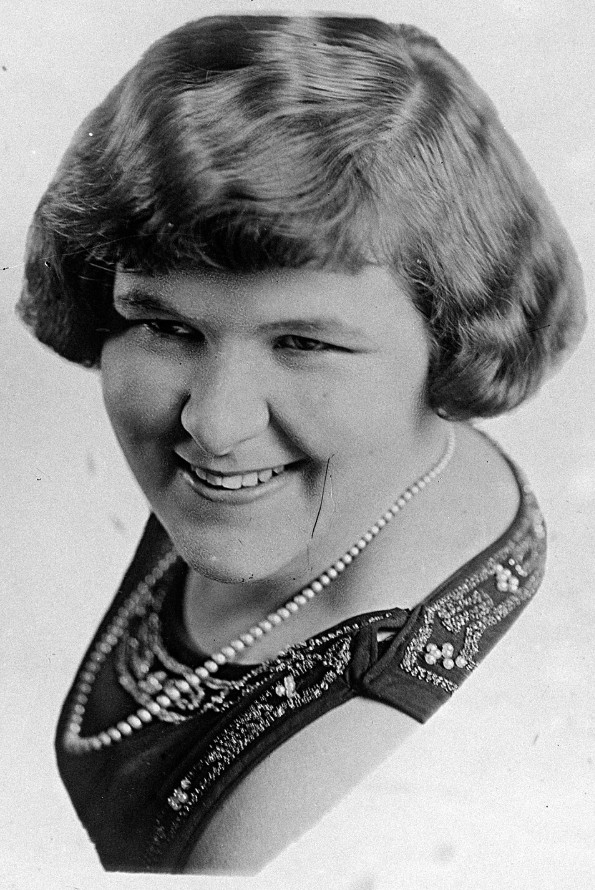
Many Americans in recent times have come to view "God Bless America" as an "unofficial" national anthem, treating it with the same reverence as they do the actual national anthem, "The Star-Spangled Banner". In reality, "God Bless America" is a popular song written in 1918 and made famous in a version sung by Kate Smith in 1938. For Americans of the 1940s, it was a a symbol of unity and religious tolerance, but since the 1960s political conservatives have repurposed the song to counter secular liberalism. LEFT: The audience participates in a performance of "God Bless America" during the dedication ceremony for the Pentagon Memorial outside the Pentagon in Arlington, Virginia, on September 11, 2008. RIGHT: Kate Smith (1907–1986) in the 1930s. (Episode 306: Facts and Fiction)
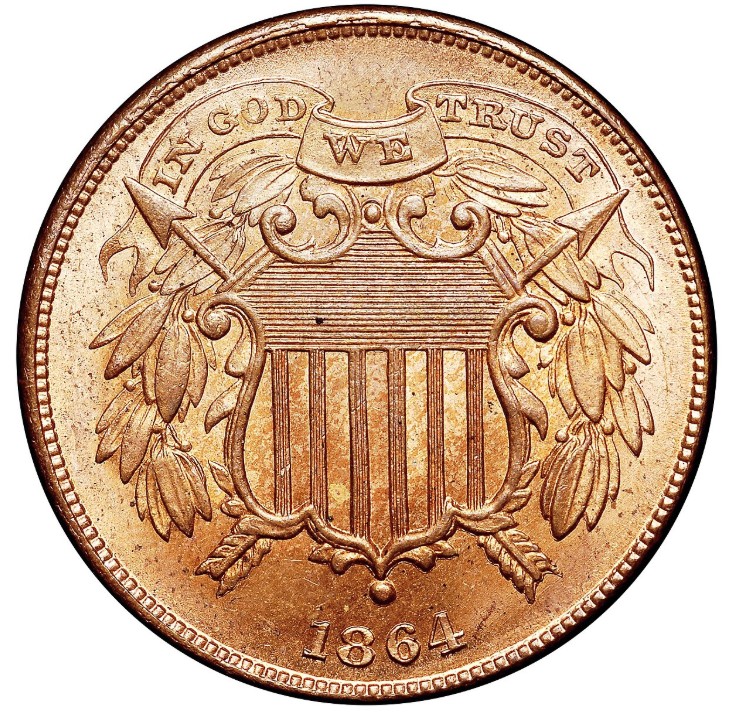
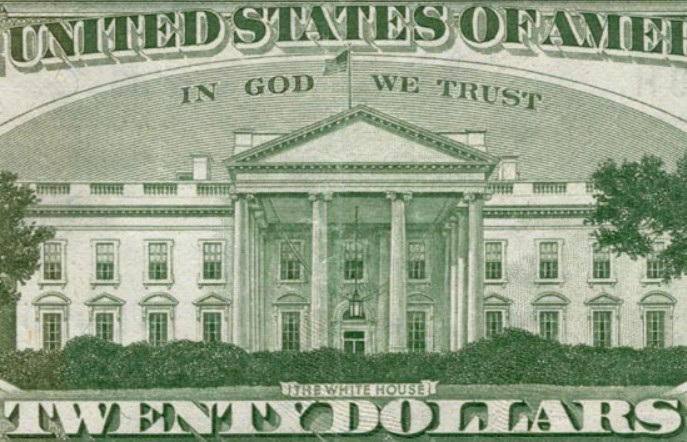
Conservative Christian activists sometimes claim the presence of the slogan "In God We Trust" on U.S. currency demonstrates the intrinsic Christianity of the United States and of its Founding. But the phrase did not arise as a political motto until the American Civil War (1861–1865) and first appeared on U.S. money in 1864, when it was inscribed on the two-cent piece (left). Congress did not mandate it on U.S. gold and silver coins until 1908, it was not included on all U.S. coins until 1938, Congress did not mandate it on all U.S. currency until 1955, and it first appeared on paper money (right) in 1957. It became the country's first official motto in 1956, replacing the previous, unofficial motto — E pluribus unum, Latin for "Out of many, one" — a secular phrase which had been in use since the Founding era. The surge in the popularity of "In God We Trust" had to do with the Civil War and later with U.S. hysteria over opposing "godless Communism" in the 1950s rather than with any religiosity in America's founding. (Episode 306: Facts and Fiction)
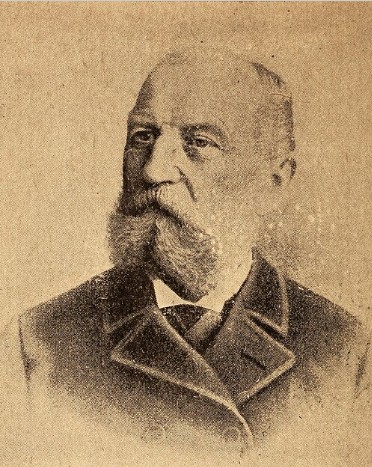
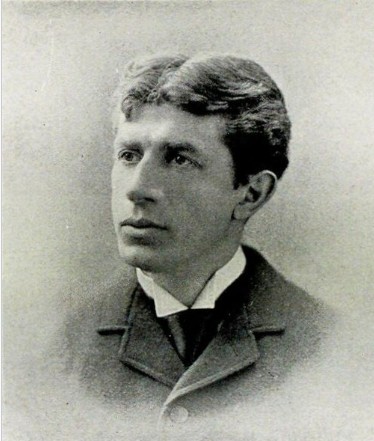
Does the phrase "under God" in the Pledge of Allegiance indicate an official religious character of the United States? No version of a pledge of allegiance existed until Captain George Balch (1828–1894), left, wrote one in 1885. The pledge we know today did not have its beginning until 1892, when the Reverend Francis Bellamy (1855–1931), right, wrote his version of a pledge. It contained no reference to religion or God, nor did its 1923 and 1924 revisions. Only in 1954 was the phrase "under God" added to the pledge -- again, amid the anti-Communist hysteria of the 1950s. (Episode 306: Facts and Fiction)
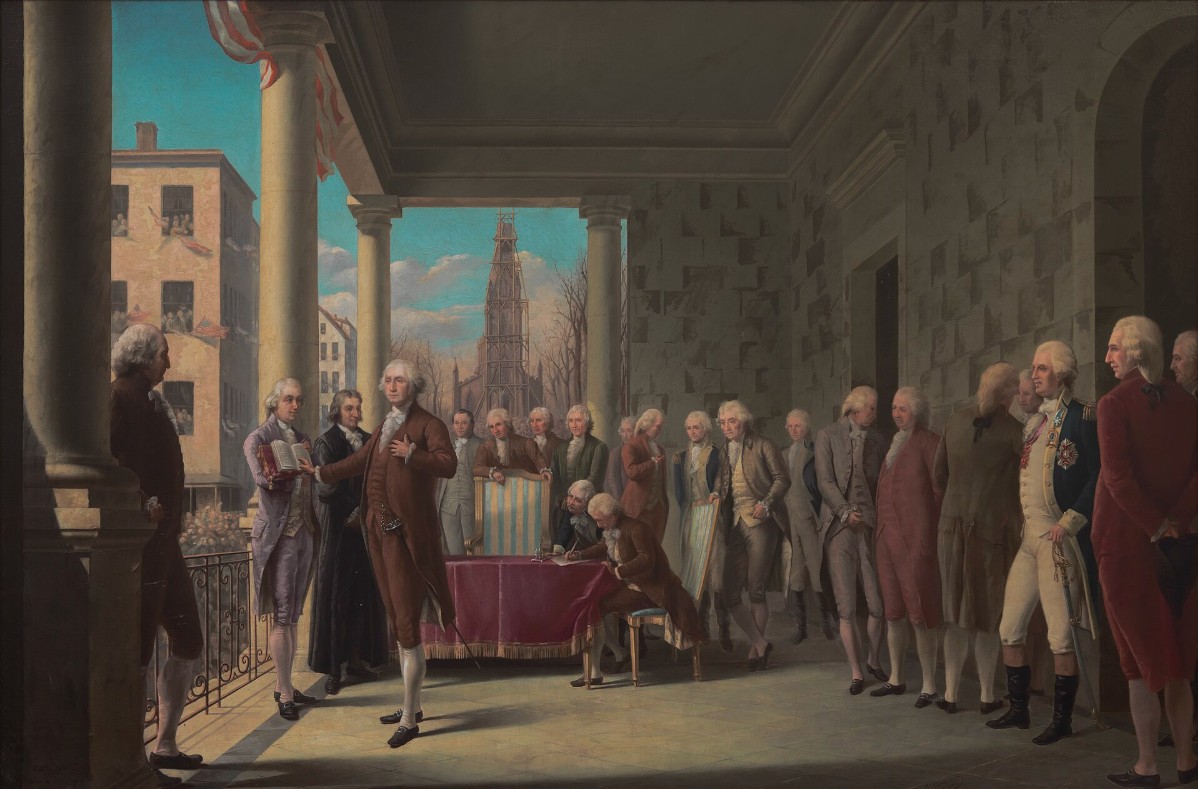
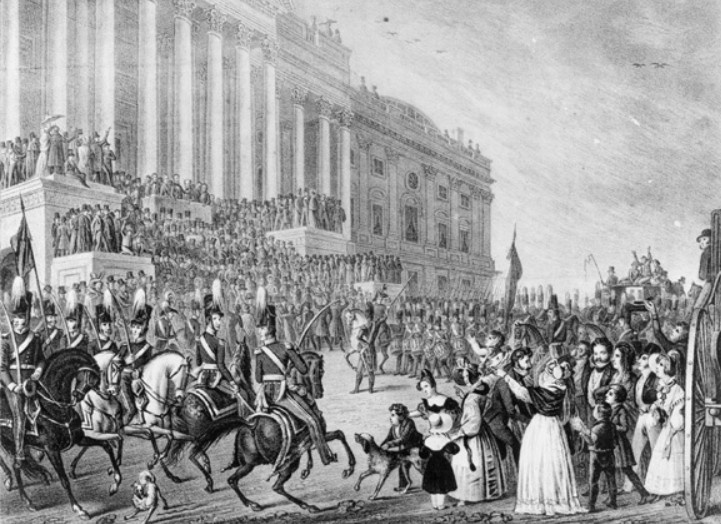
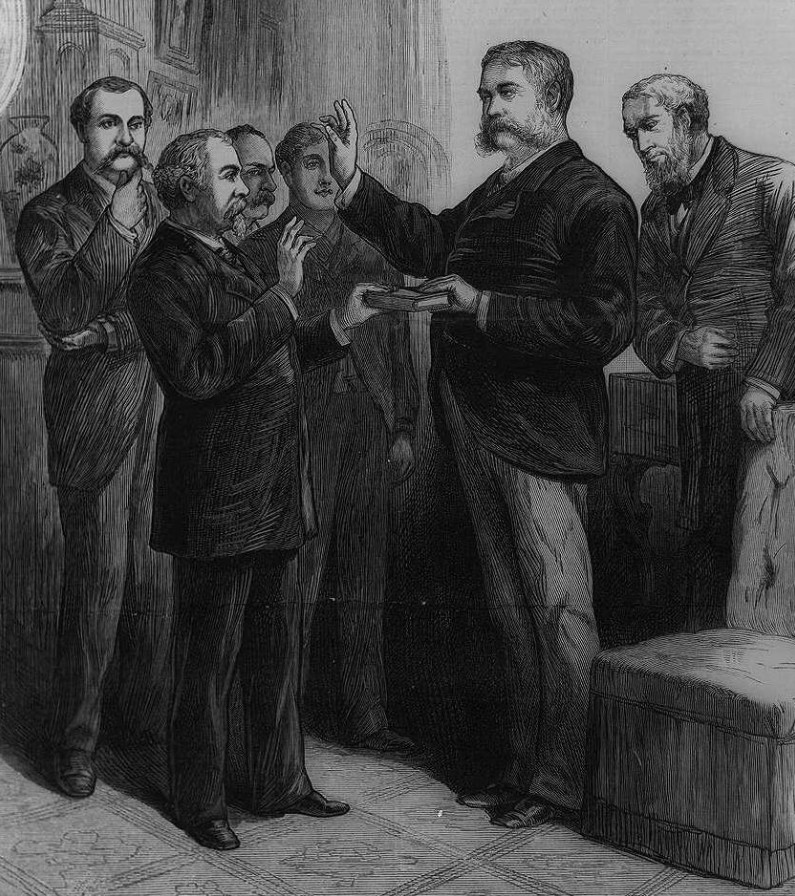
Doesn't the phrase "so help me God" in the presidential oath demonstrate that America is Christian? It is the only oath included in the U.S. Constitution, and the Founders did not include the phrase "so help me God" in the oath as written in the Constitution. A myth persists that George Washington (1732–1799) used the phrase when he took the oath in April 1789 (top), but he did not. William Henry Harrison (1773–1841) may have said it when he was sworn in in March 1841 (middle above), but this has not been proven. The first president known to have used the phrase was Chester Arthur (1829–1886), who took office in September 1881 (above). Presidents are not required to use the phrase when they take the oath. (Episode 306: Facts and Fiction)

"Redacted No More" by Sharon Bibee on Substack