Image Gallery (Part One) for "A Christian Nation?" (Episodes 301–304)
This gallery of photos, maps, and other images add to our "A Christian Nation?" audio series about whether the United States was founded as a Christian nation. We expand the gallery as the series continues – and sometimes after it has concluded – and add links to episodes as they drop. So check back here from time to time, follow along in the gallery as you listen to the series, and enjoy a more immersive experience as you get better acquainted with the people, events, and locales we discuss.
NOTE: All images are in the public domain unless otherwise indicated.
This is Part One of the gallery, and includes images that support Episode 301 "The Founding Intent", Episode 302: The Colonies, Episode 303: "The Founders, Part One", and Episode 304: "The Founders, Part 2".
For Part Two of the gallery, which supports Episodes 305 and 306, click here.
******
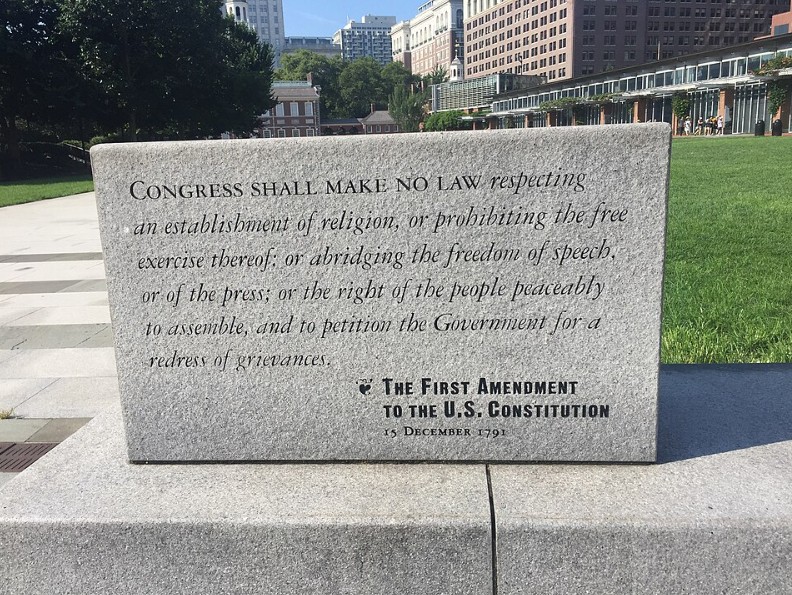
The First Amendment to the United States Constitution —seen above in 2018 in an inscription in Philadelphia, Pennsylvania — opens the entire Bill of Rights with the phrase "Congress shall make no law respecting an establishment of religion, or prohibiting the free exercise thereof..." The first ten amendments constitute the Bill of Rights, and were adopted simultaneously in December 1791 to constrain the powers of the United States Government over both individuals and the states. (Attribution: Zakarie Faibis. Licensed under the Creative Commons Attribution-Share Alike 4.0 International license.) (Episode 301 "The Founding Intent")
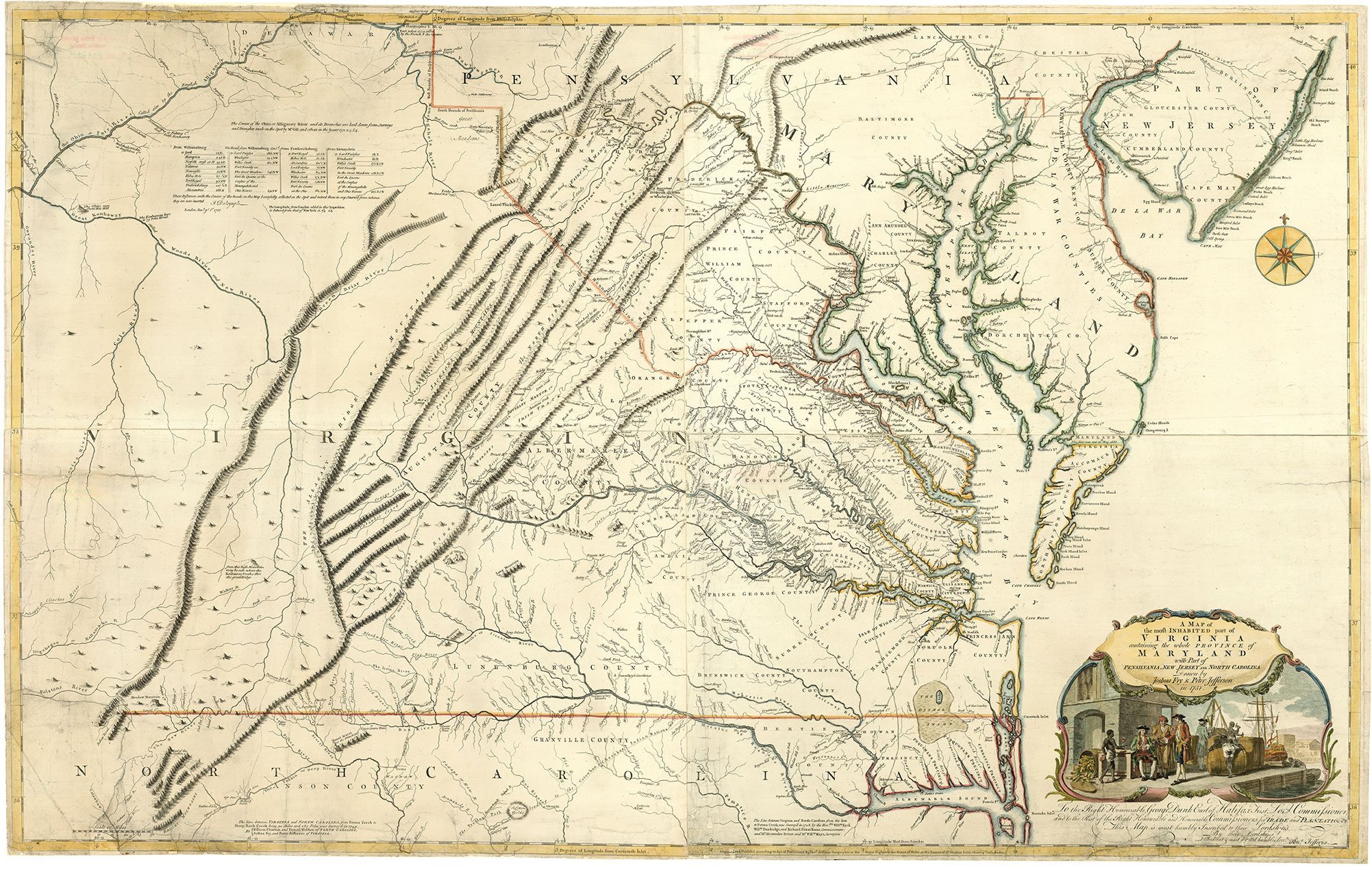
Virginia was founded as a business enterprise in 1607 but adopted the Church of England, also known as the Anglican Church — and named the Protestant Episcopal Church after the United States became independent — as its only officially recognized church. Virginia required officeholders to be members of that church and used tax revenue to support the church. This persisted until the passage of the Virginia Statute for Religious Freedom disestablished the Episcopal Church as the state's official church in 1786. (Episode 302: The Colonies)
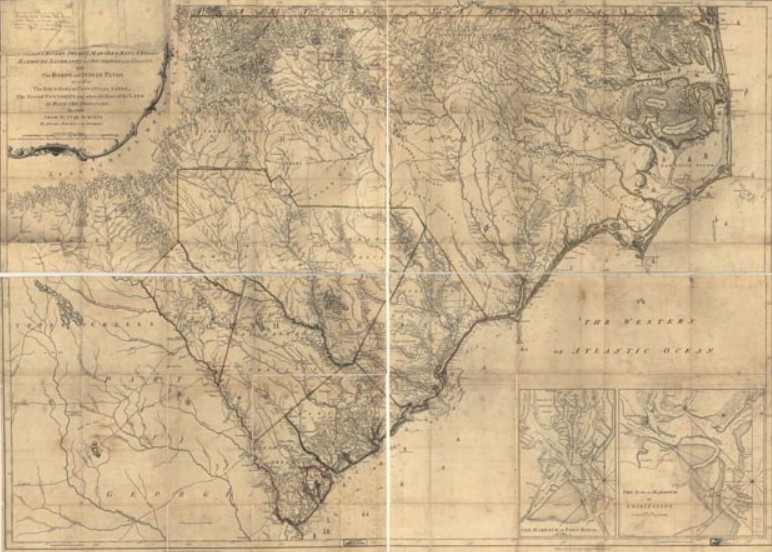
The Carolina Colony (left) was established in 1663 and was split into North Carolina and South Carolina in 1712 because of secular cultural and economic differences between the original colony's northern and southern regions. The Carolinas were founded for business and political purposes — to reward loyalists to King Charles II — and as a buffer against invasion of the British colonies by Spain from Spanish Florida to the south. They were not founded for religious reasons. (Episode 302: The Colonies)
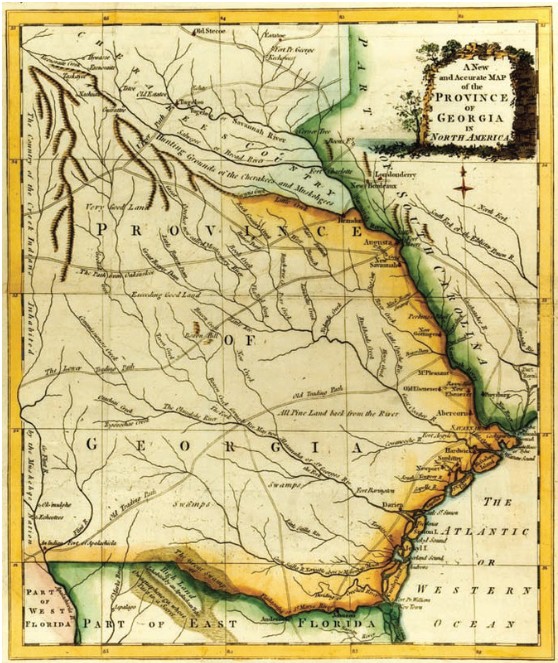
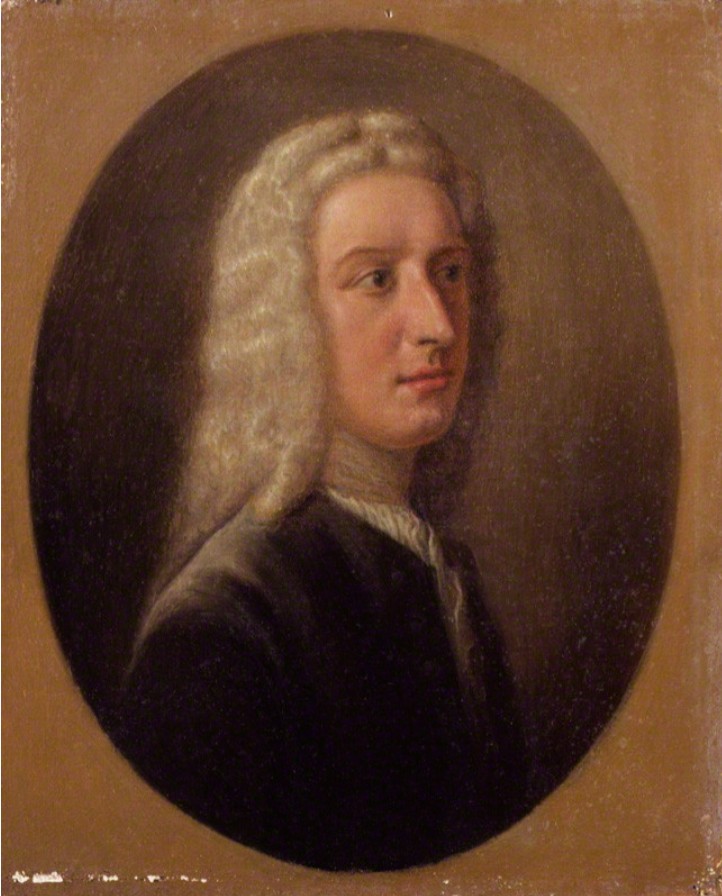
A failure to repay debts was a crime in 18th-century Britain, and Georgia, founded by James Oglethorpe (1696–1785), right, in 1733, was conceived as a place where debtors could make a fresh start in life and to serve as a military buffer against invasion of the Carolinas by Spain from Spanish Florida. It was not a penal colony, and Oglethorpe did not found it for religious reasons, hoping merely to create a haven for "the unemployed and unemployable" from England. (Episode 302: The Colonies)
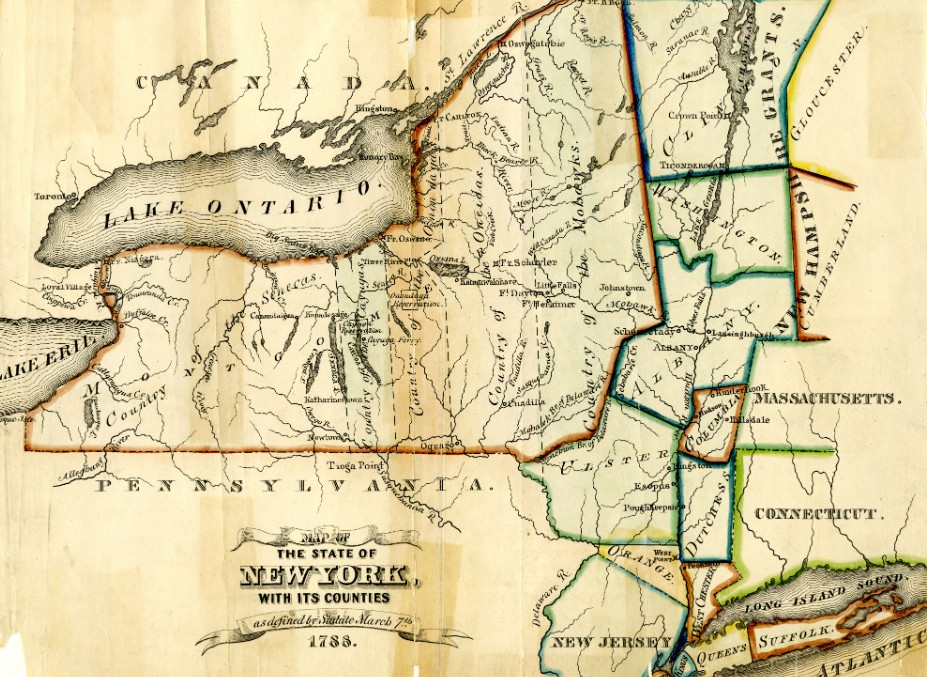
The Dutch founded the colony of New Netherland in 1624. The British took control of the colony during the Second Anglo-Dutch War in 1664 and named it New York. Under both Dutch and British auspices, the colony was a commercial enterprise with a diverse population and a reputation for greater religious tolerance than its neighbors. (Episode 302: The Colonies)
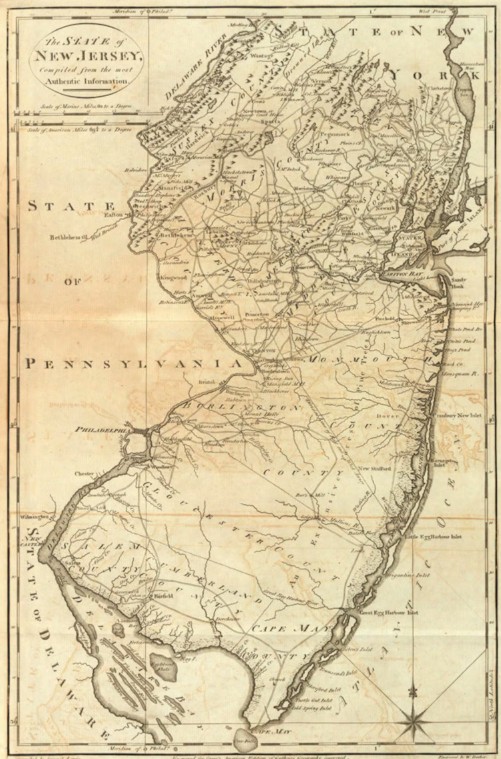
Originally settled by the Swedish Empire as New Sweden in 1638 and then made a part of the Dutch colony of New Netherland in 1655, the New Jersey area became the provinces of East Jersey and West Jersey in 1664 after the British seized the area from the Dutch during the Second Anglo-Dutch War. "The Jerseys" were founded as commercial enterprises, and in 1665 their proprietors issued the Concession and Agreement, which promised religious freedom to all settlers. "The Jerseys" became a haven for Quakers, Puritans, and other dissenters who faced persecution elsewhere. They merged for secular reasons to form New Jersey in 1702. (Episode 302: The Colonies)
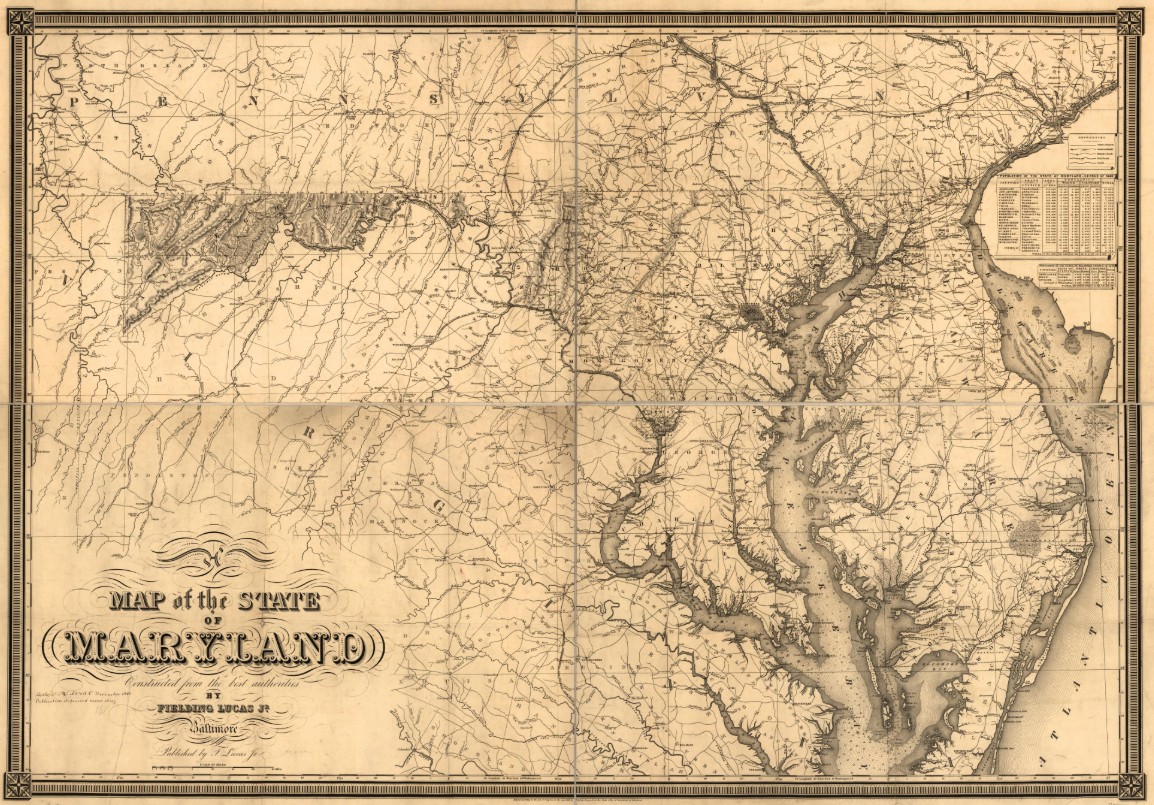
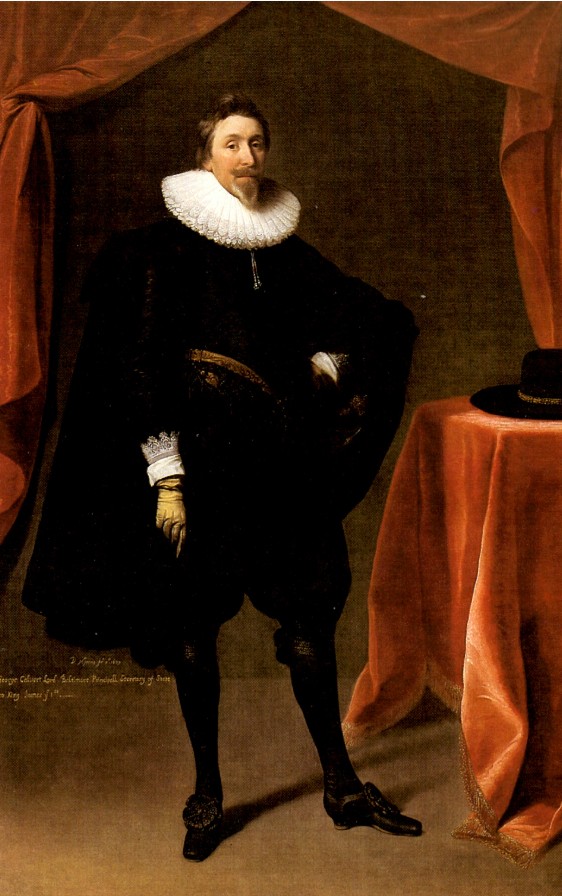
Maryland was founded in the period 1632–1634 by Catholics led by George Calvert (1580–1632), right, who fled persecution in England, where Catholic worship was prohibited, to practice their Catholic beliefs freely. The colony extended freedom of worship to all Trinitarian Christians — i.e., those who believed in one Christian God who exists as the Father, the Son (Jesus Christ), and the Holy Spirit — in 1649. (Episode 302: The Colonies)
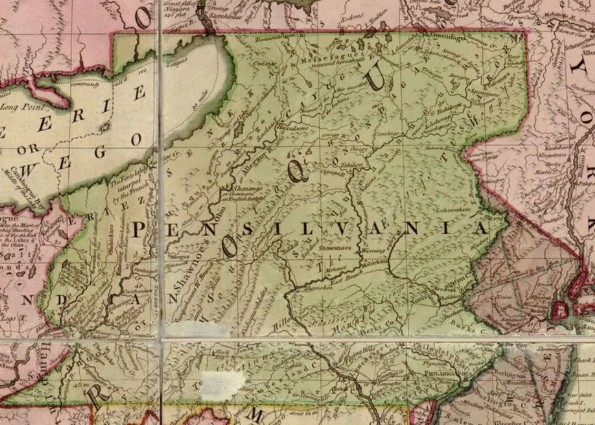
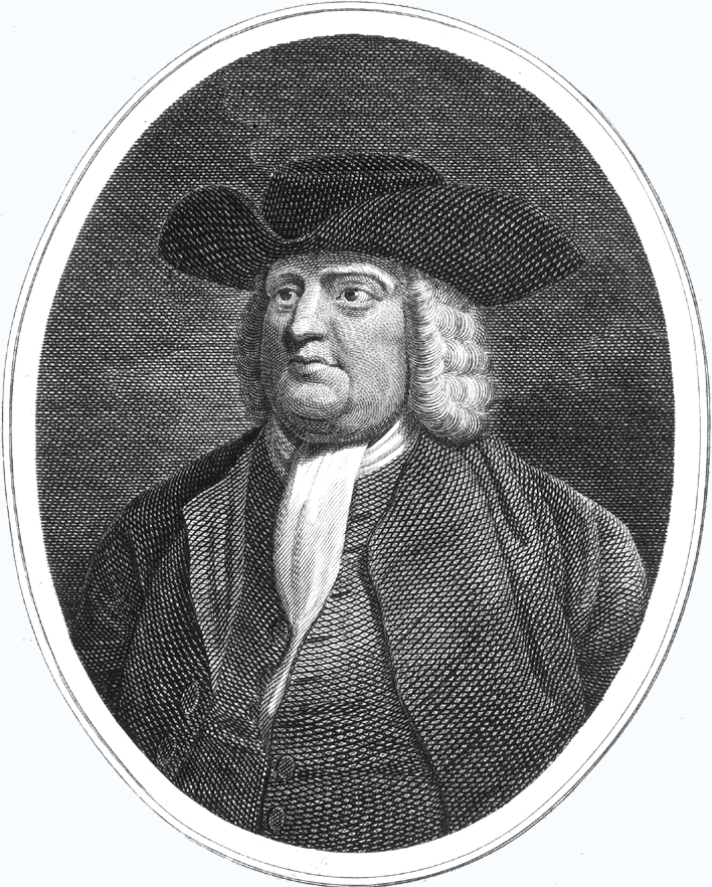
Pennsylvania was founded in 1681 by William Penn (1644–1718), right — a Quaker — as what he called a "Holy Experiment" with a focus on tolerance, peace, and cultural diversity. Pennsylvania served as a haven for Quakers and others facing religious persecution. (Episode 302: The Colonies)
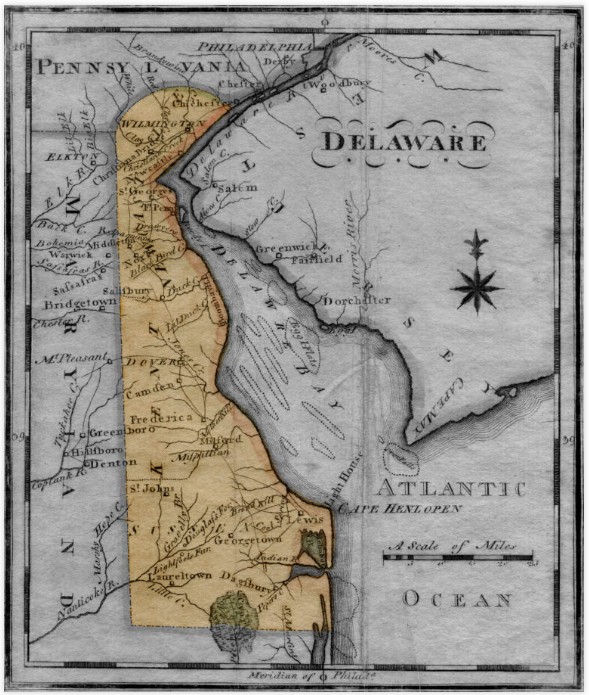
First settled by the Swedes in 1631, then abandoned, Delaware was resettled by the Swedes in 1638, becoming New Sweden that year. The Dutch took control in 1655 and administered it as part of New Netherland. The British seized the area in 1664 during the Second Anglo-Dutch War and administered it as part of New York until Pennsylvania annexed it in 1682. Delaware was granted its own representative assembly in 1704, but continued to share a governor with Pennsylvania until 1776, when it fully broke away from Pennsylvania as the State of Delaware. Delaware was settled predominantly by Quakers in the north and by English, mostly from Maryland, and their African slaves in the south, where Methodism gained a foothold in the 1790s. (Episode 302: The Colonies)
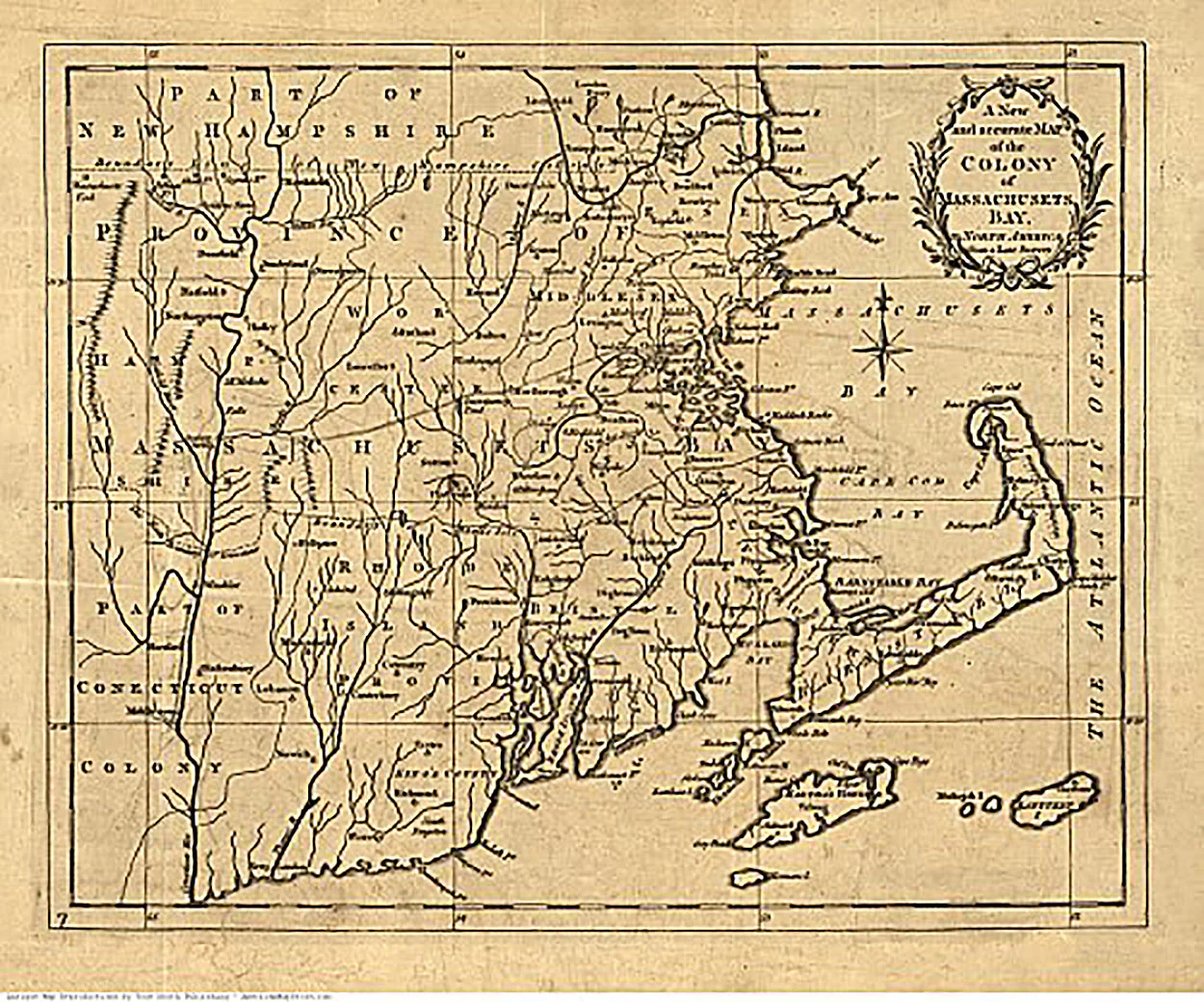
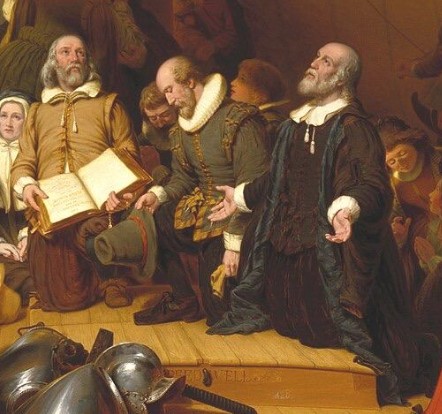
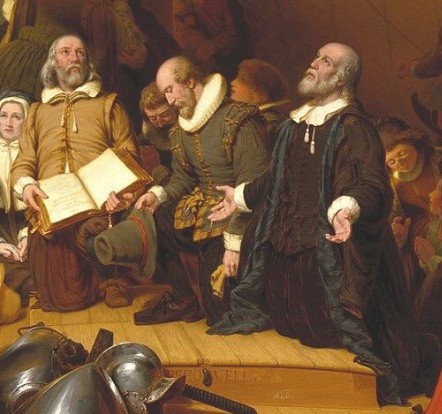
Massachusetts's founding dates to the establishment of the Plymouth Colony in 1620. The Plymouth Colony's founders were the Pilgrims, who were Puritans who — unlike Puritans who remained behind in England — believed that the Church of England was too hopelessly corrupted by Catholicism to be reformed and who departed aboard the Mayflower for America — after a stay in the Netherlands — to make a fresh start. In American mythology, the Pilgrims fled to America seeking religious freedom because they had been oppressed in England for their religious beliefs. An alternative view holds that the Pilgrims were tiresome moral scolds who many people in England were glad to see leave and who, after arriving in Massachusetts, were intolerant of any religious beliefs but their own — and, in fact, persecuted people who disagreed with them. The Massachusetts Bay Colony was founded by other Puritans who arrived in 1630, and Plymouth Colony merged with the Massachusetts Bay Colony in 1691, and it in turn became part of the Province of Massachusetts in 1692. The Massachusetts Bay Colony, Province of Massachusetts, and — after statehood — Massachusetts itself included what is now Maine from the 1650s until Maine achieved statehood in 1820. (Episode 302: The Colonies)
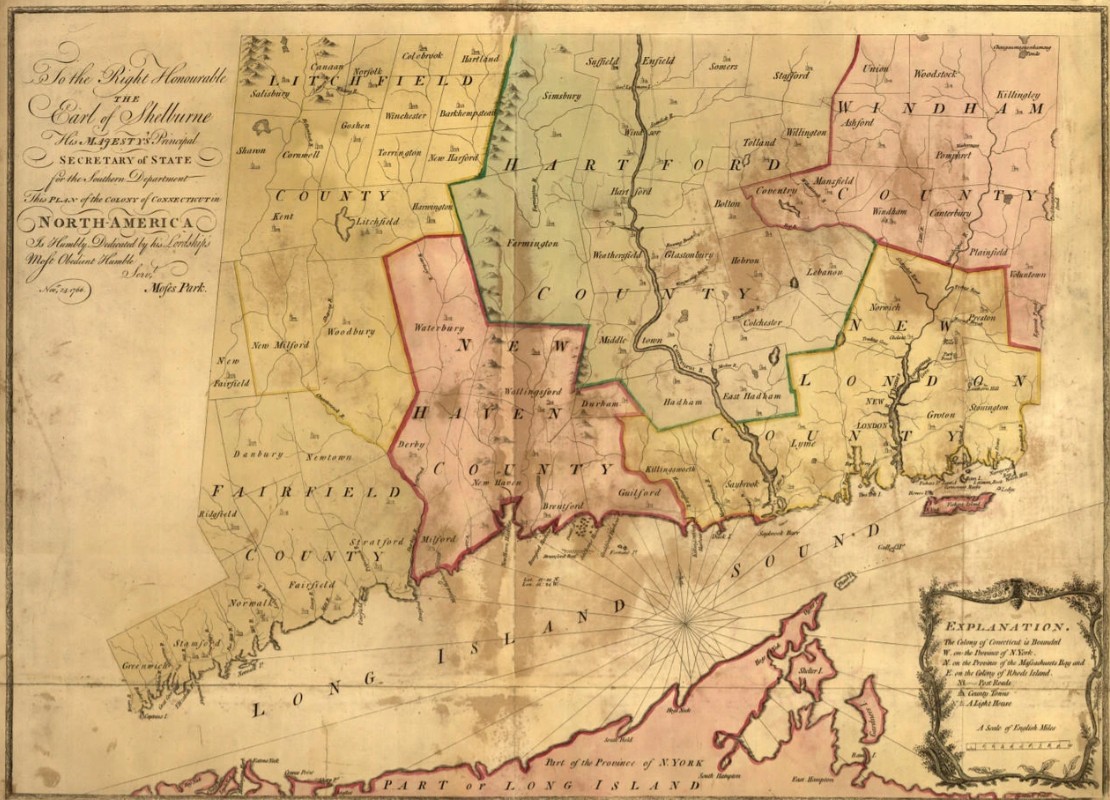
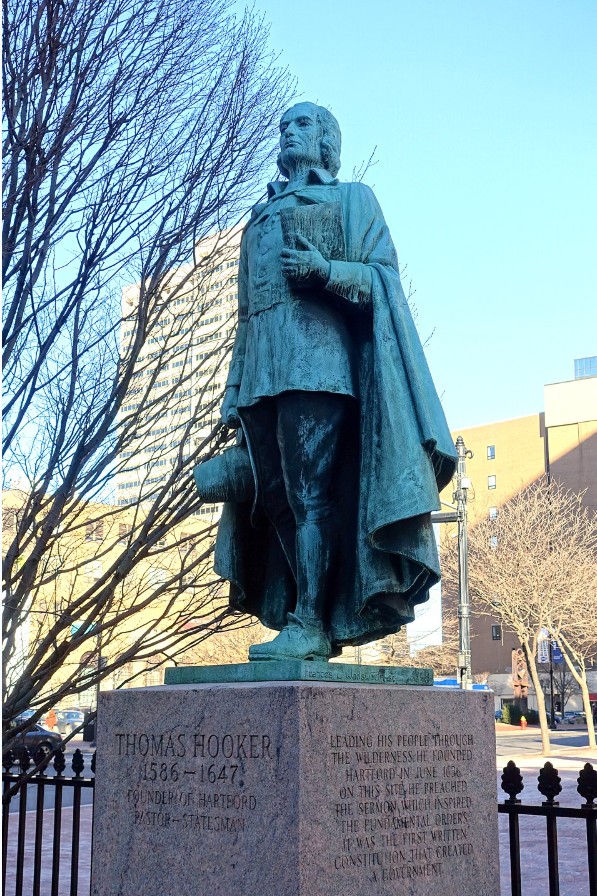
The Connecticut Colony was founded between 1634 and 1636 by Puritans led by Thomas Hooker (1586–1647), right who left the Massachusetts Bay Colony because they disagreed with the policy in Massachusetts of limiting suffrage to "freemen" who could pass a detailed interrogation on their religious views. Connecticut became another Puritan colony, but with increased voting rights. New Haven Colony, founded as a business proposition in 1638, merged into the Connecticut Colony in 1664. (Hooker statue photo released into public domain by its creator under the Creative Commons CC0 1.0 Universal Public Domain Dedication) (Episode 302: The Colonies)
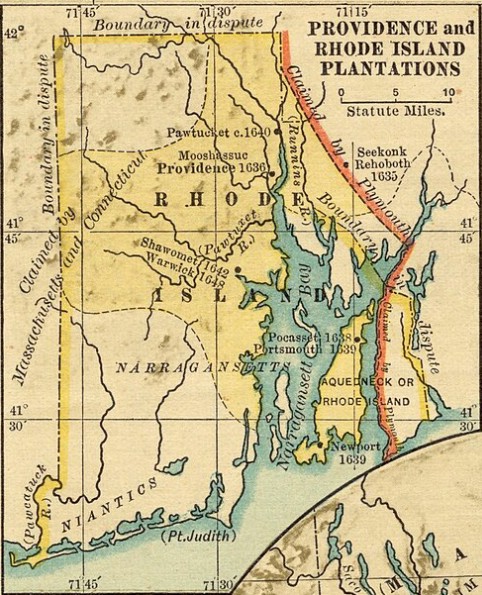
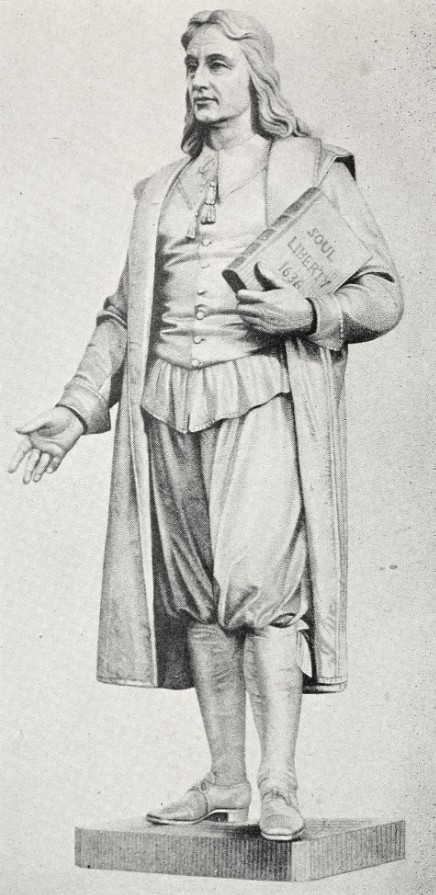
Rhode Island was founded in 1636 by Roger Williams (ca. 1603–1683), right, as a haven for religious freedom after the Puritans in Massachusetts banished him because of what they viewed as his radical ideas. Although Williams was a deeply religious Puritan, his ideas included an absolute separation of church and state, opposition to the regulation of individual conscience or spiritual beliefs by civil government, a belief that forced worship corrupted faith, and an insistence that Native Americans were equal to European settlers and that the seizure of their land by Europeans was wrong. He was a devout Christian who lived his life according to scripture and believed in the divinity of Christ, but nonetheless insisted on freedom of religious belief and practice for Quakers — with whom he strongly disagreed on theological matters — as well as for Jews and others in Rhode Island. (Episode 302: The Colonies)
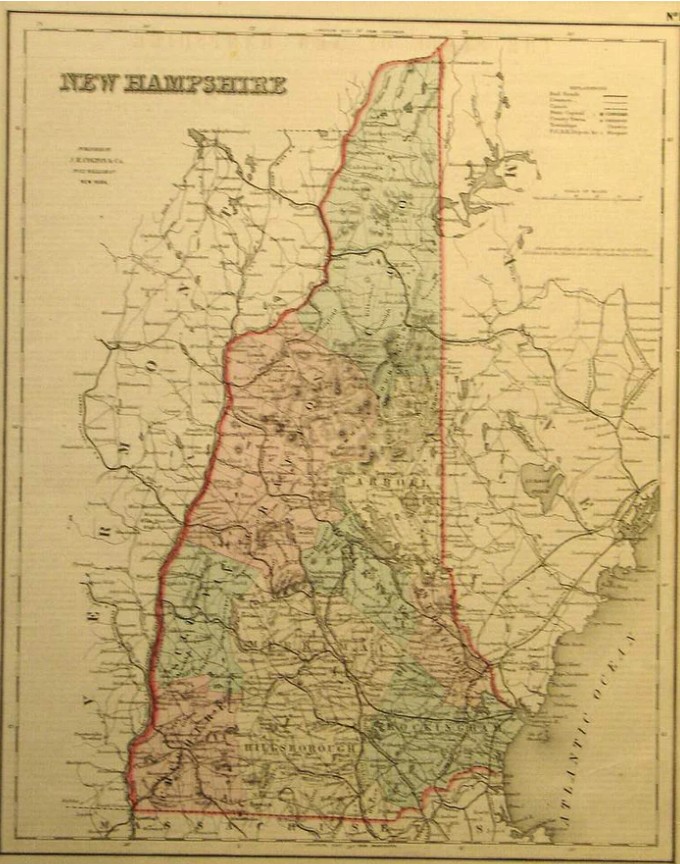
New Hampshire was founded in 1623 for strictly secular reasons, as a commercial enterprise to exploit the area's timber, fur, and fishery resources.(Episode 302: The Colonies)
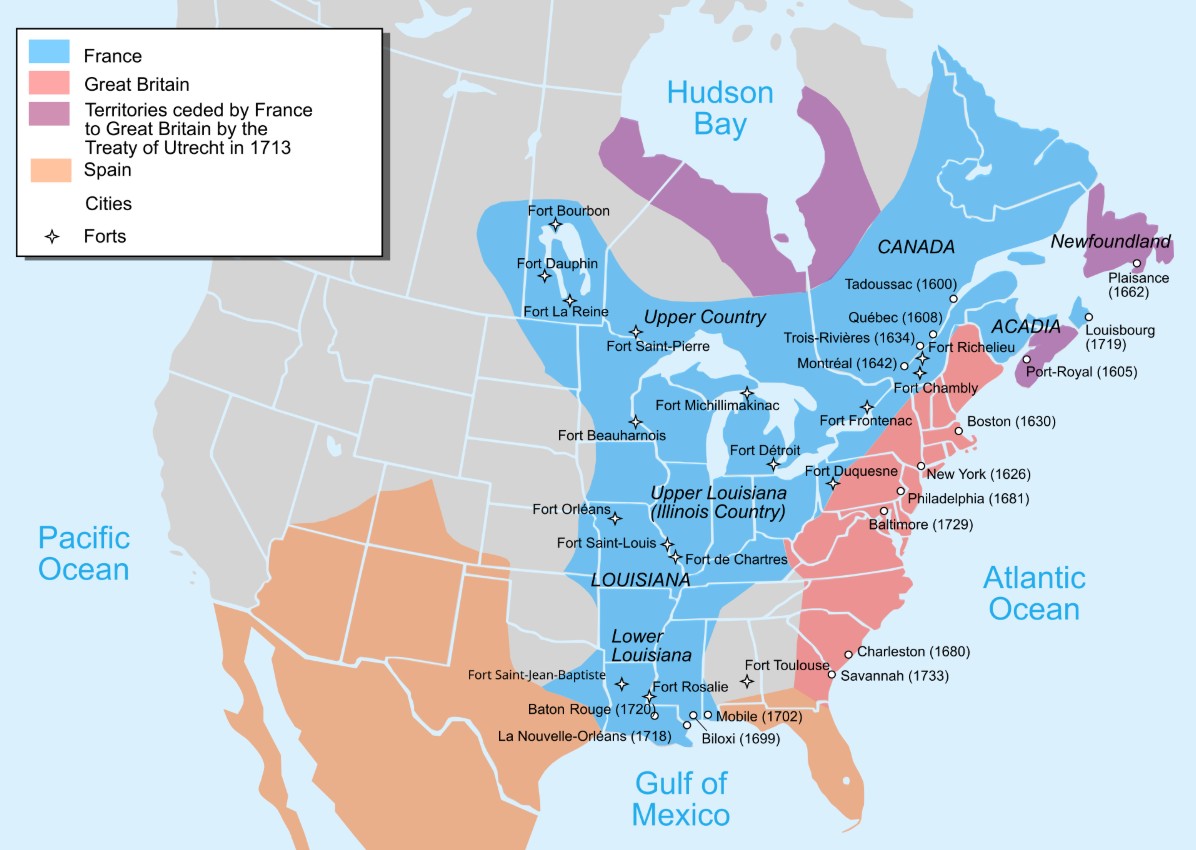
European colonial possessions in North America ca. 1750. In addition to the 13 colonies, large parts of what would become the United States were colonized by France and Spain — both Christian (specifically Catholic) countries. (Attribution: Pinpin. Licensed for use under the the Creative Commons Attribution-Share Alike 3.0 Unported, 2,5 Generic, Generic 2.0, and Generic 1.0 licenses and the terms of the GNU Free Documentation License) (Episode 302: The Colonies)
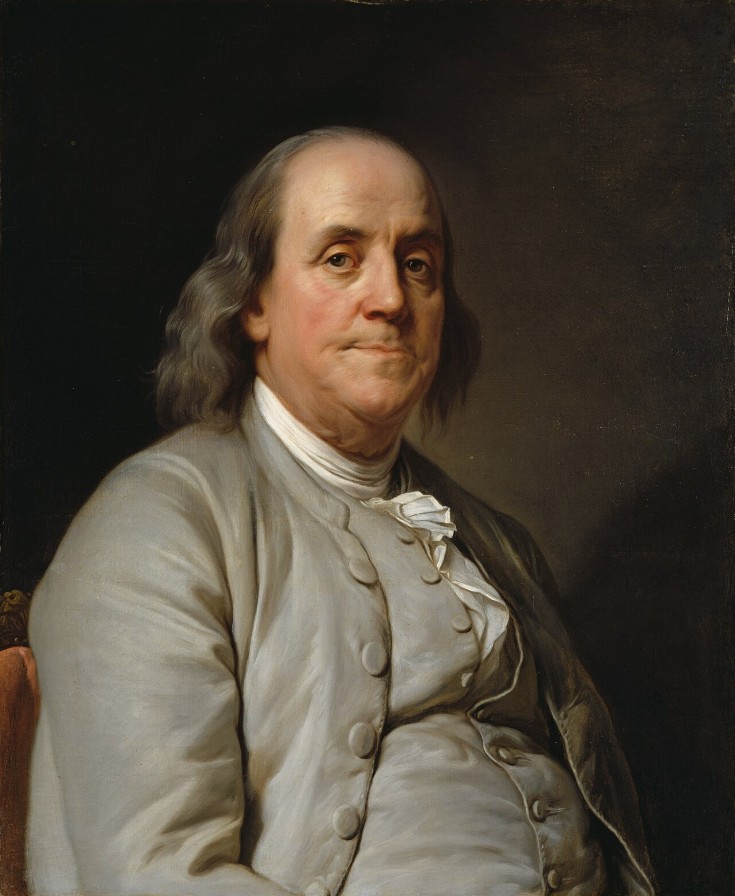
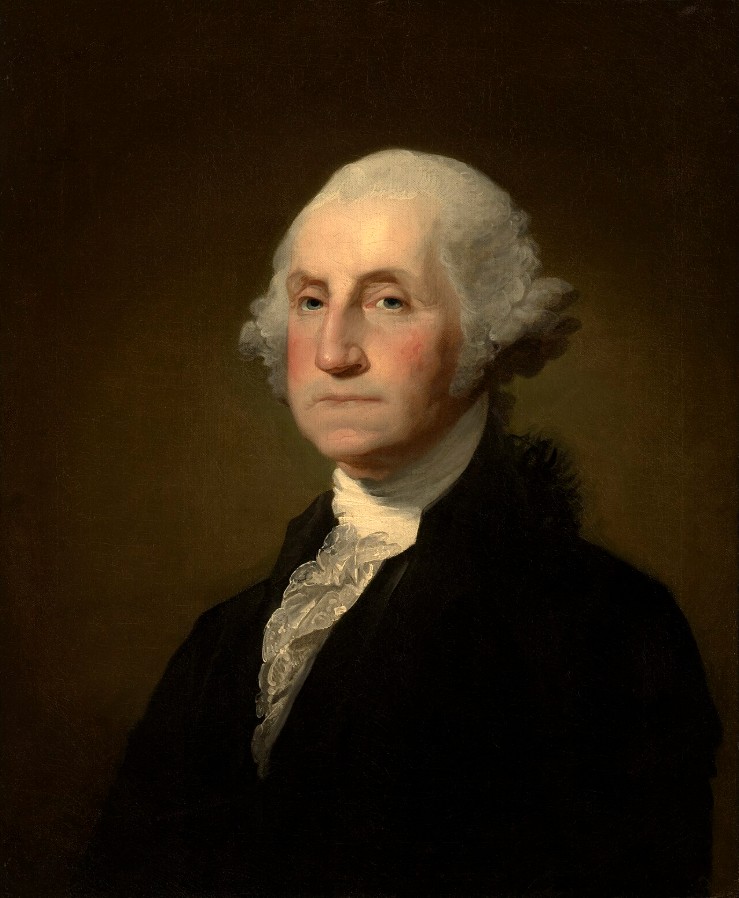
George Washington (1732–1799) was a member of the Church of England (later the Episcopal Church), as was required of anyone holding a public position in Virginia, but left behind no clear statements of his own religious views. In Washington's time, deism — which held that an deity created the universe but did not intervene in natural events or man's affairs and rejected notions of a personal God, miracles, spiritual revelation, and the divinity of Christ — was a popular belief system that apparently influenced him, but he also invoked notions of "Divine Providence" shepherding the Continental Army during the Revolutionary War and the United States in its early years. Scholars have proposed that he probably was a "Christian rationalist" or "Christian deist," believing in a Christian God that did intervene in man's affairs but without performing miracles. Washington stressed civic tranquility in his statements and writings, and believed that tranquility required civic virtues that religion fostered — and that civic tranquility required freedom of conscience and freedom of worship for all people. (Episode 303: "The Founders, Part One")
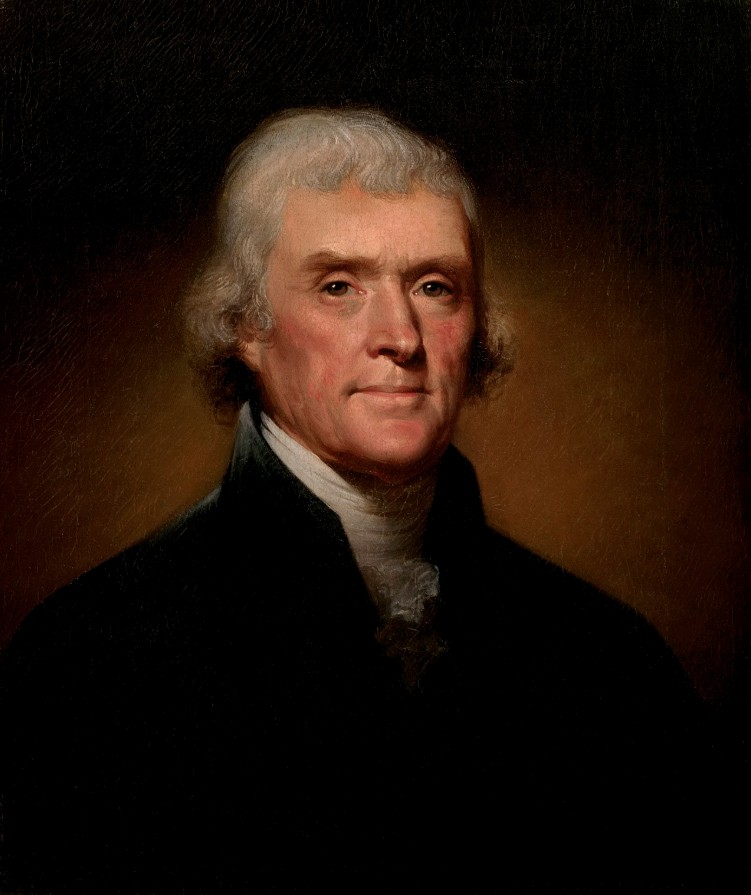
Thomas Jefferson (1743–1826) subscribed to a rationalist, Enlightenment-era approach to religion. He rejected miracles, the Trinity, and the divinity of Jesus, but he deeply revered Jesus's moral teachings and compiled his own, heavily edited version of the Gospels known as the Jefferson Bible. He believed in "natural rights," i.e., that indvidual rights, including freedom of conscience, were granted by "nature and nature's God" rather than by governments, and he advocating a "wall of separation between Church & State" to protect both civil liberty and religious purity. (Episode 303: "The Founders, Part One")
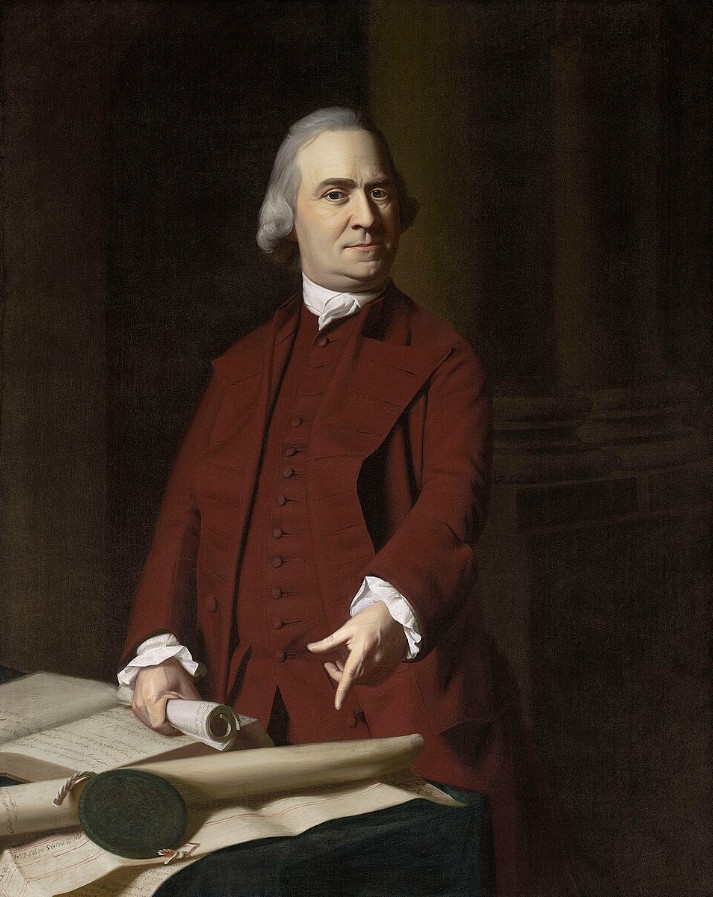
Samuel Adams (1722–1803) was a devoutly religious Christian who saw faith as the moral foundation of a republic. He believed that the rights of the colonists in America were not granted by a king but rather were "the gift of God Almighty". Although he believed the success of a republic relied heavily on the personal morality, piety, and virtue of its citizens and frequently argued that governments should promote Christian morality, he advocated "equal and impartial liberty" in religious matters, heavily informed by natural reason and the teachings of John Locke, arguing that every individual had the right to "peaceably and quietly worship God according to the dictates of his conscience." Initially skeptical of the United States Constitution, which he thought consolidated too much power in a distant national government and threatened state sovereignty and the rights of individual Americans, but embraced it once the Bill of Rights was added. (Episode 303: "The Founders, Part One")
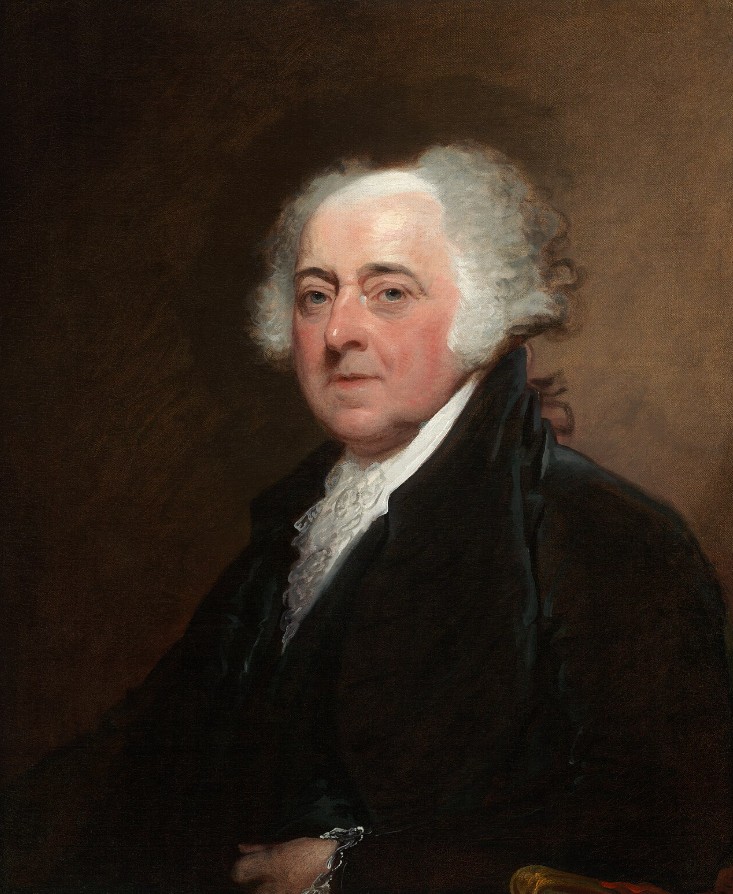
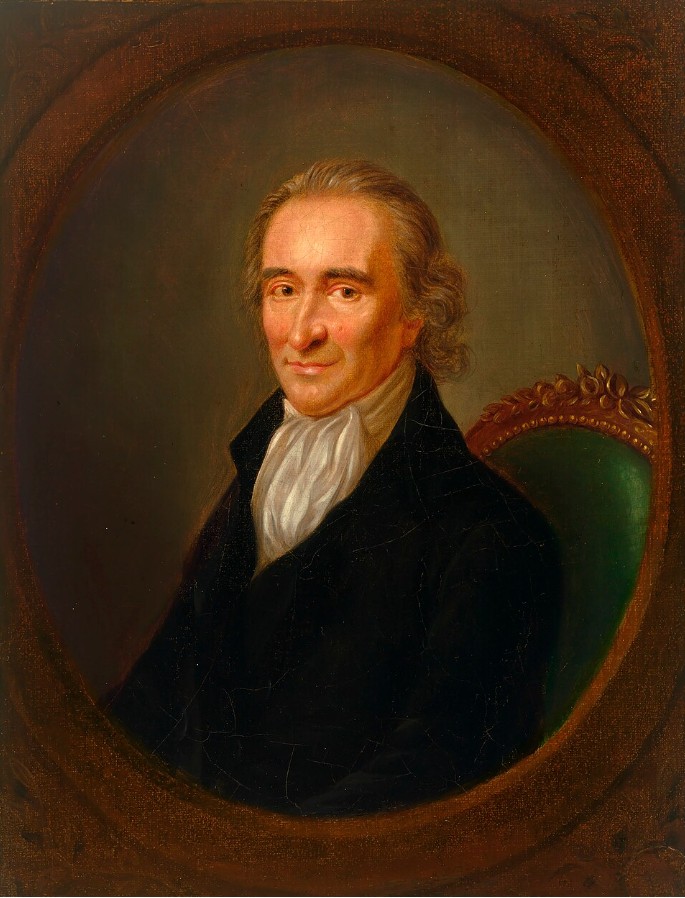
Thomas Paine (1737–1809) was a prominent advocate of Deism. He believed in a Creator and natural morality, but entirely rejected the divine authority of the Bible, miracles, and the divinity of Jesus Christ. He viewed organized religion with deep skepticism and fiercely criticized institutional religion, viewing "priestcraft" and state-sponsored churches as corrupt tools used by monarchies to oppress the people and control power. He argued that government's only religious duty is to protect all conscientious believers and advocated that true religion required no legal establishment. (Episode 304: "The Founders, Part 2")
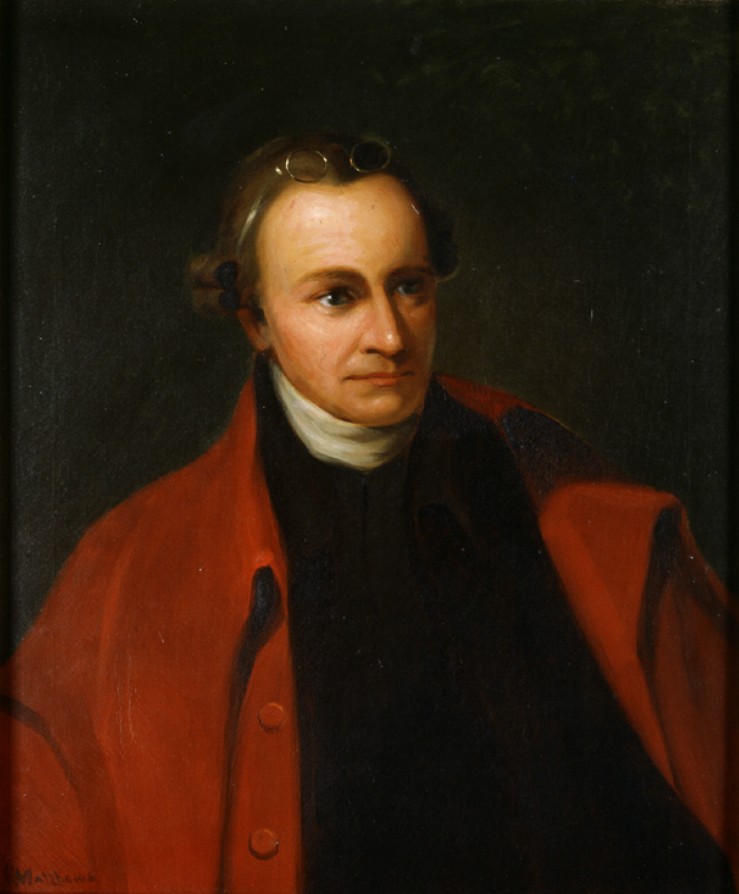
Patrick Henry (1736–1799) viewed religion as essential to the health of a free society and vehemently opposed the United States Constitution, fearing it created an overly powerful central government that threatened state sovereignty and individual liberties. While he readily accepted the disestablishment of the Anglican/Episcopal church as the official church of Virginia, he strongly believed the government should support Christianity and proposed a bill in the Virginia legislature to levy a "General Assessment" — i.e., taxes — that would fund Christian churches, allowing taxpayers to designate which Protestant denomination received their money. However, Thomas Jefferson and James Madison opposed this, advocating a strict separation of church and state, and the 1786 Virginia Statute for Religious Freedom ultimately reflected Jefferson's and Madison's views. (Episode 304: "The Founders, Part 2")
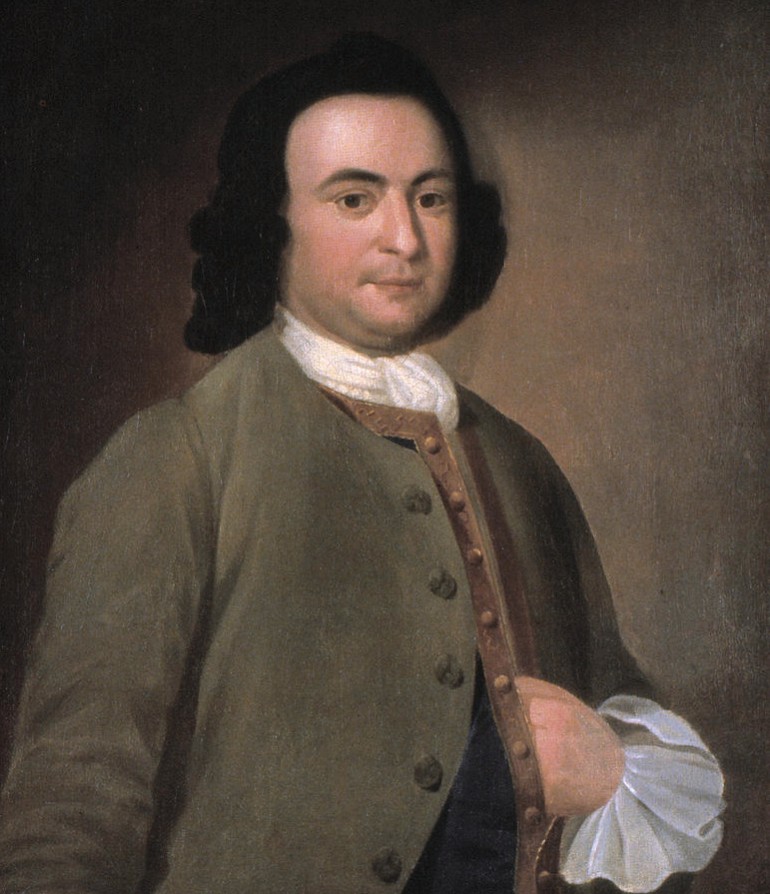
George Mason (1725–1792) authored the Fairfax Resolves in 1774 and later the Virginia Declaration of Rights, which Virginia adopted in 1776. Thomas Jefferson drew heavily upon the Virginia Declaration of Rights in authoring the Declaration of Independence in 1776, and the sixteen articles of the Virginia Declaration of Rights greatly influenced James Madison as Madison drafted the Bill of Rights in 1789. Article XVI of the Virginia Declaration of Rights established freedom of religion in Virginia — the first time in history any government had been expressly forbidden from disfavoring any religious belief system — and was a precursor to the First Amendment of the United States Constitution. Article XVI also influenced Thomas Jefferson as Jefferson drafted the Virginia Statute for Religious Freedom, passed in 1786, which also served as a precursor to the First Amendment. Today, Mason's contributions to what eventually became the Bill of Rights are largely forgotten and he is unfairly remembered mostly for his refusal to sign the United States Constitution in 1789. But his refusal stemmed from its failure to include the Bill of Rights, a failure which he believed would give the U.S. Government too much power over both individual citizens and the states. Mason's work influenced the constitutions and bills of rights of other U.S. states, the French Declaration of the Rights of Man and of the Citizen in 1789, and the United Nations Charter in 1945. (Episode 304: "The Founders, Part 2")
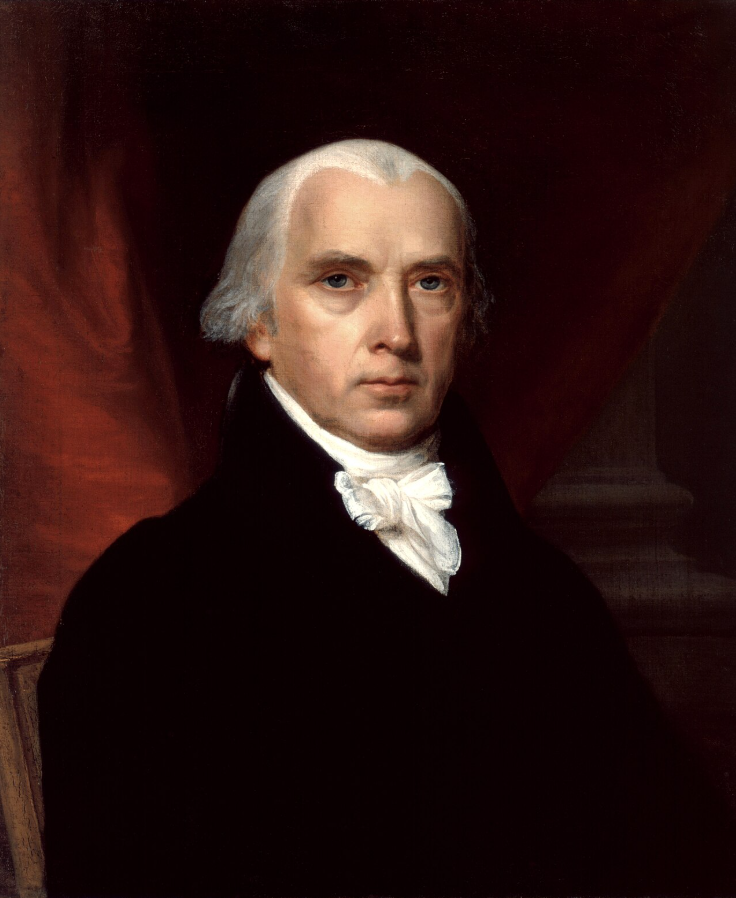
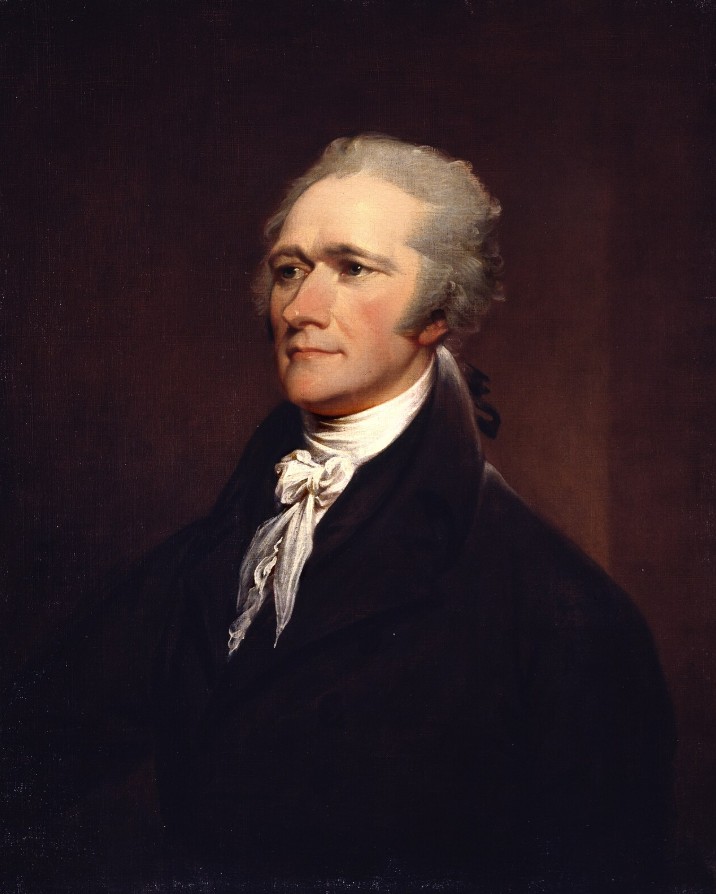
Recent credible scholarship strongly suggests that as a boy Alexander Hamilton (1755 or 1757–1804) was raised as a Jew, or at least had a significant Jewish influence on his childhood, and he had warm relations with American Jews and Jewish communities throughout his life, although he never publicly identified himself with Judaism. In his late teens, he appears to have undergone a religious experience that made him a devout Christian, and he claimed to be a member of the Church of England (also known as the Anglican – and later as the Episcopal – Church). Although not a regular churchgoer, he spent his adult life associated to various degrees with the Presbyterian and Anglican/Episcopal churches. In the middle of his life he went through a period in which he distanced himself from religion before again becoming devout later in life, when he began to advocate the direct participation in American politics of a Christian religious society that he proposed for that purpose. (Episode 304: "The Founders, Part 2")
For Part Two of the gallery, which supports Episodes 305 and 306, click here.
YouTube video: "The United States is Not a Christian Nation"